


























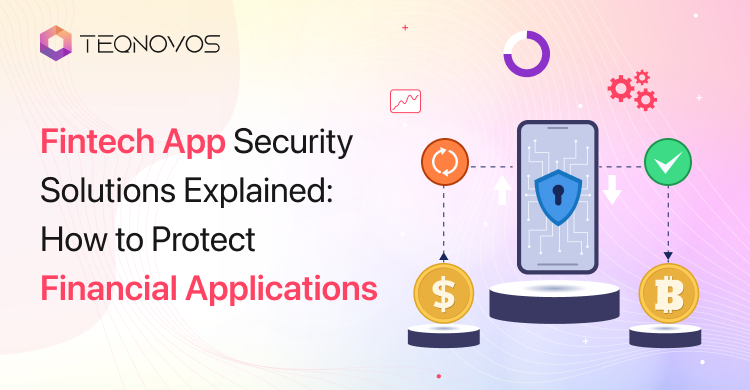
Fintech App Security Solutions Explained: How to Protect Financial Applications
Money has moved online from standing in bank queues to completing transactions in seconds. Financial technology apps are sitting at the center of modern finance. Users rely on them for various banking functions, such as lending and investments. This growth has created new business value but has also increased the risk of fraud and data theft.
Security shapes how users judge a financial app. Slow features can annoy users. On the other hand, security failures could break their trust in the platform. IBM reported that the global average cost of a data breach reached USD 4.4 million in 2025. The Federal Trade Commission also reported more than USD 12.5 billion in fraud losses in 2024.
This is why businesses need fintech app security solutions before and after the launch. Security measures need to be integrated at the start of the development.
Strong fintech cybersecurity solutions help protect users and reduce business risk. They also support safer growth as the app gains more users. This guide explains how financial applications can stay secure through better planning and regular testing.
Why Fintech App Security Matters for Modern Financial Products
Security has become a business need for every financial product. Users share all their personal information inside the fintech apps, such as their transaction history and card details. They expect the app to protect every action. A weak security layer can make users leave before the product grows.
Fintech app security services help businesses reduce this risk early. They support safer product planning and stronger data handling. They also help teams fix weak points before attackers can use them.
Trust is the first reason security matters. A fintech app deals with money. Users will not keep using it if they feel unsafe. Strong security builds confidence at every step. It protects the user’s financial data, such as logins and payment information, from threats.
Data risk is another major concern. Financial apps collect sensitive information. This data needs secure storage and controlled access. It also needs a safe transfer between the app server and connected systems.
Transaction risk can affect users and businesses. A small gap in payment flow can lead to fraud chargebacks and account misuse. This is why mobile banking app security should be part of the main product strategy.
Brand risk is just as serious. One security failure can damage a reputation for years. It can also increase legal pressure and customer support costs. A secure fintech product helps protect user trust and long-term growth.
Build a secure app with fintech app security solutions —protect users and prevent fraud today.
Schedule a CallCommon Security Risks in Fintech Applications
Fintech apps face many security risks because they handle personal data and live transactions. A weak point in one area can affect the full user journey. Businesses should review these risks before development and keep checking them after launch.
1. Account Takeover
Account takeover happens when an attacker gets access to a real user account. Weak passwords with poor login checks and missing device checks can make this easier. Once inside the account, the attacker can change details, make payments, or even steal personal data.
2. Weak API Security
An application programming interface allows apps and servers to share their data. A weak API can expose this shared private account data. It can allow the wrong user to access this restricted data, leading to a data breach.
3. Payment Fraud
Fraud can happen through stolen cards or fake accounts. This is why payment app security needs smart checks during each transaction. The platform should flag any unusual payment activity in the account. A secure app should review user behavior and risk signals before approving sensitive actions.
4. Malware and Device Risk
Malicious software can steal user login details to track their activity and change the app’s behavior. This risk increases when users install unsafe apps or access financial apps through infected devices.
5. Data Leaks
Data leaks can happen through weak storage or poor encryption with exposed databases. Financial apps collect personal user details, such as their bank records and card data. This data needs strong protection during storage and access.
6. Poor Access Control
Access control decides who can view, edit, approve, or export data. Poor access control can expose customer records or internal workflows. Each role should have clear limits across customers and support teams.
7. Unsafe Tools
Fintech apps often connect with various third party tools, such as payment gateways and analytics tools. A weak tool can create hidden security gaps. Strong fintech cybersecurity solutions help businesses review these tools before they affect the product.
Core Fintech App Security Solutions Every Business Should Consider
Fintech app security solutions work best when they protect every layer of the product. A finance app should not depend on one security feature. It needs safe access and regular checks across the full system.
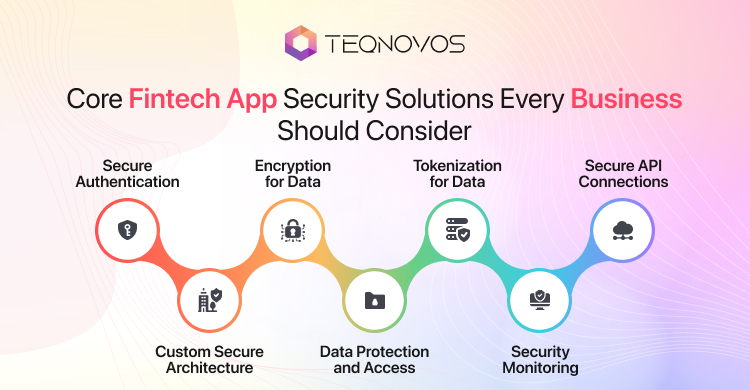
1. Secure Authentication
Authentication confirms that the right user can access the app. A fintech product should support strong passwords and multi-factor authentication. This means users must verify access with more than one method. This lowers the risk of stolen account access.
- Add biometric login for faster access
- Use multi factor authentication for sensitive actions
- Set strong password rules for every user
- Block suspicious login attempts in real time
2. Encryption for Sensitive Data
Encryption turns readable data into protected code. It helps secure personal details, card data bank records, and transaction history. A fintech app should protect data during storage and transfer. It should also use secure communication between the app server and connected tools.
- Protect stored customer data
- Secure data moving between systems
- Use trusted encryption methods
- Limit access to sensitive records
3. Tokenization for Payment Data
Tokenization replaces sensitive payment details with a safe token. The real card or account data stays protected. This helps reduce exposure during payments and repeated transactions. It also adds a stronger layer to payment workflows.
- Replace card details with safe tokens
- Reduce exposure during repeat payments
- Protect payment data during refunds
- Support safer transaction processing
4. Secure API Connections
API helps the app connect with banks for payment gateways. It connects the system with various identity tools and other tools. Each API should check the user role session and request source. This prevents data misuse and blocks unsafe access.
- Verify every API request
- Control access between connected systems
- Monitor unusual data requests
- Secure payment and banking connections
5. Custom Secure Architecture
Custom secure architecture helps businesses design protection around the real product model. A lending app may need different controls than a wallet app. Whereas a trading app may need stronger transaction checks. Security should match the user flow data type and business risk.
- Build security around product workflows
- Match controls with user actions
- Protect high risk transactions
- Plan secure growth before launch
6. Data Protection and Access
Data protection should cover the complete storage and deletion of data. Access control decides who can view, edit, approve, or export information. Each role should only access what it needs. This reduces internal risk and keeps sensitive records safer.
- Set clear access limits
- Control admin and support permissions
- Protect backups and stored records
- Review user roles on schedule
7. Security Monitoring
A fintech app should keep checking activity after launch. Monitoring can help check and detect unusual logins for the account. It also keeps track of any risky payments and failed access attempts. This helps teams respond faster before a small issue becomes a larger security problem.
- Track unusual login activity
- Flag risky payment behavior
- Review failed access attempts
- Respond faster to security alerts
Mobile Banking App Security and Payment App Security Best Practices
Professional mobile app development services allow users to access the app on various devices. These apps also handle account data and personal records. Strong mobile banking app security helps businesses protect users during login and account checks. Robust payment app security also reduces fraud risk during checkout and saved card use.
1. Device Checks
Device checks help the app understand if the user’s device is safe. A fintech app can review security checks, such as the type of device and operating system. It risks the signals before allowing sensitive actions. This helps block access through jailbroken devices or unsafe app versions.
- Check the device before logging in
- Block access on unsafe devices
- Require app updates for old versions
- Review device risk before payments
2. Biometric Login
Biometric login uses a fingerprint, face scan, or similar user check. It gives users a faster way to access the app. It also adds another layer of protection beyond passwords. The app should still use secure fallback options when biometric access fails.
- Add fingerprint or face login
- Use biometric checks for transfers
- Keep secure backup login options
- Confirm user identity before major actions
3. Session Control
Session control decides how long a user stays logged in. It also controls what happens when the app stays inactive. A secure fintech app should end inactive sessions and ask users to verify again before sensitive steps.
- End sessions after inactivity
- Ask for login again during risky actions
- Prevent access after device change
- Stop session reuse across devices
4. Transaction Alerts
Transaction alerts help users notice unusual activities on the app faster. The app can send alerts and notifications for transferring payments and any account updates. This gives users a chance to report fraud before more damage happens.
- Send alerts for every major transaction
- Notify users about account changes
- Flag unusual payment activity
- Allow quick fraud reporting
5. Runtime Protection
Runtime protection keeps checking the app while it is active. It can detect the tampering screen and overlay attempts in it. The platform flags any unsafe networks and suspicious behavior. This helps protect the app even after users install it.
- Detect app tampering during use
- Block screen overlay attacks
- Warn users about unsafe networks
- Track risky activity while the app runs
Security should not stop after launch. Mobile apps need regular updates and monitoring. Businesses should review user behavior and device risks as the app grows. This keeps financial products safer and helps users trust each transaction.
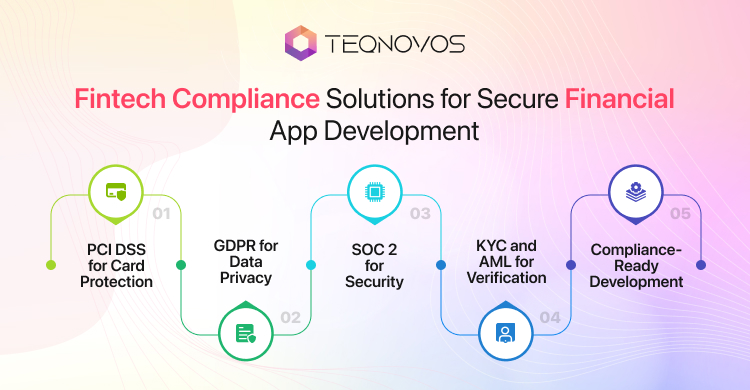
Fintech Compliance Solutions for Secure Financial App Development
Financial apps handle user-sensitive data, including payments and transaction activity. These details must stay protected throughout the full product journey. A secure app should follow the right rules before launch. It should also stay ready for audits after launch.
Why Compliance Matters in Fintech Development
AI Fintech solutions help businesses build safer systems with clear controls. It helps users with secure data handling and access tracking. They also reduce the risk of penalties and trust issues. A fintech app that ignores compliance may face problems during product approval or market expansion.
1. PCI DSS for Card Data Protection
PCI DSS applies when an app stores or transmits card data. A fintech product protects card details through secure storage and safe payment flows. This reduces exposure during checkout and saved card usage.
2. GDPR for Data Privacy
GDPR focuses on personal data rights and privacy for users in the European Union. A fintech app collects only the data it needs. It should also explain how user data is stored and shared. Strong privacy planning helps users trust the platform.
3. SOC 2 for Security Readiness
SOC 2 helps show that a company follows strong controls for security and privacy. Fintech businesses often need this when they serve banks or partners. Clean logs and controlled access can support SOC 2 readiness.
4. KYC and AML for User Verification
KYC helps verify user identity before financial activity starts. On the other hand, AML assists in detecting and preventing illegal money movement. These checks are important for various banking products such as lending platforms and trading apps.
5. Compliance-Ready Development
Compliance-ready development helps teams build these requirements into the product instead of adding them later. This approach saves time and reduces costly rework. It also helps developers create safer workflows for onboarding and user data management.
Strong fintech compliance solutions do more than meet rules. They improve product quality and business trust. They help financial apps launch with stronger security and better readiness.
AI-Based Fraud Prevention in Fintech Security
AI helps fintech apps detect risk faster. It reviews user actions and behavior patterns. This helps the system find activity that may not look normal. AI-based fraud prevention supports safer decisions before fraud causes damage.
1. Behavior Analytics
Behavior analytics means studying how users act inside an app. A fintech app can review login time and payment habits. If a user suddenly acts in a very different way, the system can flag the activity for review.
- Review user login behavior
- Track device and location patterns
- Identify unusual account activity
- Flag risky user actions early
2. Anomaly Detection
Anomaly detection helps the app find actions that do not match normal user behavior. This can include a sudden large transfer, a login from a new device, or repeated failed payment attempts.
- Detect sudden payment changes
- Find repeated failed login attempts
- Flag activity from new devices
- Spot unusual transfer behavior
3. Transaction Scoring
Transaction scoring gives each transaction a risk level. A low risk payment can move ahead smoothly, whereas a high risk payment may need extra verification. This helps businesses protect users without slowing down every transaction.
- Score transactions by risk level
- Allow safe payments to move faster
- Add checks for high risk payments
- Reduce friction for trusted users
4. Risk Alerts
Risk alerts help support teams act faster. The app can send alerts when it finds suspicious payment account changes or login attempts. These alerts help teams review the issue before it becomes a larger threat.
- Alert teams about suspicious payments
- Notify users about account changes
- Support faster fraud review
- Reduce delay in threat response
5. Fraud Pattern Detection
Fraud pattern detection helps the system learn from repeated threats. It can identify fake accounts, stolen payment behavior, and unusual transaction routes. This makes fintech cybersecurity solutions stronger over time.
- Identify fake account patterns
- Detect stolen payment behavior
- Review repeated fraud attempts
- Improve risk rules over time
AI-based fraud prevention does not replace human review. It supports better decisions with faster data checks. It also helps fintech businesses reduce losses and build trust across financial products.
Start building with fintech app security solutions —protect transactions and reduce fraud risks today.
Schedule a CallContinuous Security Testing for Fintech Applications
A fintech app changes with every update and system connection. Each change can create a new risk. Continuous security testing helps teams find these risks before they affect users or transactions.
1. Code Review
Code review helps developers find weak logic and unsafe functions to handle data issues. A fintech app should review code before it moves into production. This step helps reduce errors that can expose user data or payment activity.
2. Penetration Testing
Penetration testing means testing the app like an attacker. Security experts check application flows such as login and payment. This helps the business find weak areas before real attackers can use them.
3. Vulnerability Scans
A vulnerability scan checks the app server database and software tools for known security issues. It can detect outdated libraries and exposed services. These scans should run often because new threats appear after launch.
4. API Testing
It connects the fintech app with banks’ payment gateways and other systems. API testing checks access control and error handling. Continuous security testing helps prevent private data exposure.
5. Release Checks
Every app update should pass security checks before release. A small feature change can affect login payments or account settings. Release checks help confirm that the app works safely after each update.
Fintech app security services should include testing before launch and after launch. This keeps the product safer as user activity grows. It supports safer releases and better user trust.
Conclusion
Security has become a core part of every successful financial product. Users want fast access and smooth payments. They also want strong protection for their data and identity. A fintech app can only earn trust when security supports every stage of the user journey.
Fintech app security solutions help businesses reduce risk before problems grow. They protect users’ personal information and records. They also support safer compliance planning and stronger product growth.
A secure app needs more than one feature. It needs clear architecture and regular testing. These layers help businesses protect users and stay ready for future threats.
Fintech app security services can help companies build this protection into the product from the start. Teqnovos supports fintech developers that help businesses with secure fintech development that focuses on safety and growth. This helps financial applications launch with confidence and scale with fewer risks