
















Role of Education Software Development Services in Transforming Learning
and track progress. Educational businesses also use digital tools to improve student support and daily operations.
The rise of artificial intelligence has pushed this change further. Artificial intelligence (AI) can support learning when schools use it for a clear educational purpose. It can help with feedback, content support, and student guidance. However, technology alone cannot improve learning.
This shift has increased the demand for education software development services. These services help educational businesses create digital products around specific learning goals. They can support online classes, assessments, student records, and communication.
Many organizations also choose custom education software when standard platforms cannot support their requirements. A custom platform gives an organization more control over features, integrations, and learning workflows.
This blog explains how modern education software changes learning. It also looks at how professional development supports better learning experiences.
What Is Education Software?
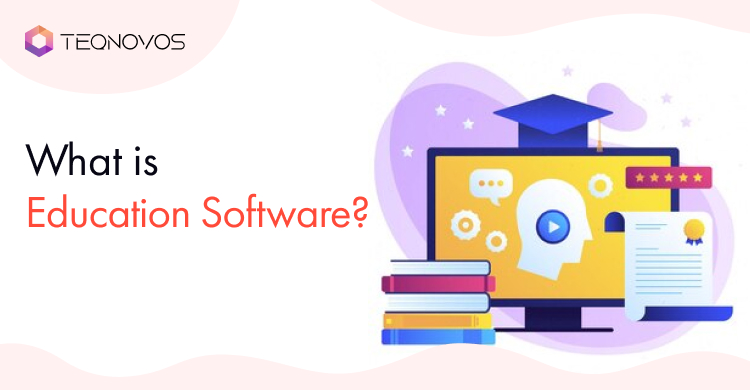
Education software is a digital system created for teaching, learning, or education management. It can support students and teachers. It can also help administrators manage everyday tasks. Some platforms focus mainly on learning, while others support operations. Education software solutions for students may provide study material, assessments, and recorded lessons. They may also provide feedback and progress information.
The exact purpose depends on the institution. This is why custom educational software development can offer more value in some cases. Developers can build the software around the real requirements of the organization. A custom system can also connect different learning processes in one place. This can make everyday work easier for students and educators.
The Importance of Professional EdTech App Development Services
Building an education app requires more than basic development skills. The product needs a clear purpose. It also needs reliable performance, accessible design, and strong data protection.
Experienced EdTech app developers can understand these requirements before development starts. They can plan features around the needs of learners and educators.
Professional education app development services can also help institutions connect new software with existing systems. Modern educational environments often use several platforms. These systems need to exchange information without creating unnecessary manual work.
EdTech app development also involves careful technology selection. Development teams need to decide which features actually support learning.
This point matters even more with AI in education. Adding AI does not automatically make an app better. AI tools need clear learning goals and suitable controls. They also need human oversight when the system gives important guidance to students.
Professional education software development services can help organizations plan these systems with future growth in mind. The development team can also support updates, integrations, and security improvements after launch.
How Education Software Development Services Transform Learning?
Traditional classrooms still play an important role in education. Digital tools can extend learning beyond the classroom. They can also give educators more ways to support students. Modern education software solutions can improve access, personalization, and interaction. They can also help institutions manage information more effectively.
1. Better Accessibility
Digital learning gives students more ways to access educational content. Learners can study through mobile apps or web platforms without attending a physical classroom for every lesson. This can support students who live far from an institution. It can also help learners who need more flexible study options.
Education software solutions for students can provide access to lessons and activities outside regular classroom hours. Students can review material when they need more time with a topic. Accessibility also involves product design. A digital platform does not become accessible simply because it works online.
Professional education app development can consider users with visual, hearing, or motor disabilities. Developers can support readable layouts, keyboard navigation, and captions. They can also design the system to work with assistive technology.
Digital accessibility has also become an important compliance issue. Public education organizations in the United States may need to meet current accessibility requirements for websites and mobile apps. A well planned product considers accessibility during design and development. This approach works better than treating accessibility as a later update.
2. Personalized Learning Experience
Students do not always learn at the same speed. Some learners understand a topic quickly, while others need more practice. Education software can give learners greater control over this process. Students can review lessons and repeat activities when necessary.
Modern education software solutions can also use learner progress to recommend suitable content. This approach supports adaptive AI tutoring where the system adjusts content and difficulty based on learner performance. This creates a more personalized learning path for each student.
AI in education can support this process. AI tools can provide feedback and suggest relevant learning material. They can also help students understand difficult concepts. However, AI guidance can sometimes be incorrect. It can also provide information that does not match the learning level of the student.
This is why EdTech app developers need to create clear controls around automated features. Teachers still need visibility into important learning decisions. Professional education software development services can combine personalization with learning analytics. Learning analytics means using learning data to understand student progress and learning patterns. This information can help educators identify areas where students need more support.
3. Interactive Education
Students often learn better when they can actively participate in the learning process. Digital tools can make this easier. Interactive learning can include quizzes, simulations, and practice activities. It can also include immediate feedback after a student completes a task.
Good EdTech app development connects each feature with a clear learning purpose. A video alone does not guarantee better understanding. An interactive activity can help students apply what they have learned. Custom platforms can also support learning activities based on the subject. A language platform may focus on speaking practice. A science platform may use virtual experiments.
This flexibility is one advantage of custom education software. The product can support the actual teaching method instead of forcing every subject into the same format. Experienced EdTech app developers can also test how students interact with these features. This can help the team improve the learning experience over time.
4. Structured Collaboration and Connected Systems
Educators often manage lessons, assignments, and student records across several systems. Poor connections between these systems can create extra work. Connected software can reduce this problem. A learning platform can exchange information with a student management system through supported integrations.
Education platforms can also use standards such as LTI and OneRoster. These standards help different education systems work together. This makes interoperability an important part of custom educational software development. Interoperability means that different systems can exchange information and use it correctly.
Professional education app development services can help institutions plan these connections before development starts. This reduces the need for repeated manual data entry. A custom platform can also provide dashboards for different users. Students can see their learning activities, teachers can review progress, and administrators can manage relevant records. This creates a more organized digital learning environment.
5. Better Cost Control and Operational Efficiency
Education software can reduce some operational costs. Digital systems can reduce paperwork and support remote learning. They can also automate selected administrative tasks. However, digital education still has costs. Institutions may need cloud hosting, maintenance, and technical support. Security and integrations also require investment.
AI features may create additional costs as well. These costs can include model usage, monitoring, and ongoing testing. For this reason, education software solutions are not automatically cheaper than traditional processes.
Professional education software development services can help an organization evaluate these costs before development begins. A clear product scope can prevent unnecessary features. Custom education software can also focus investment on the processes that matter most. This can help an organization improve efficiency without building features that provide little value.
Turn Better Learning Ideas Into Powerful EdTech Software. Explore EdTech Software Solutions!
Schedule a CallWhat Modern Education Software Needs in 2026
Modern education software needs more than an attractive interface. It needs strong privacy, accessible design, and reliable integrations. It also needs responsible AI use when artificial intelligence forms part of the product.
Responsible Use of AI
AI in education can support tutoring, feedback, and content assistance. However, AI needs a clear role in the learning process. Education teams need to decide what the AI system can do. They also need to decide when a teacher needs to review their output.
AI guardrails can support this process. AI guardrails are controls that help restrict unsafe or unsuitable system behavior. These controls can reduce the risk of inappropriate responses. They can also help protect sensitive student information.
Student Data Privacy
Education platforms often handle personal student information. This makes privacy an important part of education app development. Development teams need to control how the software collects and stores information. They also need to limit access to sensitive data.
Privacy requirements can vary based on the users and the location of the institution. Products designed for children may face additional requirements. Professional education app development services can include privacy planning during the early development stages. This is safer than adding privacy controls after the product is already live.
System Interoperability
A modern learning platform rarely works alone. It often needs to connect with other education systems. Custom educational software development can support these connections through APIs and recognized education standards. This can help institutions create a more connected technology environment.
Teqnovos also provides EdTech SaaS development services for organizations that need scalable cloud-based education products. Reliable integrations can reduce repeated work. They can also help educators access useful information without moving between several disconnected tools.
Accessible Product Design
Accessibility needs attention at every stage of development. Designers and developers need to consider how different users interact with the product. Professional EdTech app developers can build interfaces that support different accessibility needs. They can also test the product across devices and assistive tools.
Accessible design benefits more than just students with disabilities. Clear navigation and readable content can improve the experience for every user.
Create Education Software Built Around Real Learning Needs. Transform Learning With Smarter Technology!
Schedule a CallConclusion
Education software now supports much more than online classes. It can help institutions manage learning and understand student progress. It can also support personalized experiences and better access to education. The strongest products start with a clear educational purpose. Technology needs to support that purpose at every stage.
Professional EdTech app development can help education businesses turn learning requirements into practical software. Skilled EdTech app developers can also plan accessibility, privacy, and integrations during development.
Organizations with specific requirements may benefit from custom education software instead of relying on a fixed platform. Professional education app development services can shape the product around real workflows and long term goals.
Teqnovos provides education software development services for businesses and institutions that need secure and scalable digital learning products. The team supports product planning, development, and ongoing improvement.
Organizations planning a new education product can work with Teqnovos to create software that supports real learning needs and practical business goals.