



























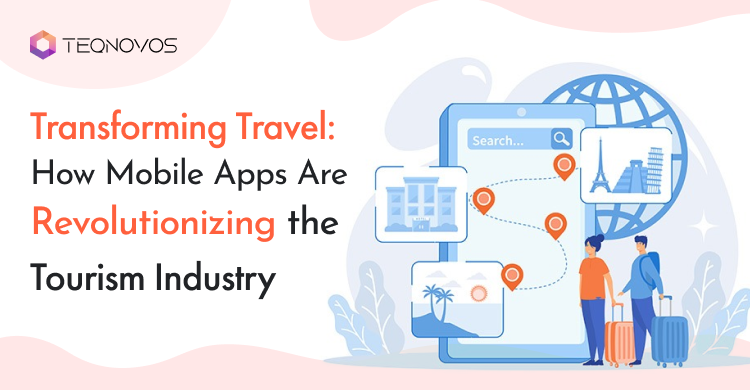
Transforming Travel: How Mobile Apps Are Revolutionizing the Tourism Industry
The tourism industry has changed as mobile technology has become part of everyday travel. Travelers now use apps to search for flights. They book hotels and arrange transport. They also manage payments and receive updates during a trip.
For travel companies, this shift has changed how digital services are planned. A travel mobile application development project can connect booking systems with maps and payment tools. It can also bring support and trip information into one place.
Artificial intelligence has added another layer to this change. Modern apps can understand natural language requests. They can suggest plans based on interests and current trip details. They can also support AI travel planning across several stages of a journey.
What Are Travel Apps?
Travel mobile apps are software products built for travel related tasks. They can support bookings and trip planning. They can also help with transport and navigation. Some apps focus on one task while others connect several parts of the journey in one platform.
The value of a travel mobile application depends on the service it supports. A hotel platform may focus on room search and reservations. A transport app may focus on routes and vehicle tracking. A mobile travel guide application may focus on local places and useful destination information.
Many travel businesses use custom systems when standard software cannot support their workflow. Businesses can hire travel app developers to create apps to connect booking data with customer accounts and payment systems. This type of work often forms part of wider travel app development.
A useful app is not defined by the number of features it has. The best mobile travel application for a business is the one that makes important travel tasks easier. It also keeps information clear and current.
Create Personalized Travel Experiences —Start Your Travel App Project Today!
Schedule a CallPopular Types of Travel Applications
Travel applications support different parts of the journey. Some focus on booking. Others help with local movement or trip planning. The right format depends on what travelers need before and during a trip.
1. Hotel and Flight Booking Applications
Hotel and flight booking apps make search and reservation tasks easier. Travelers can compare available options and review dates and prices. Filters can narrow results by budget, location, or travel preference.
Many booking apps also connect with payment systems. This lets travelers complete a reservation inside the same platform. Some apps also use account history and saved interests to create personalized travel experiences.
2. Car Rental and Taxi Booking Apps
Transportation booking apps help travelers arrange local movement in a new destination. Taxi platforms can provide estimated arrival times and vehicle location details. Car rental apps can show available vehicles, rental periods, and pickup options.
Real time tracking has made these services more useful during active trips. Travelers can see when a vehicle is arriving. They can also receive booking changes inside the app. Car rental app development can help with booking and fleet management.
3. Itinerary Planner Applications
Itinerary apps help travelers organize plans across several days. Traditional tools focused on schedules, weather details, and expense tracking. Newer products can do more.
AI travel planning can interpret a natural language request. A traveler can describe a preferred destination, budget, or type of activity. The app can then organize trip ideas and create a draft itinerary. It can also refine the plan after another request.
The strongest planning tools also connect with current travel data. This matters because an itinerary loses value when opening hours or availability are outdated.
4. Language Translation Apps
Language translation apps help travelers communicate in places where they do not speak the local language. Common features include text translation, voice translation, and language detection.
Some platforms bring translation into other travel tasks. A mobile travel guide application can translate local information while the traveler moves through a destination. This creates a more connected experience than using several separate tools.
5. Experience and Activity Booking Apps
Travel does not end with flights and hotels. Travelers also book tours, attractions, events, and local activities. Experience booking apps make these services easier to find and manage.
These apps can use location context to show relevant activities nearby. They can also connect reservations with an itinerary. This can support more personalized travel experiences across the full trip.
How Mobile Applications Are Transforming the Tourism Industry
Travel mobile apps have changed both planning and trip support. They give travelers direct access to information. They also help travel companies connect services that once sat in separate systems.
1. Connected Travel Planning
Travelers can now manage many routine tasks through digital platforms. A single app can support hotel search, transport booking, and itinerary management when the right systems are connected.
This does not remove the role of travel advisors. Complex travel still benefits from specialist support. Mobile apps mainly expand self service options for common planning and booking tasks.
Modern travel app development now focuses on connected journeys. The app needs reliable links with booking services and payment systems. Weak connections can make the experience feel fragmented.
2. AI Based Personalization
Artificial intelligence has changed personalization in travel apps. Earlier systems relied heavily on browsing history, saved preferences, and recommendation models. Those methods still matter.
Generative artificial intelligence can create new text or plans from a traveler request. It can also support AI focused user experience and product design by making interactions more responsive to user needs. This adds a conversational layer to travel apps. AI travel planning lets travelers describe what they want in ordinary language. The system can then suggest places and organize itinerary options. It can also adjust a plan when dates or interests change.
This can create stronger personalized travel experiences when the app has useful context. The system needs accurate information about availability, location, and business details. Artificial intelligence can still return outdated or incorrect information when the connected data is weak.
This assists in generative artificial intelligence development. Connect artificial intelligence models with business data and application workflows.
3. Cashless Payments Through Digital Wallets
Travel mobile apps have made digital payments easier during the booking journey. Travelers can pay for flights and transport through connected payment services. Digital wallets can also reduce the need to enter payment details for every transaction.
Security depends on the way the app handles authentication and payment data. Biometric authentication uses a face scan or fingerprint to confirm identity. Some payment services use this method as an extra account check.
The best mobile travel application keeps the payment journey simple. It also gives users clear information before a transaction is completed.
4. Translation and Context Aware Navigation
Travelers often need navigation and translation at the same time. Modern apps can combine mapping services with location information. This helps travelers understand what is nearby and how to reach it.
A mobile travel guide application can also provide destination details based on the current location. Some platforms now use conversational artificial intelligence to answer questions about places and routes. This makes navigation more useful than a basic static map.
5. Real Time Support During the Trip
Mobile apps remain useful after a booking is complete. They can provide real time travel updates about flights, reservations, and route changes. They can also notify travelers when a booking detail changes.
Reliable real time travel updates reduce the need to search across several websites during a disruption. They give travelers one place to check current trip information.
This type of support depends on connected data. A travel mobile application development project may need links with reservation systems and notification services. These connections make real time travel updates more useful.
What Makes a Modern Travel App Useful?
More features do not automatically create a better product. A useful app focuses on the tasks that matter most to its users. The best mobile travel application makes each part of the journey simple and reliable. Some important factors include:
- Clear booking flows: Travelers can search, select, and complete bookings without unnecessary steps. Mobile app prototyping can help teams test these user flows before development begins.
- Accurate information: Current prices, availability, and trip details help users make better decisions.
- Simple navigation: Clear menus and familiar controls make the app easier to use during a trip.
- Useful personalization: Preferences and past activity can support more relevant suggestions.
- Strong technical setup: Reliable mobile app development helps connect architecture and platform choices with app performance and future growth.
- Relevant development approach: Different products need different solutions. Real software case studies can show how technical requirements vary across development projects.
- Practical AI features: Artificial intelligence adds value when it solves a real planning or support need.
Current travel mobile application development also depends on strong data quality and reliable system connections. These factors affect itinerary accuracy and trip updates.
Build Smarter Travel Apps With AI —Talk to Our Travel App Experts Today!
Schedule a CallThe Future of Travel Mobile Apps
The next phase of travel apps is less about adding isolated features. It is more about connecting the journey.
Artificial intelligence is becoming more closely linked with live booking information and destination services. This can make planning more responsive. It can also reduce the gap between finding an option and acting on it.
Digital identity is another area gaining attention. AI identity verification can help digital platforms confirm users through identity documents, face matching, and other verification signals. Biometric verification can support faster identity checks where the required systems are available.
Travel apps are also becoming more useful during disruption. Better access to live transport and booking data can help travelers respond to changes without rebuilding a trip manually.
Businesses reviewing travel app development can also read this guide on building a custom travel mobile app to understand the planning process in more detail.
Wrapping Up
Travel mobile apps now support much more than simple reservations. They help travelers plan trips, manage transport, and navigate destinations. Artificial intelligence has also changed the way travel information is searched and organized.
The most useful products still depend on strong fundamentals. They need accurate data and reliable connections. A travel mobile application can bring these parts together when the product is planned around real travel needs.
Get in touch with Teqnovos to build your application. Connect with our experts to get started.