






















What Is Mobile App Prototyping, and Why Your App Needs It?
Revisions are a part of the app development process. But extensive modifications can turn into reworks that may cost more than planned. This is why mobile app development companies create app prototypes to save time and stay aligned with the app owner’s idea.
In this blog, we will explain what is an app prototype why mobile app prototyping services matter, and how a clear prototype can help your app idea move into development with better planning.
What Is Mobile App Prototyping?
Mobile app prototyping is a process in which your mobile app development company creates a prototype version of your app as a general idea. You can make changes according to your requirements and forward them to your development team. App prototyping is the first step in the development process. However, it has several benefits for the app owner and the development company.
A mobile app prototype gives you an early view of how the app will look after development. The prototype of an app does not work like the final product. But it does help you understand how it will function before you start writing code.
What Does Prototyping Involve in Mobile App Development?
Many business owners have this question on their mind “What does prototyping involve in mobile app development?” before they start building an app. The process usually includes requirement planning, user flow mapping, UI/UX design, clickable screens feedback, and revisions.
This stage helps teams understand the user journey before full development begins. Strong app prototype development gives every team member a clear direction before the project moves into the build phase.
Benefits of Mobile App Prototyping
Mobile app prototyping is a necessary process to move further in the development process. There are countless benefits of this stage, and we have shared three key advantages to help you build a better understanding of why you need it.
1. Identifies Product Improvements
It is impossible to improve your mobile app without creating a dynamic version of it. But once you have a prototype version of your app. You can make changes without additional cost. These changes help identify product improvement points and relevant design changes that you have in mind.
A clear mobile app prototype development also helps you find missing screens, weak user actions, and confusing steps. This gives your team time to improve the experience before development begins.
2. Saves Cost
The rule of thumb in mobile app development goes by 1:10:100. This rule dictates that the choice is between spending $1 on research and $10 on changes in design and spending $100 on changing the app later in the development stage. Making changes to an app prototype is cost effective because developers do not have to invest much time in your project.
They quickly deliver a potential version of your app through prototyping software. This is one reason businesses choose professional mobile app prototyping services before moving into full app development.
3. Client and Stakeholder Validation
If you are a third party organization with a contract to supervise app creation for your client, you might want to have the stakeholder on board with your ideas for their app. A mobile app prototype development is the best way to involve the stakeholders in sharing their thoughts because it requires zero technical knowledge to suggest changes during the app development phase.
Types of Mobile App Prototypes
Not every app needs the same type of prototype. Some apps need a simple layout. Others need a clickable version with detailed screens and user actions. The right type depends on the app idea project stage and user journey.
Low Fidelity Prototype
A low fidelity prototype shows the basic structure of the app. It focuses on screen layout and user flow. This type works well when the idea is still new and needs early direction.
Medium Fidelity Prototype
A medium fidelity prototype adds more detail to the layout. It shows clearer screen placement, navigation, and main actions. This type helps teams refine the app idea before adding final design elements.
High Fidelity Prototype
A high fidelity prototype looks close to the final app design. It includes branding colors, icons, buttons, and interactive screens. This type helps stakeholders review the experience before development starts.
Interactive Prototype
An interactive prototype allows users to tap buttons and move between screens. They can easily test important functions. It is useful for apps with booking flows and payment steps.
Mobile App Prototyping Process
The mobile app prototyping process follows a clear structure. It helps the team move from a raw idea to a usable product model.
Requirement Discovery
The process starts with understanding the app idea and the business goal. Target users and required features are also considered in this stage. This step helps define what the app should solve and how users will interact with it.
User Flow Mapping
User flow mapping shows how users will move inside the app. It includes entry points, action screens, and final outcomes. This helps remove unnecessary steps before design begins.
Wireframe Creation
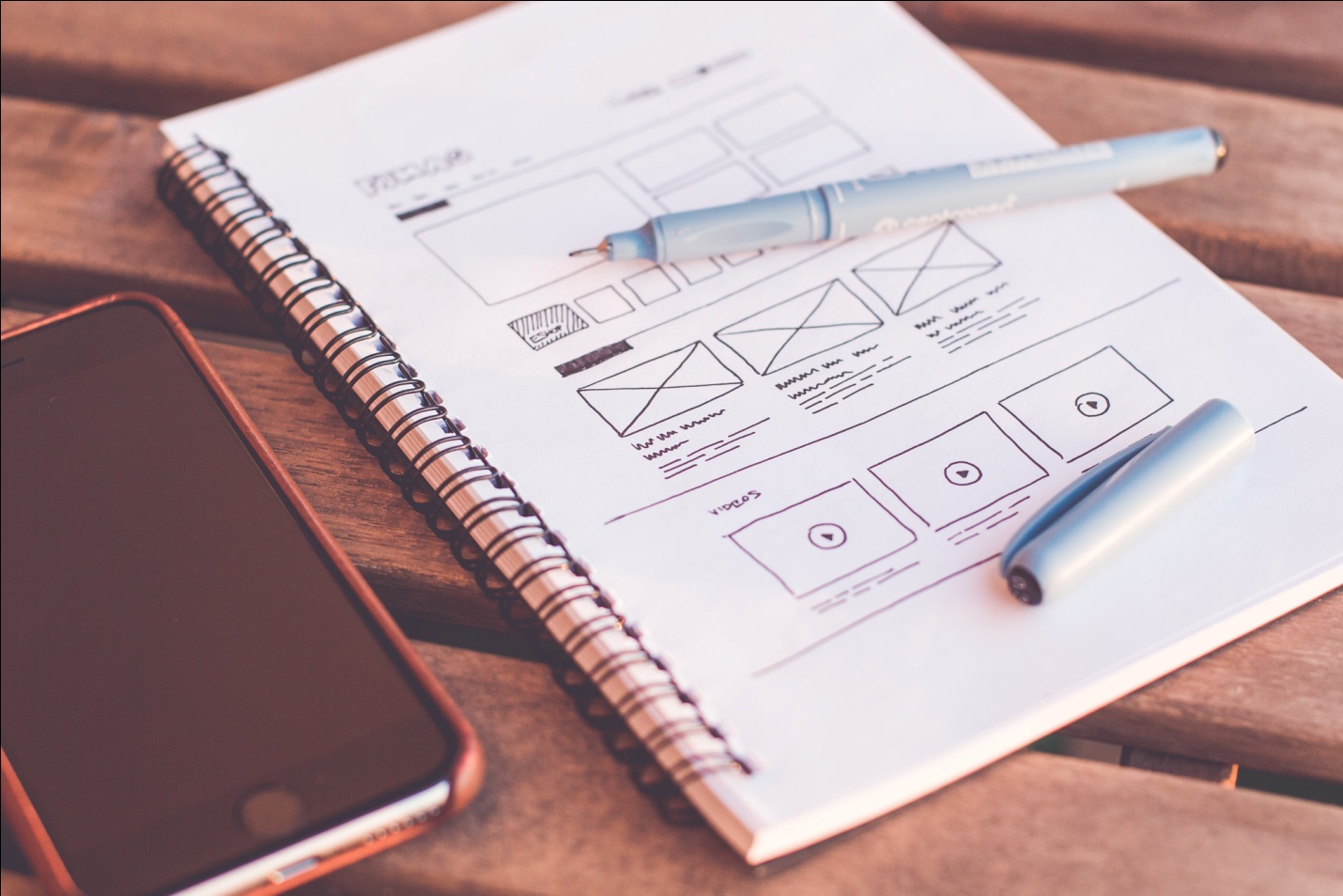
A wireframe shows the basic screen layout. It focuses on structure instead of final design. Wireframes help app owners review screen logic before detailed design work starts.
Visual Design
The design team then adds colors, typography, icons, and interface elements. This turns the basic layout into a more polished app experience.
Clickable Prototype
The team connects screens and creates a clickable version. This helps stakeholders test actions and review the full journey before development begins.
Feedback and Refinement
The team collects feedback and improves the prototype. This step helps reduce development confusion and supports a stronger final product.
Wrapping It Up
Mobile application prototyping is a crucial stage in the development process. However, not all mobile app development companies can make a robust app prototype. Teqnovos has years of experience creating web and mobile applications for its clients, and they have yet to disappoint with their services. You can check out Teqnovos’ portfolio to learn more about their work.
A strong prototype helps businesses test ideas, improve user flows, and reduce development risks before full investment begins. It also helps developers build with better direction and fewer assumptions.