

























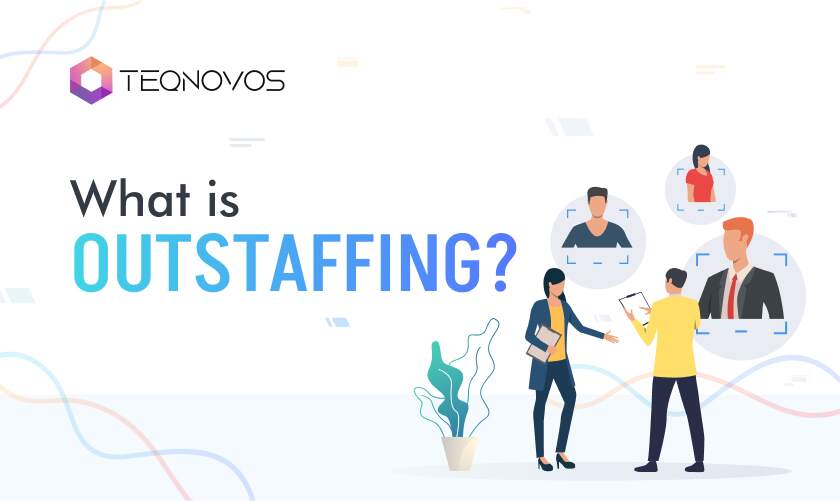
What is Outstaffing? – Here’s Everything You Need to Know
Businesses often need skilled developers, but do not always need a full in house hiring process. This is where what is outstaffing becomes an important question. Outstaffing helps companies work with remote software developers who join their existing team and follow their internal workflow.
Additionally, outstaffing can save businesses a lot of time and money. They won’t have to spend excessively on the hiring process. All they need is to share the requirements with an outstaffing service provider, and they will arrange the right talent accordingly. Businesses often choose IT outstaffing services when they need flexible hiring without losing project ownership.
This guide explains what is outstaffing, its benefits, and how businesses can use IT outstaffing services with better clarity.
Quick Overview
Outstaffing is a hiring model where businesses work with external developers who become part of their existing team. The company manages daily tasks and project direction, while the provider supports hiring, payroll, and employment-related work. This model helps businesses hire remote developers while keeping more control over software delivery.
What is Outstaffing?
It is a hiring model where a business works with external developers who join its existing team. It allows businesses to hire skilled developers who work alongside your in-house team to deliver projects on time. These remote software developers work under the company’s direct management. Without staffing, it becomes possible to hire talent from different parts of the world and have the brightest minds working for you.
The best thing about hiring IT professionals with outstaffing is that businesses can directly manage them and assign tasks as per requirements. There is no involvement of project managers who are responsible for managing and assigning work.
How Does Outstaffing Work?
Many businesses ask how does outstaffing work? before choosing this hiring model. The process usually starts when a company shares its role requirements, skills, project goals, and team needs with an outstaffing provider.
The provider then shortlists suitable developers based on the required experience and technical skills. The business reviews the profiles, interviews the candidates, and selects the right fit for its team.
After selection, the provider handles the contract payroll and employment support. The business manages the developer’s daily work tasks, communication, and delivery priorities.
Once onboarding starts, the developer joins the company’s workflow tools, meetings, and reporting process. This helps the business work with external talent like part of its internal team.
The model works best when roles, responsibilities, timelines, and communication rules are clear from the beginning.
Scale Your Team with Skilled Remote Developers. Talk to Teqnovos Today!
Schedule a CallAre There Any Differences Between Outstaffing and Outsourcing?
Yes. outstaffing vs outsourcing compares two different hiring models. Both models help companies access skilled professionals and complete software work. However, their structure, control level, and team management process are different.
When it comes to outsourcing, the firm employs a team from the outside to carry out a certain project or task within a project. The vendor overseeing the outsourcing controls the work process and deliveries of developers. With outstaffing, a company can hire remote developers who will work as part of the firm’s existing team.
Outsourcing works well when a company wants a vendor to manage the full project.
Here are some key differences between the two models.
- In outsourcing, the engagement with remote employees is for a short duration or till the project is completed. On the other hand, outstaffing allows long-term engagement since you can make remote employees work on different projects.
- In outsourcing, the company usually communicates with a project manager or delivery lead. In outstaffing, the company works directly with developers. This gives the business more control over task timelines and product decisions.
- Outsourcing is a good choice when the business needs complete project delivery. Outstaffing is a better choice when the business wants to expand its team and manage developers directly.
Outstaffing vs Outsourcing Quick Comparison
| Factor | Outstaffing | Outsourcing |
| Team control | The business manages developers directly. | The vendor manages the team and delivery. |
| Best use | Best for companies that need to extend their internal team. | Best for companies that want full project delivery. |
| Communication | The business works directly with developers. | The business usually works with a project manager. |
| Flexibility | Teams can scale based on changing project needs. | The scope usually depends on the agreed project plan. |
| Project ownership | The business keeps more control over product direction. | The vendor handles more delivery decisions. |
| Hiring purpose | Useful when companies want to hire remote developers for ongoing work. | Useful when companies need a complete project handled externally. |
Outstaffing vs Staff Augmentation
Outstaffing and staff augmentation are closely related models. Both help companies add external talent to an existing team. The main difference is how the provider supports the hiring and employment process.
In staff augmentation a business usually adds temporary specialists to fill a short term skill gap. In outstaffing, the business can build a more stable remote team for ongoing software work. The provider supports hiring, payroll, and employment related tasks while the company manages daily work.
Outstaffing works better when a company wants long term team support and direct control. Staff augmentation works better when a company needs a specific expert for a limited task or project phase.
Most Prominent Benefits of Outstaffing
Outstaffing gives companies a flexible way to build software teams without a long in house hiring process. The main outstaffing benefits include faster access to skilled talent and better cost control with easier scaling.
1. Hiring Skilled Developers Becomes Easy and Effective
As tech companies grow or expand their business, they hire dedicated developers with new skills. Some roles are hard to fill in the local market. Hiring may also take more time when the business needs niche technical expertise.
Outstaffing helps companies fill these skill gaps faster. Companies have the option to hire remote developers who fit the requirements of their projects and will be able to collaborate seamlessly with their teams since these developers are familiar with remote working conditions.
2. Reduced Operational Costs
With outstaffing companies can reduce many hiring and operational expenses. They do not need to spend heavily on office space, equipment, or extra workplace resources.
This makes the model useful for businesses that want skilled developers without increasing fixed costs. Companies can use the saved budget for product growth, testing marketing, or future team expansion.
3. No Need to Manage Local Employment Rules
Hiring full-time employees in different locations can create legal and administrative work. Companies may need to manage contracts, payroll benefits, and local employment rules.
However, there’s no need to worry about the employment rules as the outstaffing company will take care of all that on the employee’s behalf. Moreover, the relaxed dismissal conditions set by most outstaffing agencies are flexible.
4. More Control Over Hired Resources
Unlike outsourcing, outstaffing gives businesses full control over the remote staff. The company manages remote staff workloads and assigns them tasks. There is no need to depend fully on a project manager from the vendor side.
This control helps internal teams stay close to the development process. It also supports faster feedback, clearer task ownership, and better alignment with product goals.
5. Faster Project Execution
Outstaffing can help companies move faster when internal teams face tight deadlines. Businesses can add skilled developers to support ongoing work, fix delivery gaps, or speed up development.
This model also helps teams assign routine tasks to external developers. Internal members can then focus on core product decisions, architecture, and business critical work.
6. Flexibility to Scale the Workforce
Business needs change with product goals, market demand, and project timelines. The cost involved in hiring a full-time employee for all short-term projects might be expensive.
In outstaffing, the organization can increase or decrease its team size according to its immediate needs. It can either extend its contract or reduce its team size at the end of the project stage. This flexibility is one reason many companies see outstaffing as the future of IT talent acquisition.
What Affects Outstaffing Cost?
The cost of outstaffing depends on the developer’s role, experience , location, and engagement duration. A senior developer usually costs more than a junior or mid level developer. Specialized roles such as mobile app development, backend development, or quality assurance may also affect the final cost.
Project complexity also matters. A business that needs long term product support may follow a different pricing structure than a company that needs short term delivery help. The number of developers required also affects the budget.
Businesses can use IT outstaffing services to control hiring costs while keeping direct access to skilled talent. The best approach is to define the role, skill level, and expected workload before choosing a provider.
Build Faster with Flexible IT Outstaffing Services. Get Expert Support!
Schedule a CallKey Challenges Associated with Outstaffing
Like any hiring model, outstaffing also comes with some challenges that businesses must know.
1. Communication and Cultural Differences
The use of external developers may result in communication problems. The situation may arise due to differences in the way people work and their languages. The problems become major if there are no clear expectations from the very beginning.
How to Overcome
Interview each employee to determine their communication skills and the channels that they would use to communicate. Also, it’s important to make some arrangements so that the in-house team as well as the external employees learn about each other’s cultural values.
2. Time Zone Differences
Time zone differences can affect real time collaboration. Teams may face delays when meetings, reviews, or approvals depend on people working in different hours.
How to Overcome
Set a fixed overlap time for daily or weekly communication. Use project management tools to track task updates and blockers. This keeps the workflow clear even when teams work across different time zones.
3. Finding a Reliable Outstaffing Company
Many companies offer outstaffing support. But not every provider understands software delivery and long term team needs. Choosing the wrong provider can not only affect productivity but also project control.
How to Overcome
Review the provider’s technical screening process and replacement policy. Analyse their communication style and client feedback. Ask how they match developers with business needs. A reliable provider helps companies hire remote developers with better confidence and lower hiring risk.
4. Data Security and Access Control
External developers may need access to code repositories, project tools, or internal systems. Poor access control can create security risks and affect project trust.
How to Overcome
Give access only to the tools and data each developer needs. Use secure accounts, permission levels, and clear documentation. Define ownership of code and project assets before work starts. This makes the outstaffing model safer for long term software development.
5. Legal and IP Ownership
Outstaffed developers may work on product code, internal tools, and important business systems. This makes legal clarity important before the work starts. Businesses need to know who owns the code project files and completed work.
How to Overcome
Set clear contract terms before onboarding. Define intellectual property ownership in writing. Use a Non Disclosure Agreement also called an NDA, to protect sensitive business information. Clear terms help both sides work with better trust.
Do You Need to Consider Outstaffing for Your Business?
Outstaffing may serve well for those enterprises that need professionals, such as programmers, and at the same time want to keep direct control over product work. This helps enterprises grow their teams without developing a recruiting system.
This model works well when a business already has internal managers, product owners, or technical leads. These people can guide daily tasks, review progress, and manage delivery. In this case, outstaffing gives the company extra development capacity without losing project ownership.
Businesses can use outstaffing to hire remote developers for long term product work, short term delivery needs, or specific skill gaps. It also works well when a company needs remote software developers for backend, frontend, and support tasks.
The model may not be the right fit if a company wants the vendor to manage the full project. In that case, outsourcing may work better. This is why understanding outstaffing vs outsourcing is important before choosing a hiring model.
How to Choose an Outstaffing Company
Choosing the right outstaffing company is important for team quality and project control. A good provider should understand your technical needs and team structure before suggesting developers. For deeper vendor checks, you can read our guide on how to choose an outstaffing company before finalizing a provider.
Check these points before choosing a provider:
- Developer screening process
- Experience with similar software projects
- Technical skill matching
- Replacement terms
- Onboarding support
- Time zone overlap
- Communication and reporting methods
- Contract clarity
- Security practices
- Project ownership terms
A reliable provider helps businesses reduce hiring risk and build a team that fits their workflow. This makes the selection process just as important as the hiring model itself.
Summing it All Up
Finding talented developers and hiring them is not an easy task. Especially if businesses are on a budget, it becomes extremely challenging to find the right individual. Moreover, if businesses need expert developers on a contractual basis, hiring becomes even more difficult.
Outstaffing makes a great option for any business looking to employ developers with expertise in various popular technologies. Whether you want to hire developers to speed up the development of a project or expand your team, outstaffing emerges as a cost-effective solution.
Teqnovos helps businesses build flexible teams through IT outstaffing services. You can explore our hire dedicated developers service to find the right resources for your project needs.