



























Future Trends in Offshore Software Development Companies
Businesses use offshore software development for more than cost control. The model gives companies access to a wider technical talent pool. It can also help teams add skills without growing every role in house.
Modern offshore software development services support work across cloud systems and artificial intelligence. These changes are reshaping the way global teams plan software delivery.
An offshore software development company can work as an extension of an internal engineering team. Internal teams can keep product ownership while external specialists support defined parts of development. This model gives businesses more options when projects need additional capacity.
The latest offshore development trends now focus on smarter engineering systems and stronger security. These changes affect how teams build and manage modern software.
Offshore Development: What Does It Mean?
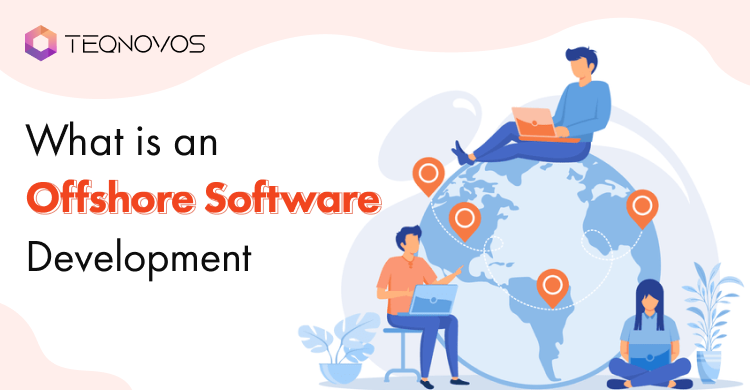
Offshore development means working with a software team based in another country. The team may handle a full product or a specific part of the software life cycle.
Software development outsourcing is the wider practice of assigning software work to an external provider. Offshore delivery is one form of this model.
Businesses use this approach for different reasons. Some need specialist skills. Others need more delivery capacity. Some need access to talent that is difficult to recruit locally.
The role of an offshore software development company now extends beyond writing code. Teams may support planning, testing, and cloud work. This wider role has made offshore delivery part of technology planning for many businesses.
Future Trends in Offshore Software Development
Businesses are focusing on technical expertise and faster delivery. AI, cloud native development, and flexible team models are also changing how offshore teams work.
1. Cloud Native Development
Cloud computing is already common across software teams. The newer shift focuses on cloud native systems and platform engineering. Cloud native development uses services and deployment practices built for cloud environments. Platform engineering gives developers shared tools for software delivery.
Why this matters for distributed teams:
- Less repeated setup work
- More consistent testing
- Faster deployment workflows
- Shared development standards
Cloud migration can also involve changes to an existing application architecture. The Web4Realty cloud migration case study shows this through an AWS migration and backend refactoring project.
2. AI Assisted Development
AI plays a larger role in software engineering. ML still supports prediction and data analysis. Generative AI has expanded its role in everyday development work.
Coding assistants can now support:
- Code creation
- Test generation
- Code explanations
- Documentation
- Routine debugging
Coding agents can take on longer tasks across a software repository. It can then prepare a pull request for developer review. Developers remain responsible for architecture, product decisions, and final review. AI can also become part of the software product itself. This can involve analytics, intelligent automation, or other capabilities covered within AI software development.
Expand Your Development Capacity With Offshore Expertise —Talk to Our Offshore Development Experts Today!
Schedule a Call3. Cybersecurity
Security remains a major concern for global development teams. Distributed access increases the need for stronger controls around code and development environments. DevSecOps brings security directly into development and delivery workflows.
Software supply chain security has also gained more attention. These controls also become important in regulated software. A health insurance application security case study shows how role based access and integration safeguards can become part of the application architecture.
Businesses using offshore software development services can review:
- Source code access
- Repository permissions
- Dependency management
- Secrets management
- Authentication controls
- Development environment access
Privacy requirements also depend on the product and market. This means that businesses need to invest in security and secure coding. They need compliance with different global regulations such as GDPR, HIPAA, and CCPA.
4. Agile and DevOps
Agile and DevOps are already established across software teams. The current shift involves connecting them with automation, security, and platform engineering.
Modern distributed delivery relies heavily on:
- Automated testing
- Continuous delivery
- Shared deployment pipelines
- Security checks
- AI supported workflows
These practices reduce manual handoffs between teams. They also create more consistent release processes across locations. Artificial intelligence is also becoming part of development and operations workflows. AI powered DevOps shows how AI can support areas such as testing and automation and software delivery.
5. Specialized Offshore Development Services
Businesses increasingly look for deeper technical knowledge when they select external development support. General coding ability still matters. Domain expertise can become more valuable when projects involve complex requirements.
Specialization may include:
- Healthcare software
- Financial technology
- Ecommerce
- Artificial intelligence
- Cloud systems
- Blockchain
This expertise can reduce the time spent learning industry requirements after development begins. The value of offshore software development services depends on the type of product involved.
6. Regional Diversification
India, the Philippines, and parts of Eastern Europe remain established offshore locations. Businesses also work with teams across Latin America, Africa, and Southeast Asia.
Location is only one part of the decision. Businesses also consider:
- Technical expertise
- Time zone overlap
- Language
- Cost
- Communication needs
Nearshore development uses teams in nearby countries or similar time zones. Offshore delivery can involve greater geographical distance. Nearshore and offshore models create different options for location and collaboration. A closer comparison of onshore and offshore software development can help explain how these delivery models differ.
Software development outsourcing is also becoming more flexible. Some businesses combine internal teams with external specialists. Others use dedicated remote teams or global delivery centers. This gives businesses more options as software needs change.
7. Better Collaboration
Remote software work is now common across many engineering environments. The focus has moved beyond video calls and messaging platforms.
Effective distributed teams rely on a few core practices:
- Clear documentation
- Shared repositories
- Visible ownership
- Agreed working hours
- Clear acceptance criteria
Businesses that hire offshore developers often define responsibilities before coding begins. This can reduce uncertainty and make collaboration easier across different time zones. This remains one of the most practical offshore development trends because communication affects almost every stage of delivery.
Clear responsibilities can reduce uncertainty across different time zones. These practices also form part of effective offshore software development management when internal and external teams work on the same product.
8. Automation and Low Code Platforms
Automation continues to reduce repetitive development work. Low code platforms also help teams create certain applications with less manual programming. Generative AI is also changing how these platforms work. The growing connection between generative AI and low code development is making automated application building more capable.
They can work well for:
- Internal tools
- Simple workflow applications
- Early prototypes
Low code platforms are not suitable for every product. Complex architecture may still require custom development. The same applies when software has advanced security or performance requirements. Development teams can use these approaches when the project fits the technology.
9. Efficient Software Engineering
Sustainability forms part of technology planning for some organizations. The focus often comes down to using computing resources more efficiently.
Software teams can improve efficiency through:
- Better cloud resource management
- Efficient application architecture
- Reduced unused computing capacity
- More efficient data processing
These changes can reduce unnecessary resource use. They can also support better cost control and system performance. The practical goal is simple. Teams can identify waste and improve efficiency where it creates measurable value.
Build Smarter Software With Global Development Teams —Start Your Project With Teqnovos Today!
Schedule a CallWhat Businesses Need to Consider Before Offshore Development
Technology trends do not remove the need for careful planning. Businesses still need clarity around project ownership, security, and communication.
A useful evaluation can cover:
- Technical experience that matches the project
- Clear ownership of code and documentation
- Security controls for repositories and environments
- Communication methods across time zones
- Defined testing and quality standards
Businesses that hire offshore developers can review these areas before expanding the team. A smaller initial scope can also show how well the working process fits the project.
Conclusion
The future of offshore software development is becoming more technical and more flexible. AI assisted engineering and software supply chain security influence the way global teams build software.
At the same time, software development outsourcing is moving beyond a simple vendor model. Businesses can combine internal teams with external specialists and other global delivery models.
The strongest offshore software development companies will stand out through technical depth and collaboration. Cost will remain part of the decision. It will not explain the full value of the model.
Get in touch with Teqnovos to understand how offshoring can benefit your business. Connect with our experts to know more.