
- Hire a Developer
 Android Developers
 iOS Developers
 Angular Developers
 DevOps Developers
 Laravel Developers
 MEAN Stack Developers
 MERN Stack Developers
 NestJS Developers
 NodeJS Developers
 NextJS Developers
 NuxtJS Developers
 Python Developers
 ReactJS Developers
 VueJS Developers
 WordPress Developers
 Shopify Developers
 BigCommerce Developers
 Salesforce Developers
- AI Development
- Industries


Get in Touch
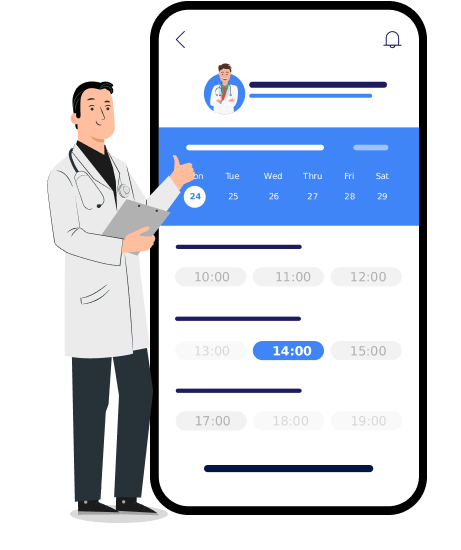
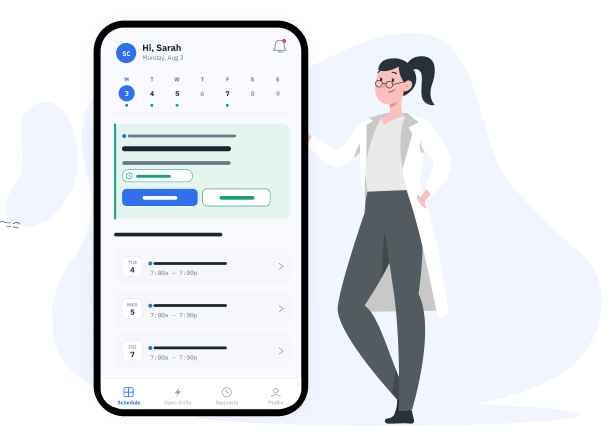
Why Healthcare Organizations Need Staff Scheduling Software
Healthcare organizations consist of individuals with varying levels of expertise, qualifications, and shift limitations. Manual scheduling may lead to delays, thus giving managers no control over scheduling. Staff changes can also happen without warning. With a dependable scheduling system, it becomes easy for managers to control such activities from one place. It can reduce manual work and make schedule changes easier to track. It can also support fair shift distribution and timely communication.
Healthcare workforce scheduling software becomes especially valuable for hospitals and clinics that operate across several departments or locations. It gives managers clearer workforce visibility and allows staff to access schedules without relying on calls or disconnected messages.
Proven Healthcare Staff Scheduling Software Development: A Complete Build Guide
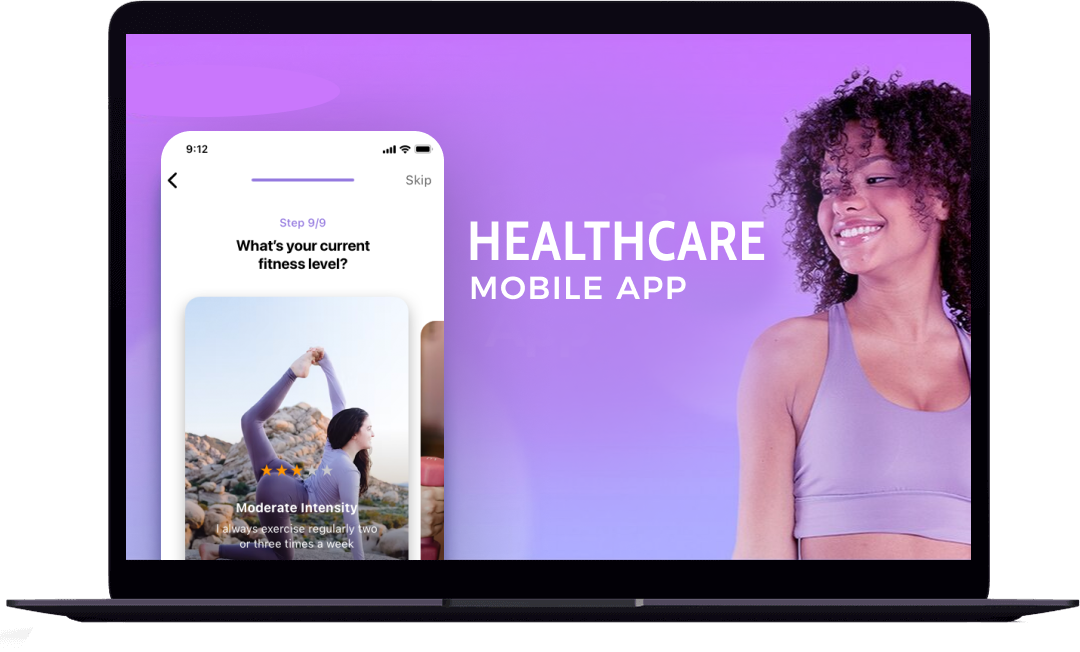

Healthcare App
Our web design and development team is remarkable when it comes to delivering business-oriented visuals. We first understood the project requirement and target audience to act accordingly for app development.
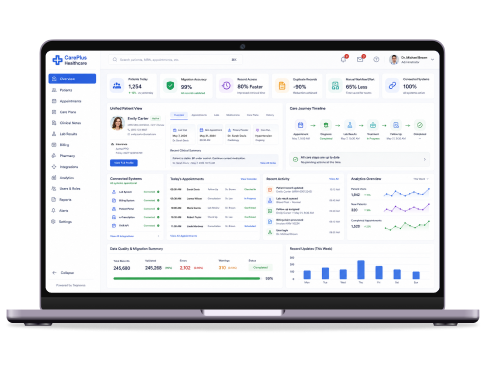

Electronic Medical Record Modernization
Teqnovos modernized a legacy Electronic Medical Record system to improve patient data access and streamline clinical workflows. The solution replaced disconnected processes with structured patient records and a unified patient view. The modernized platform helped clinical teams retrieve records faster and reduce manual work.
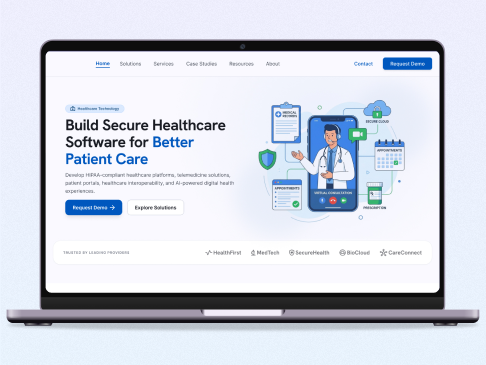
Connected Virtual Care Through EHR Integration
The platform connected every stage of the virtual care journey. Patients could schedule appointments and join video consultations through a simple process. Providers gained faster access to electronic health records and clearer follow up workflows. This reduced manual effort and supported a smoother care experience.
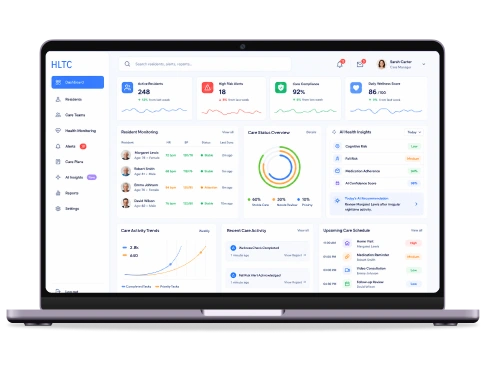

AI-Powered Elderly Care Monitoring Platform
Teqnovos built an AI powered elderly care monitoring platform that connected daily updates with alerts and caregiver actions. The platform helped care teams identify concerns earlier. It also improved follow ups and supported safer independent living for older adults.
What Problems Does Healthcare Staff Scheduling Software Solve?
Healthcare organizations must ensure that they have their shifts fully covered by trained personnel. The manual approach could be inefficient, leading to mistakes and time loss. An effective scheduling solution provides more power to management over staffing issues.
Coverage Gaps
Unexpected absences can leave critical shifts open. Hospital staff scheduling software gives managers a clear view of available workers and urgent staffing needs.
- Open shift alerts
- Qualified staff matching
- Real-time coverage updates
- Faster replacement decisions
Overtime Pressure
Manual planning can assign too many hours to the same employees. The software tracks scheduled time and warns managers before overtime increases.
- Work hour tracking
- Overtime threshold alerts
- Balanced shift allocation
- Clear approval records
Credential Conflicts
Healthcare roles often require active licenses and specific skills. The system can stop unqualified employees from receiving restricted shifts.
- Credential status checks
- Expiry date alerts
- Role-based assignment rules
- Blocked invalid bookings
Last-Minute Changes
Shift changes can create confusion when teams rely on calls or spreadsheets. A central system records each update and informs the right employees.
- Instant schedule updates
- Automated staff notifications
- Shift change history
- Manager approval controls
Uneven Workloads
Poor scheduling can place repeated night or weekend shifts on the same employees. Healthcare workforce scheduling software can apply fair distribution rules across teams.
- Weekend rotation rules
- Night shift balancing
- Preference tracking
- Workload visibility
Multi-Location Complexity
Healthcare groups often manage several departments or facilities. A shared scheduling platform gives leaders one view of staffing demand across every location.
- Location-based schedules
- Cross-facility staffing
- Department coverage views
- Central workforce control

1

2

3

4

5

6

7

8
Turn Complex Staffing Rules Into Smarter Schedules
Build a secure scheduling platform that keeps teams organized and workforce decisions clear.
How Healthcare Staff Scheduling Software Works
A scheduling platform turns workforce policies into clear digital rules. It reviews staff data before assigning shifts. This process reduces conflicts and gives managers more control over each schedule.


Staff Data Collection
The platform gathers workforce information from connected systems and user inputs. This includes employee profiles, department requirements, availability data, and scheduling rules required for generating accurate schedules.

Coverage Rule Setup
Managers define staffing requirements, department coverage limits, shift patterns, and operational rules. These settings help the scheduling engine understand workforce requirements before creating schedules.

Credential Verification
The system validates workforce eligibility data before schedule generation. It uses configured requirements to ensure assignments follow organizational policies and role restrictions.

Shift Matching
The scheduling engine analyzes available workforce data and operational requirements to generate suitable shift recommendations. It evaluates multiple scheduling factors before presenting options for review.

Conflict Detection
Before schedules are published, the platform checks for conflicts such as overlapping assignments, insufficient coverage, or rule violations. This validation helps teams identify issues early.

Manager Review
Automated schedules are reviewed by managers before final approval. Human oversight allows teams to adjust recommendations based on real operational situations.

Schedule Publishing
After approval, the final schedule becomes available through web or mobile interfaces. Employees can access assigned shifts and receive updates when changes occur.

Performance Monitoring
Post-launch analytics help organizations evaluate scheduling efficiency. Teams can monitor staffing patterns, scheduling accuracy, and operational trends to improve future planning.
Architecture and Integrations Required for Healthcare Scheduling Software
Healthcare scheduling platforms require a structured architecture to process workforce data, apply scheduling rules, and connect with existing healthcare systems. A scalable architecture helps organizations manage complex staffing workflows while maintaining secure data exchange between different platforms.
Sync employee profile information
Update role and department details
Manage approved leave records
Maintain active workforce data
Transfer approved working hours
Compare scheduled and actual attendance
Support overtime calculations
Reduce duplicate data entry
Apply role-based access controls
Verify staff authorization details
Manage user permissions
Track credential-related updates
Connect provider availability data
Support healthcare workflow integration
Enable secure data exchange
Improve coordination between connected platforms
| Solution Type | Estimated Development Cost | Development Timeline | Suitable For |
|---|---|---|---|
| Basic Scheduling Platform | $40,000–$70,000 | 3–5 months | Clinics and small healthcare organizations needing shift planning, staff availability tracking, notifications, and basic reporting |
| Advanced Workforce Scheduling Solution | $80,000–$150,000 | 5–8 months | Hospitals and healthcare groups requiring automated scheduling, approval workflows, integrations, and workforce analytics |
| Enterprise Healthcare Scheduling Platform | $150,000–$250,000+ | 9–12+ months | Multi-location healthcare networks needing AI-based optimization, complex integrations, advanced reporting, and scalable architecture |

Demand Forecasting
Predictive models analyze historical staffing data, patient demand patterns, and operational trends to estimate future workforce requirements. These insights help organizations prepare staffing plans before demand changes create coverage challenges.

Schedule Optimization
Optimization algorithms evaluate multiple constraints such as staff availability, workload limits, shift requirements, and organizational policies. The system recommends scheduling options that balance operational needs while following configured rules.

Staffing Risk Prediction
Machine learning models can identify patterns associated with potential staffing challenges. By analyzing previous scheduling data, these models can highlight periods where additional workforce planning may be required.

Workforce Pattern Analysis
AI systems analyze historical scheduling outcomes to identify trends in overtime, shift distribution, and workforce utilization. These insights support long-term workforce planning and operational improvements.

AI-Assisted Decision Support
AI-generated recommendations support managers during scheduling decisions but do not replace human oversight. Healthcare teams can review recommendations and adjust schedules based on real-world situations and operational priorities.

Model Monitoring and Improvement
AI performance requires continuous monitoring because workforce patterns and operational requirements change over time. Organizations can evaluate recommendation accuracy and update models when scheduling conditions evolve.
Artificial Intelligence enhances healthcare scheduling by combining workforce data analysis, demand forecasting, and optimization techniques. While traditional systems follow predefined scheduling rules, AI-based solutions can identify patterns, predict future staffing requirements, and recommend improved schedules based on multiple operational constraints. Healthcare teams can explore the broader role of AI in healthcare to understand how intelligent systems support scheduling and resource planning.
Build Schedules That Work for Every Shift
Create a healthcare scheduling system that improves coverage and gives managers stronger control.
Healthcare Staff Scheduling Software Development Services
Healthcare organizations need services that match their staffing rules and existing systems. The right development approach can support daily scheduling and future product growth.

Product Discovery and Planning
Discovery turns operational needs into a clear product plan. Teams review users’ workflows, scheduling policies, and technical limits before development starts.
- Workforce workflow assessment
- User role mapping
- Product scope planning
- Technical risk review

Custom Platform Development
Healthcare staff scheduling software development creates a platform around specific workforce rules. Teqnovos can build secure solutions through its web app development services that fit daily healthcare operations.
- Custom platform architecture
- Manager portal development
- Employee interface design
- Scalable backend development
Scheduling Engine Development
Teams that build staff scheduling software for healthcare need a reliable decision engine. The engine applies staffing rules and resolves conflicts before managers publish schedules.
- Scheduling logic design
- Constraint rule configuration
- Conflict resolution workflows
- Approval process setup

Data Migration and Integration
Teams that create staff scheduling software for healthcare may need to move legacy records and connect existing systems. Careful migration protects data quality and continuity.
- Legacy data assessment
- Secure record migration
- Third-party integration
- Data validation testing

Security and Quality Testing
Testing checks performance, security, and reliability before launch. The process should cover unusual scheduling cases and unauthorized access attempts.
- Security control testing
- Workflow quality checks
- Load performance testing
- User acceptance testing

Maintenance and Scaling
Ongoing support keeps custom healthcare scheduling software stable as users and locations grow. Teams can improve performance and add new capabilities based on real usage.
- Platform health monitoring
- Feature enhancement planning
- Infrastructure scaling support
- Integration maintenance services
Security and Compliance Planning
Healthcare scheduling platforms handle workforce information such as employee profiles, availability, credentials, and access records. Some solutions may also connect with systems that contain Protected Health Information (PHI). The required security controls depend on the type of data processed, connected systems, and operational workflows. However, strong healthcare app data privacy and security planning should begin before workforce records enter the platform.
Role-Based Access
Role-based access controls ensure that users only access information required for their responsibilities. Managers, employees, and administrators can receive different permission levels based on their roles. This approach reduces unnecessary data exposure and supports secure workforce management.
Secure Authentication
Strong authentication protects user accounts and prevents unauthorized access to scheduling platforms. Healthcare organizations often use additional verification methods to secure systems that manage sensitive workforce or healthcare-related information.
Data Encryption
Encryption protects workforce records and sensitive data during storage and transfer. Secure data exchange practices help maintain confidentiality when scheduling platforms connect with payroll systems, HR platforms, or healthcare applications.
Audit Logs
Audit logs provide visibility into user activity across the platform. They help organizations track schedule changes, access attempts, permission updates, and other important actions for security reviews and compliance assessments.
HIPAA Scope and PHI Protection
Healthcare staff scheduling software may handle workforce data such as employee availability and shift assignments, which may not always fall under HIPAA requirements. However, platforms connected with patient-related systems or Protected Health Information (PHI) require stronger safeguards. In such cases, organizations may need additional controls and a Business Associate Agreement (BAA) with the technology provider.
Regional Compliance Requirements
Healthcare organizations operating across different regions may need to follow additional privacy and security regulations beyond HIPAA. Compliance planning should consider applicable laws, data storage locations, user access requirements, and responsibilities between involved parties.
What Affects Healthcare Scheduling Software Development Cost?
The healthcare scheduling software development cost depends on product scope and technical depth. A focused system costs less than a multi facility platform with advanced automation and complex data requirements. Teams should compare the pros and cons of custom healthcare app development before finalizing the product scope and budget.

Product Scope and Platforms
A basic web platform suits smaller teams with standard scheduling needs. Larger healthcare groups may need mobile access and multi facility controls, which increase design and development effort.
- Number of user roles
- Web and mobile platforms
- Facility management scope
- Workflow complexity level

AI and Scheduling Logic
Rule based scheduling suits predictable workforce policies. Advanced Artificial Intelligence features require stronger data models and testing, which can increase the healthcare scheduling software development cost.
- Demand forecasting models
- Intelligent shift matching
- Fairness rule testing
- Human review controls

Data and Deployment Needs
Small projects may use clean employee records and cloud hosting. Complex projects may require legacy data migration and private deployment, which demand more planning and validation.
- Data migration volume
- Legacy record quality
- Cloud hosting setup
- Private deployment needs

Testing and Long Term Support
A simple pilot needs focused workflow testing. Large healthcare platforms require deeper security and performance testing, plus ongoing support after launch.
- User acceptance testing
- Performance testing depth
- Maintenance support level
- Future scaling plans
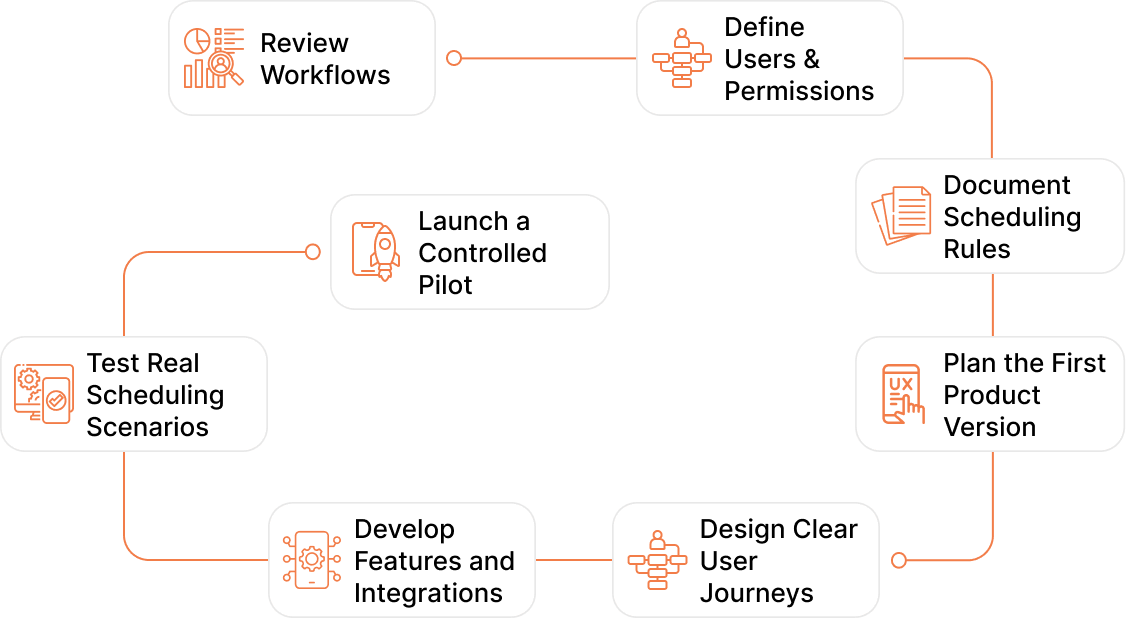
Review Current Scheduling Workflows
Teams should study how managers create shifts and handle absences. This review reveals delays and manual tasks that the new system must address.
Define Users and Permissions
The platform may serve managers, employees, administrators, and staffing partners. Each user needs clear access rights based on daily responsibilities and data needs.
Document Scheduling Rules
Teams must record coverage limits, credential needs, rest periods, and approval steps. These rules guide the scheduling engine and reduce unclear development decisions.
Plan the First Product Version
Teams that build staff scheduling software for healthcare should begin with essential features. A focused first version reduces complexity and supports faster user testing.
Design Clear User Journeys
Managers need simple tools for shift creation and approvals. Employees need easy access to schedule availability settings and shift change requests.
Develop Features and Integrations
Teams that create staff scheduling software for healthcare must connect workforce features with payroll, attendance, and employee data systems.
Test Real Scheduling Scenarios
Medical staff scheduling software development requires testing for absences, overtime credential expiry, and overlapping shifts. Real scenarios reveal issues before the system reaches wider teams.
Launch a Controlled Pilot
Teams can build staff scheduling software for healthcare within one department first. Feedback from managers and employees can guide improvements before a larger rollout.
What Makes Teqnovos Your Ideal Partner
Healthcare staff scheduling platforms require a balance between workforce planning, operational workflows, and system reliability. Teqnovos focuses on developing solutions that align scheduling logic with healthcare-specific requirements, including complex staffing structures, connected systems, and evolving operational needs.

Healthcare Software Development Expertise
Custom healthcare platform development
Healthcare workflow analysis and customization
Scalable application architecture planning
Digital transformation support for healthcare operations

Integration and Automation Capabilities
Complex system integration planning
API-based healthcare platform connectivity
Automated workflow implementation
Data exchange optimization between connected systems

Product Engineering & Continuous Improvement
Requirement analysis and product roadmap planning
User-focused interface and workflow design
Performance optimization after deployment
Feature enhancements based on evolving business needs

Security and Scalability Focus
Secure application architecture
Role-based access management
Multi-location platform support
Scalable backend infrastructure
What makes Teqnovos different
Digital Strategy With a Clear Business Purpose
Teqnovos approaches digital transformation through business goals rather than isolated features. The team studies current workflows, technology gaps, integration dependencies, and user needs before defining the right delivery path. This creates focused solutions that fit existing operations and give organizations a clear basis for future technology decisions.
About Teqnovos
Teqnovos works with organizations that need software to solve clear business problems. Its teams combine product planning, user experience, engineering, system integration, and quality testing to create practical software products. The work covers new applications, connected platforms, and upgrades to existing systems, with attention to users, data, and daily operations.

Frequently Asked Questions
Healthcare employee scheduling software manages shifts and workforce availability across healthcare facilities. It matches qualified employees with open shifts. It can also track leave requests and credentials. Managers can review conflicts before publishing the schedule.
Hospital staff scheduling software should include automated shift planning and availability tracking. It should also support credential checks and shift swaps. Overtime alerts and mobile access are also important. Reporting tools give managers better workforce visibility.
Appointment scheduling software development for healthcare focuses on patient bookings and provider time slots. Staff scheduling focuses on employee shifts and workforce coverage. Both systems may share provider availability data. However their users and operational goals remain different.
AI appointment scheduling software for healthcare predicts suitable booking times and reduces appointment conflicts. AI healthcare staff scheduling software predicts workforce demand and recommends qualified employees for shifts. Managers should review important staffing recommendations before publishing schedules.
The timeline depends on scope and scheduling complexity. Teams that build staff scheduling software for healthcare may launch a focused first version before adding advanced capabilities. Integrations and Artificial Intelligence can extend the development timeline.
The Health Insurance Portability and Accountability Act applies when the platform handles protected health information. Staff schedule data alone may not always trigger this requirement. The organization must review every data source and integration before development.
Yes. Medical staff scheduling software development can include payroll and attendance connections. It may also connect with an Electronic Health Record when patient demand or provider data affects workforce planning. Secure data access must remain a priority.
Ready made software suits standard scheduling workflows. Custom healthcare scheduling software suits organizations with complex rules and several locations. Teams may also create staff scheduling software for healthcare when existing platforms cannot support required integrations or approval processes.