
- Hire a Developer
 Android Developers
  iOS Developers
  Angular Developers
  DevOps Developers
  Laravel Developers
  MEAN Stack Developers
  MERN Stack Developers
  NestJS Developers
  NodeJS Developers
  NextJS Developers
  NuxtJS Developers
  Python Developers
  ReactJS Developers
  VueJS Developers
  WordPress Developers
  Shopify Developers
  BigCommerce Developers
  Salesforce Developers
 - AI Development
- Industries









Get in Touch
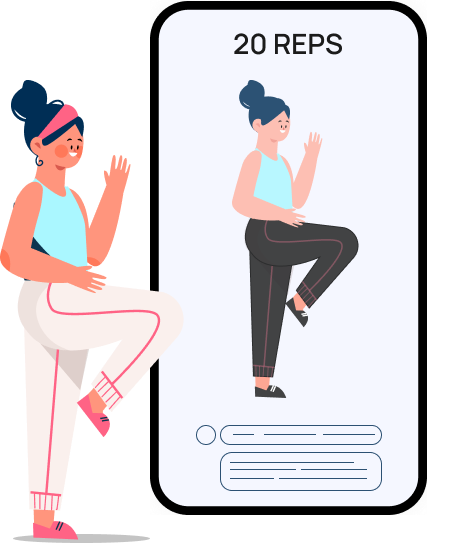
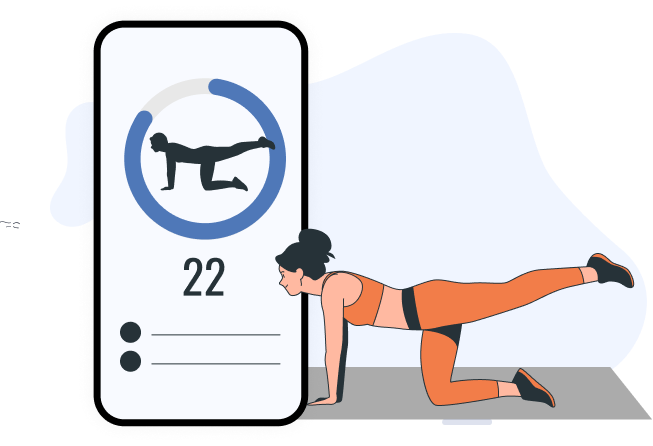
Personal Trainer App vs General Fitness App
A general fitness app gives users workouts they can complete without trainer support. It may offer exercise videos or basic workout plans. Most users follow the content at their own pace.
A personal trainer app creates a direct coaching experience. Trainers can manage client profiles and assign workout plans. They can also review progress and respond to feedback. Clients can access plans that match their goals and fitness levels.
Personal training software development also needs role-based access. Trainees require a dashboard for their coaching sessions. Clients require an easy exercise routine. Administrators will require user control, payment control, and content control. Free trainers will require client management, while gyms or coaching agencies will require control over multiple trainers and content management.
Choose the Right Personal Training App Model
App development for personal fitness training needs to match the service model. Each model requires different user roles and payment flows. Clear planning prevents businesses from building tools that do not fit their coaching offer.
Independent Trainer App
One trainer manages a private client base through a branded app. This model focuses on personal guidance, plan updates, and direct client communication.
- Client profile management
- Custom workout plans
- Trainer feedback tools
- Progress review access
Multi Trainer Platform
Gyms, studios, and coaching agencies use this model to manage several trainers and clients. Shared controls keep coaching operations organized.
- Trainer role management
- Client assignment controls
- Shared content library
- Performance reporting
Trainer Marketplace App
This model connects clients with trainers based on goals, preferences, or availability. The platform needs clear booking and payment workflows.
- Trainer profile listings
- Client search filters
- Session booking tools
- Payout management
Hybrid Coaching App
Hybrid coaching combines self-guided workouts with personal trainer support. Clients can follow programs and request guidance when needed.
- Workout content library
- Trainer check-in tools
- Optional coaching sessions
- Subscription access
Membership-Based Fitness App
Fitness brands use this model to sell recurring access to workout programs. Members can explore fresh content through one subscription.
- Membership plan controls
- Premium workout content
- Program release updates
- Member progress views
Corporate Wellness App
Businesses use this model to offer fitness support to employees. Privacy-focused reporting keeps personal activity details protected.
- Employee group access
- Wellness content library
- Participation tracking
- Private reporting controls

1

2

3

4

5

6

7

8
Turn Your Coaching Method Into an App
Give clients one place for workouts, progress, feedback, and paid access. Build a personal trainer app that fits your coaching model.
How a Personal Trainer App Customizes Workouts to Goals
The best personal training app that customizes workouts to goals uses coaching logic instead of a fixed workout library. It turns client inputs and training results into relevant plan changes that align with real capacity and changing goals.
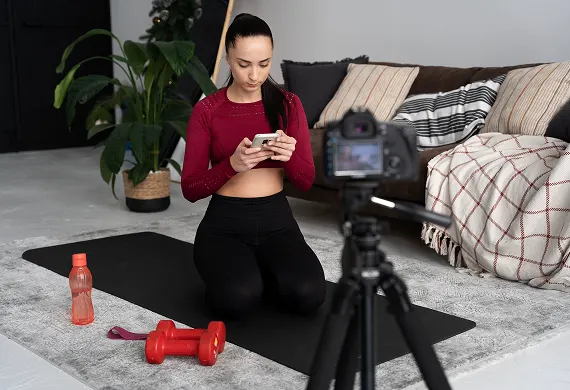

Goal Translation Into Training Plans
Goal translation converts outcomes such as strength or mobility into measurable training targets. Trainers can match exercise selection and session structure with the client’s stated purpose.

Fitness Baseline and Training Capacity
Fitness baseline reviews current ability before the first plan begins. It guides starting intensity and movement choices so clients avoid sessions that exceed present capacity.

Workout Frequency and Time Limits
Workout frequency settings shape plans around available training days and session length. This keeps routines realistic for busy clients and improves consistent workout completion.

Equipment-Based Exercise Selection
Equipment matching selects exercises that fit home tools, gym access, or bodyweight needs. It prevents plans from depending on equipment that clients cannot use.

Exercise Difficulty Progression
Exercise progression changes movement difficulty as confidence and performance improve. Trainers can introduce harder variations after clients show reliable technique and completion patterns.

Training Volume and Recovery Planning
Training volume and recovery settings balance exercise load with rest needs. They prevent plans from adding more work when fatigue or low adherence signals a slower pace.

Trainer Approval for Plan Changes
Trainer approval keeps important changes under professional control. The app can present data and suggestions while trainers decide the next safe and relevant adjustment.

Ongoing Plan Refinement Through Performance Data
Performance data reveals completion patterns and recurring barriers across each plan. Trainers can refine future sessions using progress trends instead of generic workout templates.
Why Choose Teqnovos for Personal Trainer App Development?
Teqnovos approaches personal trainer app development around real coaching workflows. The team plans clear experiences for trainers, clients, and business teams. Each product focuses on useful features, practical user journeys, and a scalable foundation. This keeps the app aligned with the fitness business model and future growth plans.
Map the work trainers complete each day.
Define what clients need before their first workout.
Choose progress details that support real coaching decisions.
Set clear boundaries for fitness and wellness guidance.
Match the app scope with the coaching business model.
Separate launch features from future product ideas.
Define user roles before screen design begins.
Create a roadmap that fits growth plans.
Simplify workout access for clients.
Keep trainer actions easy to complete.
Reduce steps for feedback and progress reviews.
Design separate journeys for each user role.
Select platforms based on product needs.
Prepare the app for future wearable connections.
Support payment tools and membership access.
Build a foundation for useful future integrations.
Test workout access before launch.
Review trainer feedback and progress workflows.
Check payments, subscriptions, and account access.
Verify alerts, notifications, and key user actions.
Review how trainers and clients use the app.
Identify weak areas through real user feedback.
Improve features that affect daily coaching.
Plan updates based on product activity.

App Type and Business Model
A solo trainer app needs fewer workflows than a marketplace or gym platform. Complex service models require more screens, controls, and backend development.

User Roles and Permissions
Trainer, client, and administrator roles need separate access rules. More user types increase development work because each role requires specific actions and controls.

Platform Choice
Building for iOS, Android, and web dashboards expands the delivery scope. Cross-platform development can reduce duplicate work across mobile operating systems.

Core Feature Scope
Advanced functions increase the personal trainer app development cost when they require complex logic. Core coaching workflows create a more focused starting point.

Workout Content and Media Storage
Exercise videos, images, and training guides need secure storage and smooth delivery. Larger media libraries can increase infrastructure and maintenance needs.

Payment and Subscription Setup
Subscription plans, one time payments, and renewal controls need reliable payment workflows, refunds, access rules, and billing records, which also affect development scope.

Wearable and Third Party Integrations
Wearable connections and external tools require permission flows, data mapping, and testing. Each approved integration adds planning work and ongoing update needs.

Testing and Ongoing Updates
Testing checks trainer actions, client access, payments, and notifications before launch. Regular updates keep the app compatible with changing devices and platform rules.
The answer to how much does it cost to build a personal trainer app depends on the business model. A focused first release can cost around $30,000 to $50,000. A multi-trainer platform can cost around $50,000 to $90,000. A marketplace or advanced platform with wearable integrations can cost $80,000 to $150,000or more . The final personal trainer app development cost depends on user roles, platform choice, integrations, and long term support needs.
Make Every Client Session Count
Launch a fitness coaching app that helps trainers guide clients beyond the gym. Create better workout access, stronger engagement, and easier progress reviews.
How to Prioritize Features for a Personal Trainer App Launch
A personal trainer app does not need every feature at launch. Businesses need to prioritize tools that help trainers manage clients and help users complete workouts. This approach keeps the first release focused. It also helps teams use real product activity to plan future updates.
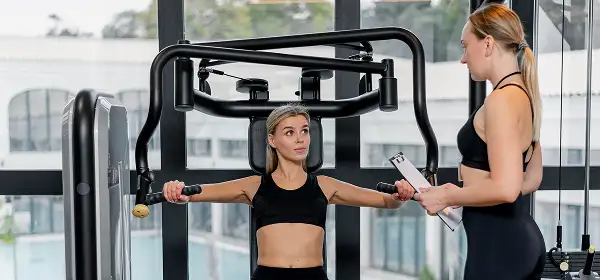
Client Activation First
A strong first release helps clients start training without confusion. Simple onboarding and goal selection help trainers create relevant plans before the first workout begins.
- Collect fitness goals during onboarding
- Ask about available equipment
- Record preferred workout days
- Set an initial training level

Trainer Time Savings
The app needs to reduce repeated trainer tasks. Plan builders and progress views help trainers manage more clients without relying on separate spreadsheets or messages.
- Create reusable workout templates
- Duplicate plans for similar clients
- Review client progress in one place
- Send feedback through the app
Essential Workout Access
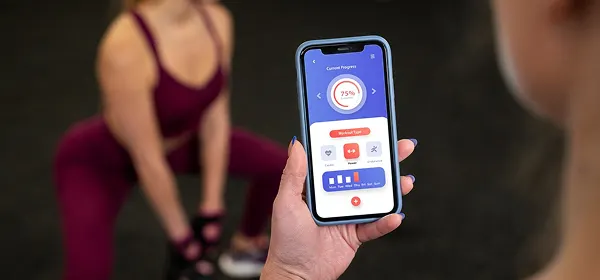
Clients need clear access to daily workout instructions. The first release must make exercises easy to find, follow, and complete during each session.
- Show daily workout plans
- Add exercise videos and instructions
- Record completed workout sessions
- Display sets and repetition targets

Payment Before Advanced Tools
Payment access needs attention before complex fitness tools. Clear memberships and coaching packages help the business manage paid access from the first release.
- Add membership plan options
- Support one-time program purchases
- Show renewal dates clearly
- Manage paid access automatically
Delay Complex Integrations
Wearables and external platforms can add value later. The first release can collect basic progress details without adding complex permission flows or data mapping.
- Launch without wearable connections
- Track workouts inside the app
- Add manual progress updates
- Review integration demand after launch
Improve Through Real Usage
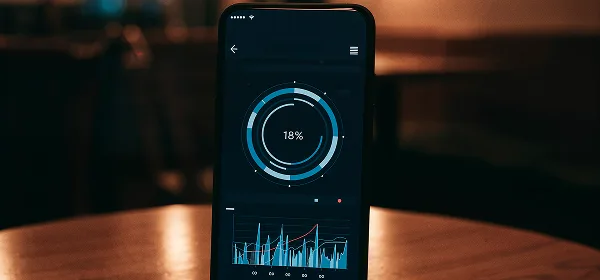
User activity reveals which features need attention after launch. Trainer feedback and client behavior can guide updates better than assumptions made before development begins.
- Track incomplete workout patterns
- Review membership renewal activity
- Collect trainer feedback regularly
- Prioritize updates based on user behavior
Privacy, Data Security, and App Store Readiness
Personal training software development needs clear data practices before launch. Fitness apps can handle progress photos, payment records, and wearable activity. Apps that collect sensitive wellness information can also follow health data privacy practices for stronger data handling.
Purpose-Based Data Collection
Purpose-based collection limits data requests to information needed for workouts or coaching actions. This reduces privacy risks during daily app use
Clear User Consent
Clear consent screens explain why the app requests data. Users need a choice before sharing progress photos, notifications, or wearable activity.
Role-Based Access Controls
Role-based access limits each person to relevant information. Trainers can view assigned clients while administrators manage accounts without reviewing private coaching details.
Secure Payment Workflows
Approved payment providers process memberships and program purchases securely. The app should avoid storing unnecessary card details or exposing billing information to trainers.
Progress Photo Protection
Private photo controls let clients manage sensitive visual records. Restricted access and clear deletion options keep personal progress content under user control.
Wearable Data Permissions
Wearable permissions explain the activity data required for a connected feature. The app should request only information that improves visible workout or progress functions.
Fitness Guidance Boundaries
Clear wellness notices explain where fitness guidance ends and professional care begins. The app must not diagnose conditions or promise treatment results.
App Store Readiness
App store readiness requires privacy disclosures, account controls, subscription terms, and support details. Health-related apps may also require platform specific declarations.
Monetization Models for Personal Trainer Apps
App development for personal fitness training needs a revenue model that matches the coaching offer. Clear payment rules keep access simple for clients and business teams.
Monthly Memberships
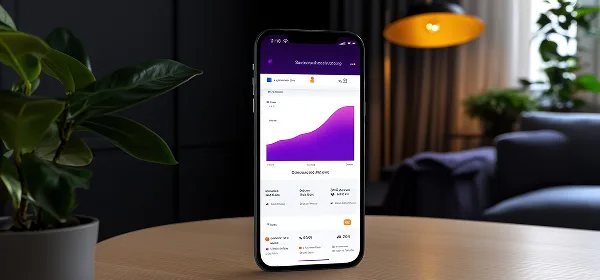
Monthly memberships give clients ongoing access to workouts and trainer support. Clear renewal rules make recurring billing easier to manage for clients and business teams.
- Monthly access plans
- Automatic renewal settings
- Tiered membership levels
- Membership status controls

One-Time Program Sales
One-time program sales let trainers package focused plans without ongoing coaching. This model suits clients who want a defined result or training period.
- Single program purchase
- Fixed content access
- Defined plan duration
- Optional paid upgrades

Private Coaching Packages
Private coaching packages charge for direct trainer involvement across a fixed period. Clients receive personal guidance while trainers can set clear service limits.
- Set coaching duration
- Session booking access
- Direct feedback tools
- Premium pricing tiers

Group Coaching Access
Group coaching access gives several clients one structured program with shared guidance. This model can lower individual pricing while increasing trainer reach.
- Cohort-based enrollment
- Shared program delivery
- Group session access
- Community participation tools

Corporate Wellness Plans
Corporate wellness plans sell fitness access to organisations that support employee wellbeing. Businesses can manage group eligibility while keeping individual activity details private.
- Company membership plans
- Employee access controls
- Private participation reports
- Renewal contract options

Pay Per Session Access
Pay-per-session access lets clients purchase individual training sessions without a long-term commitment. This model suits virtual coaching, trial sessions, and flexible trainer support.
- Single session booking
- Secure payment before access
- Cancellation policy controls
- Optional session bundles
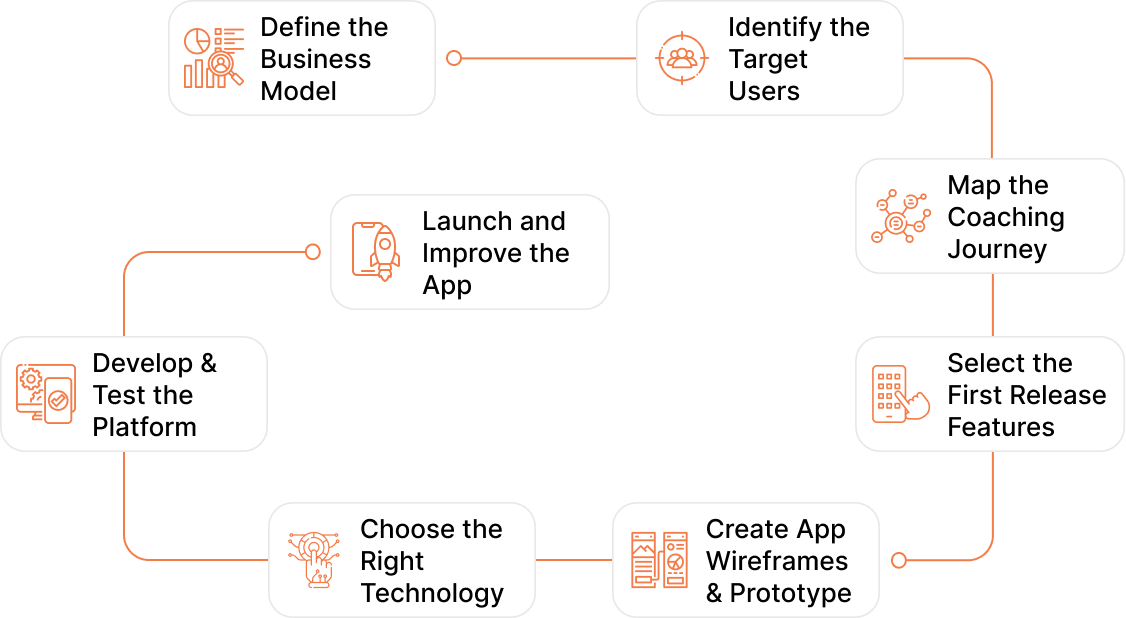
Define the Business Model
A business needs to define how the app will deliver value. It can offer private coaching, memberships, or trainer marketplace services. This decision shapes the product scope.
Identify the Target Users
The team needs to identify who will use the platform each day. Trainers, clients, and support teams need different access levels and user journeys.
Map the Coaching Journey
The coaching journey should show each action between onboarding and progress reviews. It needs to cover workout delivery, client activity, trainer feedback, and membership access.
Select the First Release Features
The first release should focus on functions that support the core service. A custom personal trainer app can add advanced features after real users validate the main workflow.
Create App Wireframes and Prototype
Wireframes show how each screen will work before development starts. A mobile app prototyping process helps teams identify unclear actions and improve user flows early.
Choose the Right Technology
The technology approach depends on the required platforms and future product goals. Custom mobile app development services can support iOS, Android, cross platform delivery, and trainer dashboard needs.
Develop and Test the Platform
Development turns approved workflows into a working product. Testing checks workouts, payments, notifications, and trainer actions before the app reaches users.
Launch and Improve the App
The launch stage shows how people use the product in real conditions. Teams can review feedback, workout activity, support issues, and membership behavior before planning future updates.
Common Mistakes to Avoid During Personal Trainer App Development
Personal trainer app development needs a clear product focus. Early decisions can affect cost, user experience, and future product growth.

Building Too Many Features
Launch with the core coaching workflow first.
Delay wearable tools and live sessions until users need them.
Confirm feature value through trainer and client feedback.
Release new functions after testing real product usage.

Ignoring Trainer Workflows
Map how trainers onboard clients and update plans.
Reduce manual work across messages and external spreadsheets.
Give trainers clear controls for feedback and progress reviews.
Test daily coaching tasks before the app reaches users.

Adding Artificial Intelligence Too Early
Use artificial intelligence only when it improves workout guidance.
Keep trainer review in place for important plan changes.
Avoid automated suggestions that lack clear user context.
Add advanced tools after core coaching workflows are stable.

Skipping User Feedback
Track retention, which measures how often users keep returning.
Set clear rules for community posts and member interactions.
Review client concerns and incomplete workout patterns.
Improve routines and content based on real user activity.
What makes Teqnovos different
Scalable Digital Solutions To Power Business Growth
Business success is our benchmark. At Teqnovos, we design and develop custom mobile applications that solve real operational challenges. Our solutions enhance customer experiences and support long-term scalability. By aligning technology with your workflows and market needs, we ensure every solution delivers lasting value.
About Teqnovos
Teqnovos’ team provides custom mobile app solutions to gain a competitive advantage in a growing market. Digital readiness helps businesses build loyalty and scale sustainably. Businesses are moving toward digital experiences that support convenience and speed. Mobile app development plays a key role in meeting these expectations. A well-planned app helps improve customer engagement and repeat purchases. It also gives businesses better control over branding, operations, and data. Book a free consultation with us to become a powerful growth channel in the market.

Frequently Asked Questions
Personal trainer app development creates a digital coaching platform for trainers and clients. It can manage workout plans, client progress, and feedback. It can also handle subscriptions and training content through one connected product.
The must-have features of personal trainer app development include client onboarding, workout plan delivery, and exercise guidance. A few more features include progress tracking, trainer messaging, and payment access. Advanced tools can follow after users validate the core coaching workflow.
The app can use goals, fitness level, and available equipment to shape each routine. Trainers can then review workout activity and adjust the plan as the client’s needs change.
The best platform combines structured client inputs with trainer oversight. It creates plans that fit real schedules and training capacity. It also lets trainers refine routines through progress data and client feedback.
Personal trainer app development cost depends on the app model, number of user roles, and platforms. Feature scope, content requirements, and integrations also matter. A simple coaching app needs less work than a marketplace or a multi-trainer platform.
The timeline depends on the product scope and approval process. A focused first release takes less time than a platform with wearable connections, live sessions, advanced analytics, and multiple user roles.
White label software can suit basic coaching needs and faster setup. A custom personal trainer app works better when a business needs unique workflows, stronger brand control, specific integrations, or long term product flexibility.
Yes. The app can include meal guidance, nutrition plans, and progress notes. The content needs clear fitness and wellness boundaries. It must not diagnose health conditions or promise treatment outcomes.
Wearable integration is not essential for every product. It can add value when activity data supports a visible coaching feature. Many businesses launch with core workout and progress tools first.