
- Hire a Developer
 Android Developers
  iOS Developers
  Angular Developers
  DevOps Developers
  Laravel Developers
  MEAN Stack Developers
  MERN Stack Developers
  NestJS Developers
  NodeJS Developers
  NextJS Developers
  NuxtJS Developers
  Python Developers
  ReactJS Developers
  VueJS Developers
  WordPress Developers
  Shopify Developers
  BigCommerce Developers
  Salesforce Developers
 - AI Development
- Industries










Get in Touch
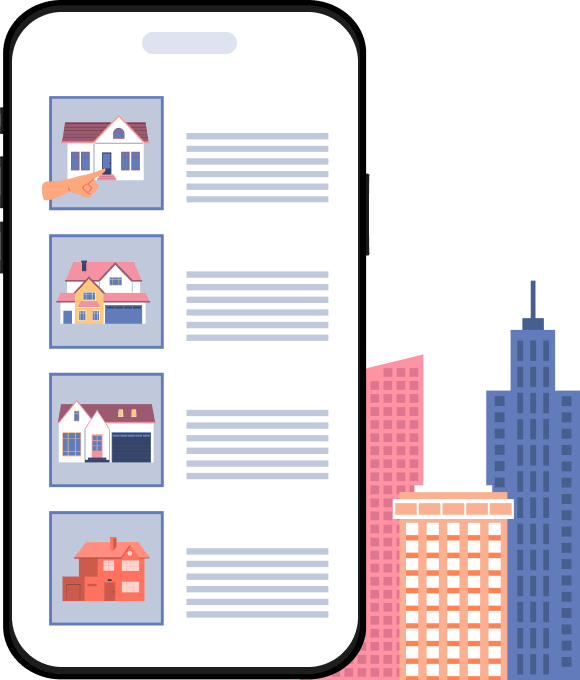
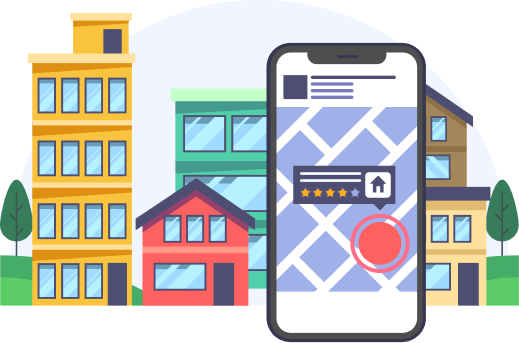
Build Smarter Commercial Real Estate App for Modern Property Operations
Commercial property teams handle complex operations every day. These workflows often sit across different tools. This slows decisions and creates gaps across daily work. Commercial real estate app development brings key operations into one structured platform. It gives teams better control across properties, users, tasks, and performance.
A custom solution supports faster approvals, cleaner communication, and better reporting. It also helps managers track activity with more clarity. This improves visibility across the business and keeps operations moving with confidence.
Commercial Property App Solutions for Modern Real Estate Teams
Commercial real estate software development helps businesses create focused platforms for property operations, tenant service, and investment workflows. Each solution matches real business needs and supports smoother daily management.
Commercial Lease Management
Manage lease activity through one connected platform. This helps teams reduce manual work and keep important updates easy to track.
Key Capabilities
- Track lease records with better clarity
- Manage renewals without manual gaps
- View payment schedules in one place
- Keep approvals simple and organized
Tenant Portal Application
Give tenants a simple digital space to manage requests and view updates. This improves communication and enhances service experience.
Key Capabilities
- Allow tenants to raise service requests
- Share updates through one portal
- Give access to key property details
- Improve response speed and support
Broker and Agent Dashboard
Help brokers manage listings, deals, and client activity with more control. This supports faster decisions and cleaner sales workflows.
Key Capabilities
- Manage active property listings
- Track leads and client actions
- View deal progress with clarity
- Support faster team coordination
Property Maintenance Application
Organize maintenance work through a simple digital system. This helps teams track issues, assign tasks, and monitor progress with ease.
Key Capabilities
- Record service requests in one place
- Assign vendor and repair tasks
- Track issue status in real time
- Improve maintenance response quality
Commercial Property Portfolio Platform
Give decision makers a clear view of property performance. This helps businesses understand asset health and plan better growth actions.
Key Capabilities
- View occupancy and asset activity
- Track property performance trends
- Compare portfolio data with ease
- Support stronger business decisions
Commercial Real Estate Investment Platform
Create a clearer digital experience for investors. This platform can support asset insights, reports, documents, and performance updates.
Key Capabilities
- Share asset data with investors
- Track investment performance clearly
- Manage documents in one system
- Support better portfolio visibility

Property Data Layer
Clean data builds the foundation for every property decision. This structure keeps asset details, user roles, and updates organized in one reliable system.

Lease Workflow Layer
Smart workflow control helps teams manage lease activity with more speed and clarity. It supports reviews and task movement without scattered follow ups.

Tenant Communication Layer
Direct communication creates a smoother experience for tenants and property teams. It keeps requests and service activity easy to manage through one space.

Payment and Billing Layer
Secure billing control helps teams track financial activity with trust. It supports payment visibility and transaction updates without switching between tools.

Analytics and Reporting Layer
Actionable insights turn property activity into clear business direction. Leaders can review performance trends and portfolio progress with better visibility.

Integration Layer
Connected systems reduce repeated work across daily operations. The platform can sync with accounting, document, and reporting tools for smoother control.

1

2

3

4

5

6

7

8
Build a Scalable Platform for Commercial Property Teams
Ready to simplify property operations and improve control across every asset? Teqnovos delivers commercial real estate app development services to help businesses launch a smarter platform built for growth.
Why Choose Teqnovos for Commercial Real Estate App Development Service
Teqnovos builds commercial property platforms around real asset workflows. As a real estate app development company, we plan each module around lease activity and investor reporting. This helps businesses launch a scalable platform ready for daily operations.
Support for lease tracking and renewal flows
Tenant portal planning for service updates
Maintenance ticket logic for property teams
Broker dashboard flows for deal movement
Portfolio views for asset performance
User roles for owners, brokers, tenants, and teams
Separate dashboards for each user type
Structured data flows across property modules
Scalable setup for more assets and users
Flexible features for future upgrades
Clear tracking for task approvals and updates
Better visibility across commercial assets
Organized document and contract access
Payment status views for finance teams
Reporting tools for faster decisions
Discovery focused on real estate operations
Feature planning based on business workflows
Smooth integration with existing tools
Testing across core property use cases
Post launch support for platform growth
| Factor | Traditional Property Tools | Standard Commercial Real Estate App | Teqnovos Commercial Real Estate App |
|---|---|---|---|
| Lease tracking | Lease details stay scattered across files | Lease activity becomes easier to view | Custom lease workflows support better control |
| Tenant service | Requests can get delayed | Tenants can send requests through an app | Tenant service flows match business needs |
| Maintenance control | Teams rely on manual updates | Tasks can move through a digital system | Maintenance workflows connect teams, vendors, and updates |
| Portfolio reporting | Reports take more time to prepare | Basic dashboards show property data | Custom reports show asset performance and business insights |
| Payment visibility | Payment status needs manual checks | Payment updates become easier to track | Billing views can connect with finance tools |
| Team access | Access depends on shared files | Users get app access | Role based access keeps teams and data organized |
| Scalability | Growth creates more manual work | The app supports more users | The platform scales with asset teams and features |

Faster Lease Decisions
Lease activity moves faster when teams can view tasks and approvals in one place. This helps reduce delays and keeps important actions visible.

Better Tenant Experience
Tenants expect quick updates and simple support. A connected platform helps teams respond faster and keep service activity easier to manage.

Clear Asset Visibility
Property leaders need a clear view of each asset. Digital systems help track performance activity and key updates without manual searching.

Stronger Portfolio Reporting
Better reports help leaders understand property performance. Teams can review trends and make stronger growth decisions with business data.
Get Started with App Development for Commercial Real Estate Platform
Create a platform that fits real property workflows. Teqnovos helps businesses turn complex operations into clean digital experiences for teams and investors.
Future of Real Estate Mobile App Development for Commercial Assets
Commercial assets are becoming more connected and data driven. Real estate mobile app development helps property businesses build smarter tools for faster service and stronger portfolio visibility. Future ready platforms can support automation insights and mobile access across every key workflow.

AI Based Lease Insights
Smart lease insights help teams review key activity with more speed. The system highlights renewal patterns, payment risks, and tenant actions that need attention.
Why choose this solution?
- Track renewal patterns early
- Identify payment risk signals
- Review lease activity faster
- Improve lease planning decisions

Predictive Maintenance
Predictive maintenance helps property teams prevent service delays. It can track asset condition and alert teams before small issues affect daily operations.
Why choose this solution?
- Detect service issues early
- Reduce emergency repair work
- Improve vendor task planning
- Support better asset care

Smart Tenant Portals
Smart tenant portals create a better service experience. Tenants can send requests, view updates, and access important details through a simple mobile interface.
Why choose this solution?
- Support faster tenant request
- Share service updates clearly
- Improve tenant communication
- Simplify daily support tasks

Digital Twin Property Views
Digital twin views help teams understand property performance in a visual way. They can support asset planning, space usage, and maintenance decisions.
Why choose this solution?
- View property layouts clearly
- Track space usage patterns
- Support better asset planning
- Improve maintenance decisions
Investor Dashboards
Investor dashboards make portfolio updates easier to review. Businesses can share asset performance revenue trends and key reports through one secure view.
Why choose this solution?
- Share portfolio updates faster
- Track asset performance clearly
- Review revenue trends easily
- Support investor confidence

Automated Compliance Workflows
Automated compliance workflows help teams manage records and policy tasks with less manual effort. This supports cleaner operations and stronger control.
Why choose this solution?
- Manage approvals with clarity
- Keep records easy to access
- Reduce manual compliance tasks
- Improve operational control
Portfolio Features for Smarter Commercial Real Estate Decisions
Commercial real estate platforms should help leaders review assets with clarity. Real estate investment app development adds tools for portfolio tracking and performance reporting. Businesses can also plan fractional ownership or digital asset models via real estate tokenization platform development for secure ownership workflows.
Asset Performance Dashboard
A clear dashboard helps leaders track each asset with confidence. It shows property activity and operational updates in one place. This supports stronger planning across every commercial property.
- Track asset performance in real time
- Review occupancy and income movement
- Monitor property activity with ease
- Support stronger planning decisions
Investor Access Panel
Investors need a simple way to view key updates. A secure panel can show reports, documents, asset details, and performance insights. This creates a more transparent investment experience.
- Share asset updates with investors
- Give access to key reports
- Keep investment data easy to view
- Improve investor communication
Occupancy and Revenue View
Property teams need clear visibility into space use and income flow. This feature helps track occupancy levels, rent status, and revenue movement. It also helps teams spot gaps early.
- Track occupied and vacant spaces
- Review the rent status clearly
- Monitor revenue movement faster
- Identify performance gaps early
Portfolio Comparison
Portfolio comparison helps leaders review assets side by side. Teams can compare performance, tenant activity, revenue, and growth potential. This makes investment planning more structured.
- Compare assets in one view
- Review tenant activity by property
- Track revenue trends across assets
- Support better investment planning
Deal Document Control
Commercial deals involve important records and approvals. A document control feature keeps files organized and easy to access. It helps teams reduce confusion during deal review and reporting.
- Store deal documents securely
- Keep approvals easy to track
- Reduce document search time
- Support cleaner investor reporting
Custom Reporting
Every business needs reports that match its goals. Custom reporting helps teams create investor summaries and performance views. This gives decision makers the right data at the right time.
- Create reports for business goals
- Share investor summaries faster
- Review asset data with clarity
- Support smarter growth decisions
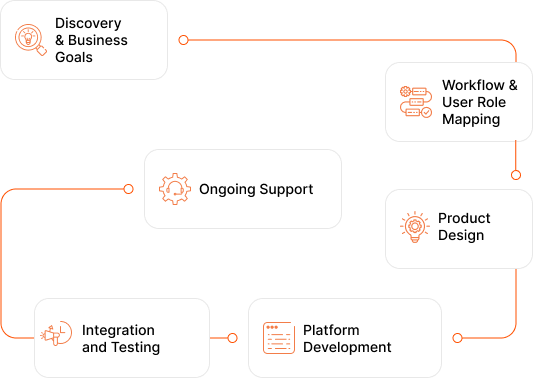
Discovery and Business Goals
The process begins with business goals and current property challenges. The team studies how lease tenants and reports move across the business. This helps define the right platform scope and avoids adding features that do not support real operations.
Workflow and User Role Mapping
Role mapping gives each user a clear journey inside the platform. Owners, managers, tenants, and investors need different access and actions. This step shapes dashboards and task flows around daily commercial property work.
Product Design
Design planning turns property workflows into simple screens. The team plans lease views, tenant portals, broker pipelines, and portfolio dashboards. Each feature must support fast action and clear decision making.
Platform Development
Development builds the core modules with secure access and clean data flow. The platform connects users’ property records, documents, and reports inside one system. This helps teams manage commercial assets without scattered tools.
Integration and Testing
Integration connects the platform with useful business systems. These can include payment tools, accounting software, and reporting tools. Testing checks user journeys, security, and key property workflows before launch.
Ongoing Support
Launch prepares the platform for real users and daily activity. Real estate app developers check the final workflows, user access, and handover details. Ongoing support helps improve and fix issues to scale the platform as the property portfolio grows.
Common Mistakes to Avoid in Commercial Real Estate App Development
A commercial property platform must stay secure and easy to use. Weak planning in commercial real estate app development can slow teams and reduce platform value. Clear awareness of these risks helps businesses build a stronger system for daily property operations.

Lease Workflow Gaps
Unclear lease steps slow approvals and renewals
Missed reminders can affect tenant communication
Poor document flow creates search delays
Weak tracking makes lease activity hard to manage

Tenant Portal Issues
Confusing screens reduce tenant usage
Slow request flows increase support pressure
Missing updates create service gaps
Poor access makes tenants return to calls and emails

Data and Access Risks
Weak user roles expose sensitive property data
Poor permission control creates security issues
Unprotected documents affect business privacy
Missing activity logs reduce internal control

Integration and Reporting Gap
Disconnected tools create duplicate work
Poor payment sync affects finance visibility
Basic reports limit portfolio decisions
Weak data flow slows long term growth
What makes Teqnovos different
Scalable Digital Solutions To Power Business Growth
Business success is our benchmark. At Teqnovos, we design and develop custom mobile applications that solve real operational challenges. Our solutions enhance customer experiences and support long-term scalability. By aligning technology with your workflows and market needs, we ensure every solution delivers lasting value.
About Teqnovos
Teqnovos’ team provides custom mobile app solutions to gain a competitive advantage in a growing market. Digital readiness helps businesses build loyalty and scale sustainably. Businesses are moving toward digital experiences that support convenience and speed. Mobile app development plays a key role in meeting these expectations. A well-planned app helps improve customer engagement and repeat purchases. It also gives businesses better control over branding, operations, and data. Book a free consultation with us to become a powerful growth channel in the market.

Frequently Asked Questions
The cost depends on product scope, user roles, feature depth, and reporting needs. A simple platform costs less than a system with tenant portals, broker dashboards, payment workflows, and portfolio analytics. Clear planning helps control the budget before development starts.
The timeline depends on the number of modules and user journeys. A basic platform can move faster. A larger product with lease workflows, tenant access, maintenance tracking, and investor reporting needs more time to launch.
Businesses should define workflows, feature priorities, data sources, and integration needs before development starts. This helps the team avoid rework and build a platform that fits daily property operations.
A real estate investment app development connects with payment systems, accounting tools, document storage, and customer management software. Integration planning should happen early so data moves smoothly across the platform.
Data migration starts with reviewing existing property tenant lease and finance records. The team organizes and maps the data before moving it into the new platform. This helps reduce errors and keeps information ready for live use.
Access control should match each user type. Everyone, including owners and vendors, needs different permissions. A secure structure helps protect sensitive data and keeps each workflow clear inside the platform.
A well planned product can support more properties, users, modules, and integrations over time. Scalable architecture helps businesses add new features without rebuilding the whole system.