

























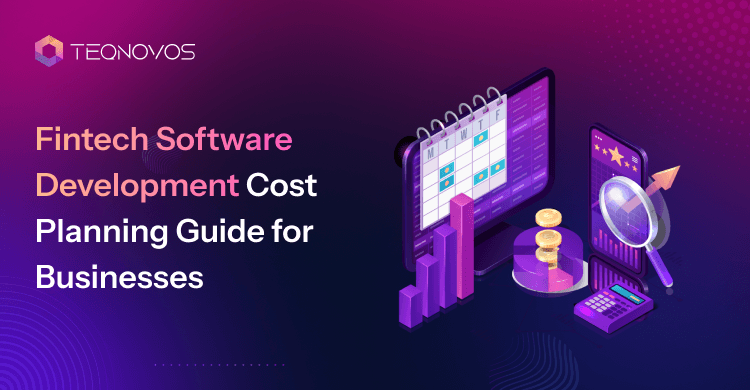
Fintech Software Development Cost Planning Guide for Businesses
Fintech software needs a clear budget before the first feature moves into development. The cost depends on how the product handles money movement and security compliance checks.
The fintech software development cost changes with the product type and the level of control a business needs. It changes with product type and the backend workflow for the system. Every platform may have different requirements.
A planned budget helps business teams avoid weak architecture and costly rebuilds. This guide breaks down the real cost factors so companies can plan a fintech product with more clarity and long-term control.
How Much Does It Cost to Build Fintech Software?
The average fintech app development cost starts around $30000 for a focused product. A mid scope platform can move between $70000 and $150000. An advanced fintech system can reach $300000 or more when it needs advanced workflows.
| Product Scope | Estimated Cost | What this usually covers |
| Basic fintech product | $30000 to $70000 | User signup profile, set up basic dashboard, payment flow, admin panel, and standard testing |
| Mid scope fintech platform | $70000 to $150000 | Custom user roles, payment gateway user verification, reports stronger security, and core integrations |
| Advanced fintech system | $150000 to $300000 plus | Complex backend logic, bank integrations, fraud checks, audit logs, AI features, compliance modules, and scaling support |
Enterprise fintech platforms can cross $500000 when the product needs multi market compliance, advanced automation, high traffic architecture, and several banking connections.
The cost to build fintech software rises when a product needs transaction flow and secure data handling. Businesses can keep the MVP lean by starting with the core workflow instead of building every feature at launch.
The cost to build a fintech app also changes when the project needs mobile apps, web panels, and admin controls together. More platforms create more design work and launch planning. A clear scope helps the team protect the budget and build a product that can scale after release.
Need a Fintech Cost Estimate? Let's Discuss!
Schedule a CallWhat Affects Fintech Software Development Cost?
The cost to build a fintech app changes when the product needs more than basic screens. A fintech platform manages data security and transactions. Each area adds planning and support work. It also makes fintech software development more aligned with long term business needs.
1. Product Scope
The biggest impact on the budget is caused by the product scope. Different products have various requirements. For example, a wallet may need to view the transaction history, but a lending platform may need to view borrower profiles. A clear project scope of the product saves money.
2. User Roles
Fintech products often serve customers, agents, vendors, compliance teams, and support teams. Each role needs different dashboard actions, access rules, and reports. More roles increase design work and testing effort.
3. Security Depth
Security can raise the cost fast. Fintech platforms need secure login and encrypted data. They also need features for payment protection from fraud and threats. Weak security may reduce early cost, but it can create larger business risk after launch.
4. Compliance Workflows
Compliance workflows need careful budget planning. The product may need user verification, audit trails, transaction monitoring, and report generation. These workflows need extra backend work and detailed testing because financial products cannot depend on surface level checks.
5. Integration Needs
Bank integrations, payment gateways, third party APIs, and analytics tools also affect the final cost. Each integration needs setup, data mapping, error handling, and testing. A product built for mobile and web needs more interface work and quality checks.
6. Platform Control
Businesses that need a custom mobile app development company support often need stronger planning across platform choice and future scaling. Custom fintech software development gives more control over features and architecture.
How Different Fintech Product Types Change the Development Budget
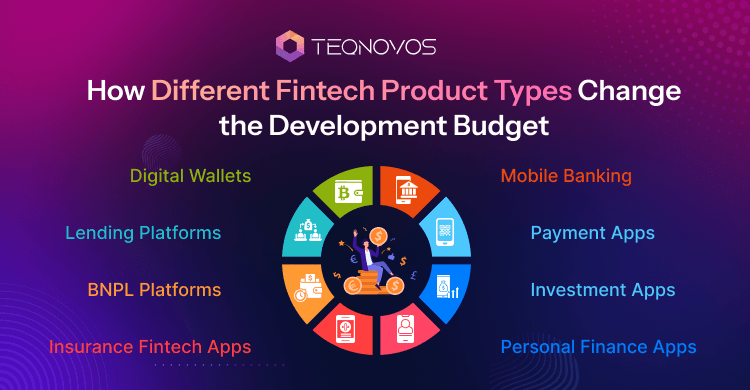
The fintech app development cost changes by product type because each model carries different workflows and backend depth. The cost to build fintech software depends on how the product manages money movement and risk control across. A simple finance app may start with fewer workflows. A lending or banking product needs stronger logic and deeper operational control.
1. Digital Wallets
Focused wallet products need a smooth transaction flow and fast user access. The budget depends on how many payment actions the wallet supports and how much control the admin team needs.
- User onboarding and wallet setup
- Balance view and transaction history
- Card linking and payment gateway setup
- Merchant access rewards or multi currency support
2. Mobile Banking
Regulated banking products demand stronger control over account activity and user access. The banking app development cost grows when the product needs fraud monitoring and AI banking software development support.
- Account access and fund transfers
- Transaction records and real time alerts
- Fraud checks and audit visibility
- Role based access and admin control
3. Lending Platforms
Credit driven products need more backend logic than many other fintech models. The lending app development cost depends on repayment control and risk scoring.
- Loan applications and borrower profiles
- Credit rules and approval workflows
- Repayment schedules and collection flows
- Risk scoring and compliance reporting
4. Payment Apps
Transactional products need accuracy and strong failure handling. The budget changes when the app manages refunds, disputes, merchant dashboards, and settlement records.
- Payment gateway integration
- Real time transaction updates
- Refund and dispute handling
- Merchant panel and settlement tracking
5. BNPL Platforms
Payment models focused on growth need clear repayment logic and merchant coordination. Businesses planning this model can use BNPL app development services to plan approval flows, repayment rules, and platform control.
- User approval and spending limits
- Installment plans and due date tracking
- Merchant dashboard and order records
- Late fee logic and repayment alerts
6. Investment Apps
Data heavy investment products need secure dashboards and accurate market activity. Investment app development services help plan dashboards and secure investment workflows.
- Portfolio tracking and account dashboard
- Market data integration
- Reports and automated alerts
- Secure payment and withdrawal flow
7. Insurance Fintech Apps
Claim based platforms need structured workflows for users, agents, and admin teams. Plan secure transactions and connect policy access with insurance app development services.
- Quote and policy management
- Claim submission and review flow
- Agent access and admin approvals
- Payment tracking and document checks
8. Personal Finance Apps
Planning focused finance apps can start lean at the MVP stage. The budget grows when the product adds bank connections, AI insights, analytics, and advanced automation.
- Expense tracking and budget planning
- Account linking and spending reports
- Alerts and goal based insights
- AI analytics and deeper bank connections
How Core Features Shape the Cost of a Fintech Product
The cost to build a fintech app depends on how many workflows the product needs and how deeply each feature connects with backend logic. Some fintech app features look simple on the screen, but need strong data rules and admin control behind them. This is why businesses need to map core features before they choose full fintech app development services.
1. User Onboarding
Strong onboarding reduces drop offs and keeps user data structured from the start. The cost increases when the product needs document uploads, profile checks, approval steps, and user status tracking.
Key cost areas:
- Signup flow
- Profile setup
- Document upload
- User status control
2. Payment Flow
Money movement needs accuracy and secure processing. The budget grows when the product needs payment gateway setup, refund handling, transaction status updates, and settlement records.
Key cost areas:
- Payment gateway setup
- Transaction history
- Refund handling
- Settlement tracking
3. Credit Logic
Lending and banking products need deeper decision workflows. Credit scoring, loan calculators, repayment rules, and approval flows add more backend work and testing.
Key cost areas:
- Loan calculator
- Credit scoring
- Approval rules
- Repayment schedules
4. Admin Control
Manage user transactions, reports, risks, and support actions. Having more admin access means more dashboard access, rules, data views, and approval layers.
Key cost areas:
- Admin dashboard
- Reports
- Role based access
- User activity logs
5. Fraud Alerts
Fraud alerts add another layer of product safety. They need transaction monitoring and review workflows. Businesses can use fintech app security solutions when planning fraud control and secure product workflows.
Key cost areas:
- Fraud alerts
- Risk flags
- Review workflows
- Security logs
Start Your Fintech Product With the Right Scope. Talk to Our Fintech Experts!
Schedule a CallWhy Security and Compliance Add More Work to Fintech Builds
Financial products need stronger control than standard apps. They manage account activity and sensitive financial data. These areas add backend checks and monitoring tools. This increases the cost to build fintech software, but it also protects the product after launch.
- Data Protection: Critical safeguards keep transaction data and account details secure across the platform. This area adds work through encryption, secure storage, session control, and access limits.
- Verification: Reliable checks keep onboarding clean and reduce fake account activity before users access key product features. This adds cost through document checks and risk flags.
- Audit Trails: Clear tracking gives teams visibility into user actions, admin activity, and transaction movement. This supports internal review and compliance reports.
- Fraud Monitoring: Proactive monitoring helps teams detect unusual account activity and suspicious behavior. Strong fintech app security adds fraud alerts, review workflows, and security logs.
- Compliance Workflows: Structured workflows help financial products manage transaction monitoring and audit readiness. Businesses can also plan stronger control through anti money laundering software development.
- Access Control: Precise role management keeps sensitive actions limited to the right users. This supports admin control, supports access compliance review, and secures team operations.
How AI Features Change the Budget of a Fintech Product
Smart automation can make a fintech product more useful. It also adds planning model logic and support work. AI in fintech affects cost when the product needs smarter risk checks or automated decisions. AI solutions for fintech can help businesses choose advanced workflows.
1. Fraud Detection
Proactive models help teams spot unusual behavior across payments, logins, and transactions.
- Real time risk alerts
- Suspicious activity checks
- Review workflow triggers
- Security team dashboard
2. Risk Scoring
Stronger decision logic helps lending and banking teams review users with better control. AI fintech app development adds cost when the score connects with credit rules, repayment history, and approval flows.
- User risk profiles
- Credit rule mapping
- Decision support logic
- Admin review controls
3. Smart Onboarding
Guided onboarding reduces manual review and helps teams move users through verification faster. It becomes more complex when the system checks the documents, user behavior, and risk status together.
- User data checks
- Document review support
- Onboarding status flow
- Risk flag updates
4. Transaction Analysis
Advanced tracking helps businesses read transaction behavior and detect patterns across user activity. AI in fintech adds value here because teams can use insights for risk control and support actions.
- Spending pattern analysis
- Transaction behavior reports
- Anomaly detection
- Business insight dashboard
5. Customer Support Chatbot
Automated support can reduce pressure on service teams and answer common user issues faster. AI fintech app development needs extra work when the chatbot connects with account data, tickets, and user history.
- User query handling
- Ticket routing
- Account support flows
- Support history tracking
6. Automation Workflows
Smart workflows help teams reduce manual actions across approvals, reviews, alerts, and reporting. These features add cost but improve accuracy and operational control.
- Loan approval support
- Fraud review routing
- Report automation
- Personal finance insights
How Hiring Models Affect a Fintech Product Budget
The team model has a direct impact on cost and long term control. A fintech product needs people who understand backend logic and post launch support. The right hiring model helps businesses control the budget without weakening the product.
- Freelancers: Flexible hiring can support small tasks and limited product updates. This model can reduce the starting cost, but it may create gaps when the product needs steady architecture security review and long term accountability.
- In-house team: Direct control helps businesses manage product decisions closely. The budget increases because salaries, hiring tools, and retention become ongoing expenses. This model works better when the company has a long product roadmap and enough internal management capacity.
- Outsourced Team: Faster delivery becomes possible when a business works with an experienced fintech software development company. This model helps teams access fintech skills without building a full internal department. It also supports planning and launch under one delivery structure.
- Dedicated Developers: Focused developers help businesses scale work without long hiring cycles. Companies can hire fintech app developers for product specific workflows or hire dedicated developers for long term delivery needs. This model gives better flexibility when the product needs steady updates.
- Full Product Team: A complete team works better for complex fintech products that need product strategy and release planning. This model supports custom fintech software development with stronger delivery ownership and better quality control.
- Post Launch Support Team: Ongoing support protects the product after release. Businesses that invest in fintech app development services with maintenance can manage bug fixes and new feature rollouts with better control.
How Each Development Stage Changes the Fintech Budget
The fintech app development timeline affects the final budget because each stage needs a different level of planning and testing. A rushed build may reduce time at the start. It can still increase risk later through weak security and rebuilding work. The fintech software development cost stays easier to manage when the timeline gives enough space for discovery and launch support.
| Development Stage | Cost Impact |
| Discovery planning | Teams define product scope, user roles, compliance needs, core workflows, and technical priorities. Clear planning reduces expensive changes during development. |
| Product design | Designers map the user journey, mobile screens, dashboard flow, and admin actions. Strong design helps business teams review product logic before backend work starts. |
| Backend build | Developers create transaction logic, user access, payment flow, reports, risk checks, and data control. This stage often takes more time in fintech products. |
| Frontend build | Teams build mobile screens, web panels, dashboards, and user actions. More platforms increase design review and release work. |
| Integration work | Payment gateways, bank APIs, verification tools, analytics systems, and third party services need setup error handling and testing. |
| Quality testing | Testing checks security payment flow, user roles, reports transaction activity, and edge cases. This stage protects the product before launch. |
| Launch setup | Deployment monitoring and release support prepare the product for real users. The cost to build a fintech app also depends on how much post launch control the business needs. |
A realistic timeline helps teams protect product quality without adding avoidable cost. Fintech projects need enough time for technical review and integration testing. This gives the business better control over launch risk and long term product stability.
How Businesses Can Control the Budget Before Fintech Development Starts
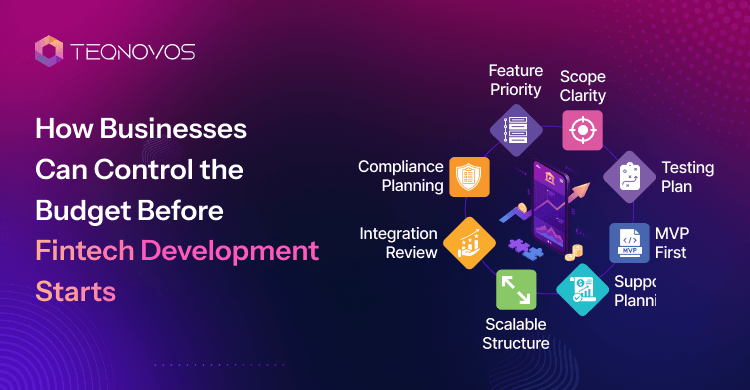
The fintech app development cost becomes easier to manage when the business locks the core product flow early. Fintech budgets often increase when teams add unclear user roles and admin actions during development. A sharper plan keeps the MVP focused and reduces rebuild work after launch.
1. Scope Clarity
Strong planning starts with the main money flow and user journey. The team needs to define what users can do, what admins can control, and what data the product must track.
- User roles and access levels
- Payment or lending workflows
- Admin review actions
- Reports and audit logs
2. MVP First
Focused delivery keeps the first release practical. A fintech MVP needs the core workflow first, instead of every advanced feature planned for later growth.
- Core user onboarding
- Main transaction flow
- Basic admin control
- Essential security checks
3. Feature Priority
Smart feature planning helps control the cost to build fintech software. Teams can add advanced dashboards, AI logic, automation, and analytics after the product has real users and clear usage data.
- Launch ready features first
- Advanced tools in later phases
- Clear feature ownership
- No duplicate workflows
4. Compliance Planning
Early compliance planning reduces future cost. Fintech products need user verification, transaction monitoring, audit trails, and reporting logic planned before backend development starts.
- User verification flow
- Transaction monitoring rules
- Audit trail planning
- Compliance report structure
5. Integration Review
Careful integration planning protects the budget. Bank APIs, payment gateways, identity tools, and analytics systems need technical review before development begins.
- Payment gateway selection
- Bank API requirements
- Third party tool limits
- Error handling needs
6. Scalable Structure
Clean architecture helps the product grow without major rebuilds. The data structure needs to support future roles, new reports, more transactions, and added integrations.
- Scalable backend logic
- Clean data structure
- Future role expansion
- Multi platform readiness
7. Testing Plan
Detailed testing reduces post launch issues. Fintech products need careful checks across payments, user roles, admin actions, reports, and security rules.
- Payment flow testing
- Role based access testing
- Admin action checks
- Security review cycles
8. Support Planning
A reliable fintech software development company plans support before launch. This helps businesses manage bug updates, performance checks, and new feature releases with better control.
- Bug fix process
- Security updates
- Performance monitoring
- Feature release planning
Bottom Line
The final fintech software development cost depends on security needs and integrations. A simple finance product can start with a focused MVP. However, a payment platform needs deeper backend logic and stronger access control.
Businesses can control the budget by planning the core workflow first. They need to define transaction flow and integration points before development starts. This keeps the first release practical and reduces expensive changes later.
The cost to build a fintech app becomes easier to estimate when the product roadmap separates launch features from future upgrades. This approach helps teams build a stable product first. It also gives the business more control over scaling security and long term product growth.
Connect with Teqnovos to start building your fintech app. Get your free consultation call with us today!