
















SaaS for Supply Chain Management (SCM): The Future of Business
Supply chains now move faster than ever. Businesses need better visibility across inventory orders, suppliers, warehouses, and shipments. Manual systems often slow down decisions and create data gaps. This can lead to stock issues, delayed deliveries, and weak customer experience.
This is why SaaS supply chain management software has become a practical choice for growing businesses. It helps teams manage daily supply chain tasks through a cloud-based platform. Businesses that need a tailored product can work with a SaaS development company in USA to build secure, scalable, and workflow driven platforms.
This guide explains what SaaS supply chain software is. It also covers key features, benefits, use cases, AI impact, development steps, and why businesses choose custom platforms for supply chain growth.
Quick Tip:
SaaS supply chain management software is a cloud based platform that helps businesses manage inventory orders and delivery workflows. It gives teams real time visibility and better control over supply chain operations. It also helps reduce manual work and improve planning through automation, analytics, and connected data.
What Is SaaS Supply Chain Management Software?
SaaS supply chain software helps businesses manage supply chain operations through an online platform. Teams can access the system through a browser or app. They do not need heavy local infrastructure or separate desktop software.
A SaaS model gives businesses more flexibility. It allows teams to manage inventory and order fulfillment. They also enable them to efficiently handle shipping and reporting from one connected system. This helps businesses respond faster when demand changes or delivery issues appear.
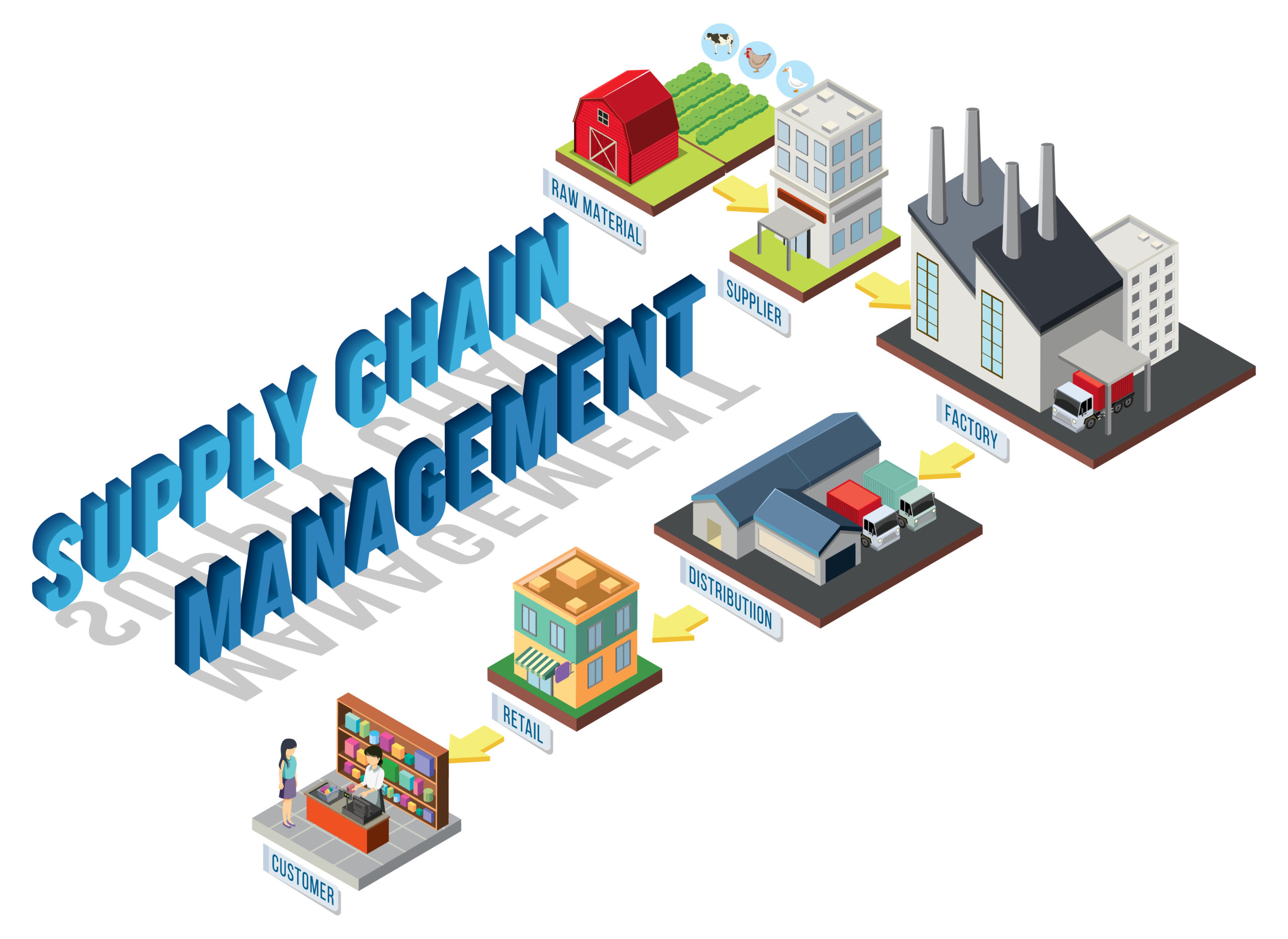
Traditional supply chain systems often depend on manual records and disconnected tools. A cloud based platform improves visibility across every stage. It connects teams, suppliers, and logistics partners through shared data.
Many industries now use cloud supply chain tools. These include logistics, e-commerce, and retail. A few more include manufacturing, healthcare, automotive, and FMCG. Each industry needs better control over stock movement, delivery timelines, and fulfillment speed.
Why Businesses Need SaaS Based Supply Chain Solutions
Businesses are under pressure to deliver faster and reduce operational waste. Customers expect accurate order updates and quick delivery. Internal teams need real time access to inventory and shipment data.
Supply chain SaaS software helps solve these problems. It brings key data into one platform. It reduces the need for manual tracking and scattered spreadsheets. It also helps teams make faster decisions with better information.
SaaS platforms are also easier to scale. Businesses can add more users, locations, and warehouses as operations grow. This makes cloud supply chain management software useful for companies that want long term flexibility.
Cost control is another major reason behind demand. SaaS platforms reduce the need for heavy upfront software setup. Businesses can use a subscription model and upgrade when needed. This makes the system more practical for startups, midsized firms, and enterprise teams.
Key Features of SaaS Supply Chain Management Software
A strong SaaS supply chain platform needs more than basic inventory tracking. It needs features that support planning, execution, reporting, and decision making.
Inventory Tracking
Inventory tracking helps teams view stock levels across warehouses, stores, and fulfilment centers. It reduces stockouts and overstocking. It also helps teams understand which products move faster.
Demand Planning
Demand planning helps businesses forecast product needs based on sales trends and market activity. It supports better purchasing and production decisions.
Warehouse Management
Warehouse management helps control receiving, storage, and picking shipments. They also manage packing and dispatch. It improves order accuracy and reduces delays inside fulfillment workflows.
Order Management
Order management connects sales orders, fulfilment steps, and delivery updates. It helps teams process customer orders faster and with fewer errors.
Supplier Management
Supplier management helps businesses track supplier performance, pricing, and compliance. It supports better vendor decisions and stronger procurement control.
Transportation Management
Transportation management helps teams plan routes, manage carriers, and monitor delivery performance. It improves shipment visibility and cost control.
Real Time Reporting
Real time reporting gives decision makers clear insights into supply chain performance. Dashboards can show stock movement, delayed orders, supplier issues, and delivery trends.
Role-Based Dashboards
Role based dashboards give each team the data they need. Operations teams can track fulfilment. Finance teams can view cost data. Managers can review performance from one place.
Build a Smarter Supply Chain Platform —Talk to Our SaaS Experts!
Schedule a CallBenefits of SaaS Supply Chain Management Software
A SaaS supply chain platform gives businesses more control over daily operations. It helps teams reduce delays and improve the way goods move from suppliers to customers.
Better Visibility
Real time visibility helps teams know what is happening across the supply chain. They can track stock orders, shipments, and supplier activity without waiting for manual updates.
Faster Decisions
Connected data helps managers act faster. Teams can identify bottlenecks before they affect delivery timelines. This not only improves planning but also customer service.
Lower Manual Work
Automation reduces repetitive tasks. Teams can automate alerts and order updates. They can also automate approval workflows. This helps employees focus on higher value work.
Improved Customer Experience
Customers expect accurate delivery information. SaaS SCM software supports faster updates and smoother fulfilment. This helps businesses build trust and reduce support pressure.
Scalable Operations
A SaaS platform grows with the business. It can support new warehouses, new regions, and more complex workflows without forcing a full system rebuild.
Reduced Operating Costs
Cloud based systems reduce the need for heavy local infrastructure. They also help reduce losses caused by stock errors, delayed orders, and poor planning.
How AI Improves SaaS Supply Chain Software
AI now plays a major role in modern supply chain platforms. It helps businesses move from reactive decisions to predictive planning.
AI supply chain software can analyse demand patterns and suggest better inventory levels. It can detect unusual order activity and flag supply risks early. It can also help teams predict delays based on carrier performance, weather patterns, and route data.
AI also improves route planning. It can suggest better delivery routes based on distance, traffic cost, and delivery priority. This helps logistics teams reduce delays and fuel costs.
Workflow automation is another important area. Businesses can connect supply chain tasks with AI workflow automation software development to reduce manual approvals and repetitive updates. This supports faster internal movement across sales, warehouse, and logistics teams.
AI powered analytics also helps leaders make better decisions. It can show which suppliers cause repeated delays. It can identify slow moving products. It can also suggest where inventory should be placed for faster fulfilment.
Industry Use Cases for SaaS Supply Chain Software
Different industries use SaaS supply chain platforms in different ways. The main goal stays the same. Businesses need better visibility, planning, and control.
Logistics
Logistics companies use SaaS platforms to manage routes and shipment performance. A business focused on SaaS logistics software development can build custom tools for dispatch tracking and delivery planning.
Ecommerce
Ecommerce businesses use supply chain platforms to manage product availability and warehouse updates. This helps improve customer experience and reduce failed delivery issues.
Manufacturing
Manufacturers use these systems to manage raw materials production schedules, supplier timelines, and finished goods movement. This not only helps in avoiding production delays but also helps them eliminate supply shortages as well.
Healthcare
Healthcare supply chains need accuracy and compliance. SaaS platforms can support stock tracking, expiry control, procurement, and secure distribution for medical products. Businesses handling claims, patient data, or policy workflows can also connect these systems with Insurance App Security Solutions to protect sensitive information and meet strict data security needs.
Retail
Retail businesses use cloud based supply chain software to track inventory across stores, warehouses, and online channels. This helps maintain better stock balance and faster replenishment.
SaaS SCM vs. On-Premise SCM
Businesses often compare SaaS supply chain platforms with traditional on premise systems. The right choice depends on budget control and internal resources.
| Area | SaaS SCM | On-Premise SCM |
| Setup | Faster cloud-based setup | Longer infrastructure setup |
| Cost | Subscription-based cost | Higher upfront investment |
| Access | Accessible through web and app | Often limited to local systems |
| Updates | Vendor-managed updates | Internal team manages updates |
| Scalability | Easier to scale | Scaling can need more hardware |
| Maintenance | Lower internal IT burden | Higher internal IT responsibility |
| Best For | Growing and distributed teams | Businesses with strict local control needs |
A SaaS model works well for businesses that need flexibility and faster deployment. On-premises systems can still fit companies that need full internal control over infrastructure.
How to Develop SaaS Supply Chain Software
Custom software development helps businesses build a platform around their real workflows. This is useful when ready-made tools do not match internal processes or industry needs.
Requirement Mapping
The first step is to map business workflows. This includes inventory movement, supplier data warehouse tasks, and reporting needs.
Feature Planning
The product team defines the core features. This can include inventory management, demand planning, warehouse control, and analytics.
Cloud Architecture
A strong SaaS platform needs a secure and scalable cloud architecture. This supports user access data storage system performance and future expansion.
UI Design
The platform needs simple dashboards. Users need clear screens for orders, stock, shipments, and reports. A clean interface helps teams adopt the system faster.
API Integration
Supply chain platforms often need ERP CRM accounting warehouse carrier and ecommerce integrations. API integration helps these systems share data without manual work.
AI and Automation Setup
AI and automation can support alerts, forecasting, and workflow approvals. This gives the platform stronger long term value.
Testing and Launch
Testing checks performance and security workflows. A smooth launch helps teams start using the platform with fewer disruptions.
Support and Scaling
The platform needs regular updates and technical support. Businesses can also hire dedicated developers to expand features and manage ongoing improvements.
What Affects the Cost of SaaS Supply Chain Software Development?
The cost of SaaS supply chain software development depends on the platform scope and feature depth. A basic inventory and order tracking system costs less than a full enterprise supply chain platform with AI analytics and multiple integrations.
Main cost factors include:
- Platform complexity
- Number of user roles
- Dashboard design
- Inventory and warehouse features
- AI forecasting tools
- Third-party integrations
- Cloud infrastructure
- Security requirements
- Mobile app support
- Testing and post-launch support
Businesses with complex operations often need custom modules. These may include supplier portals, route optimization tools, and compliance workflows.
A clear discovery phase helps control cost. It defines what the first version needs and what can be added later.
Common Challenges and How SaaS Solves Them
Supply chain teams often deal with disconnected systems. This creates slow reporting and weak visibility. SaaS platforms solve this by connecting data in one place.
Data migration can also be a challenge. Businesses may have years of inventory, supplier, and order data across spreadsheets or legacy tools. A proper migration plan helps move this data safely.
Integration is another key concern. A SaaS supply chain platform must connect with existing ERP, ecommerce warehouse, and accounting systems. This keeps workflows consistent.
Security also matters. Supply chain systems handle supplier contracts, order data, pricing details, and customer information. Secure access control and encryption help protect sensitive business data.
User adoption can affect success. Teams need simple dashboards training and a phased rollout. This helps users shift from manual tools to digital workflows with less resistance.
Reduce AI SaaS Product Development Cost With Smarter Planning —Start Your AI SaaS Project!
Schedule a CallWhy Choose Teqnovos for SaaS Supply Chain Software Development?
Teqnovos builds custom SaaS platforms for businesses that need better operational control. The company supports product planning, cloud architecture, and dashboard design. This also includes API integration, AI automation, and long term platform scaling.
Teqnovos can develop SaaS supply chain solutions for warehouse management workflow automation, demand planning, and supply planning.
The company also supports businesses across logistics, ecommerce, and automotive. Teqnovos helps their partners manage shipping and healthcare. Each solution can align with industry specific operations, user roles, and reporting needs.
Businesses can also use offshore software development services to build scalable platforms with flexible delivery support. This helps companies move faster while keeping development costs under control.
Teqnovos focuses on secure cloud based systems that support business growth. The goal is to build supply chain software that improves visibility, reduces manual work, and supports smarter decision making.
Future of SaaS Supply Chain Management
The future of supply chain management will depend on connected data and smarter automation. Businesses will need platforms that can predict demand and support fast operational decisions.
AI powered supply chain management will become more common. It will help teams forecast inventory needs, detect supplier delays, and reduce delivery failures.
IoT devices will also improve visibility. Sensors can track product location, temperature, movement, and condition. This is useful for healthcare, food retail, and high value shipments.
Sustainability tracking will also become important. Businesses will need better data on routes, fuel usage, waste supplier practices, and carbon impact.
SaaS platforms will continue to support this shift. They give businesses the flexibility to add new tools and scale operations without rebuilding the entire system.
Conclusion
SaaS supply chain management software helps businesses improve visibility, automation planning, and operational control. It connects inventory suppliers, warehouses, orders, and shipments through one cloud based platform.
Businesses that still depend on manual tracking can face delays, stock gaps, and weak reporting. A SaaS platform helps solve these problems with real time data and scalable workflows.
Teqnovos helps businesses build custom SaaS supply chain platforms that support real operational needs. A tailored solution can improve supply chain performance and create a stronger foundation for growth.