


























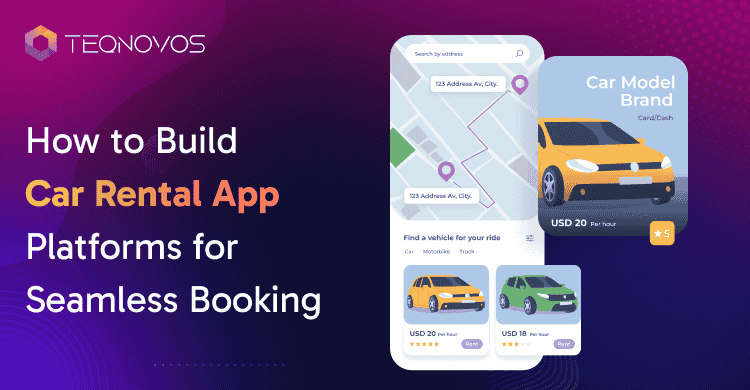
How to Build Car Rental App Platforms for Seamless Booking
Accelerate car rental app development with a secure platform built for real-time reservations with fleet visibility and operational control. A trusted car rental app development company delivers scalable architecture that supports digital bookings and business growth across modern mobility ecosystems. This blog will answer the question of users on how to build a car rental app like big enterprises.
Why Businesses Invest in Car Rental App Development?
Businesses invest in car rental app development because customer behavior now favors fast digital access. App-based booking simplifies search selection and payment in one place. This is where hiring on-demand app developers helps businesses to create real-time booking platforms that improve user access and service speed. This improves convenience for users and creates a smoother rental journey. It also helps businesses respond to rising demand with better speed and service consistency across daily operations.
A strong car rental app development service supports business growth through automation and better control. It reduces manual booking tasks to improve fleet visibility and support availability management. Decision makers also gain useful data for pricing with demand planning and customer engagement. This makes the platform efficient and ready for growth.
Key Business Models in Car Rental Apps
Car rental businesses can choose different models based on target users’ service goals and operational setup. The right structure shapes user flow and platform features from the start. This helps businesses understand how to build a taxi & car rental mobile app using Replit.
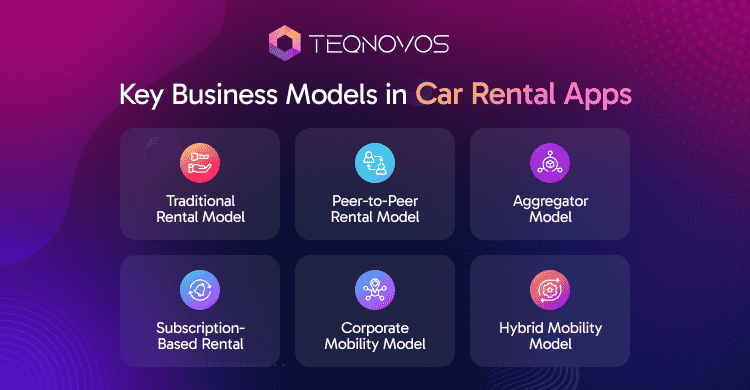
1. Traditional Rental Model
Assist businesses in managing their fleet and rental operations. It gives control over pricing and service quality. This suits companies that want a branded platform with direct customer relationships and steady operational oversight.
- Centralized fleet management
- Direct booking and payment flow
- Better control over pricing
- Strong brand ownership
2. Peer-to-Peer Rental Model
Connect vehicle owners with renters through one platform. It helps businesses enter the market without maintaining a large fleet. This model supports faster inventory growth and creates earning opportunities for private car owners.
- Asset-light business model
- Faster vehicle supply expansion
- Owner and renter dashboards
- Commission-based revenue setup
3. Aggregator Model
Handles multiple rental providers in one digital space. It helps users compare vehicle prices and availability in one place. This model works for businesses looking to create a booking marketplace and earn through partner listings.
- Multi-vendor platform structure
- Wide vehicle listing access
- Price comparison functionality
- Partner-based revenue model
4. Subscription-Based Rental Model
Vehicle access through recurring ideals instead of one-time bookings. It suits businesses looking for predictable revenue and user retention. Subscription rentals support flexible mobility needs for urban users and business clients.
- Monthly or recurring payments
- Better customer retention
- Flexible vehicle access plans
- Predictable revenue cycle
5. Corporate Mobility Model
Built for companies in need of vehicle access for employee travel and transport needs. It helps businesses manage bookings and usage under one system. This structure fits enterprises that want control over business travel and transport.
- Centralized business travel bookings
- Account-based billing setup
- Better fleet usage visibility
- Suitable for enterprise transport needs
6. Hybrid Mobility Model
A hybrid model combines multiple services within one platform, such as self-drive rentals, peer rentals, chauffeur bookings, or corporate access. It gives businesses more flexibility in service delivery and revenue planning.
- Multiple service models in one app
- Flexible user journey design
- Wider market reach potential
- Stronger revenue diversification
Digital Solutions for Car Rental App Development
Car rental businesses need platform solutions to match user behavior and business goals. A reliable mobile app development company can help businesses build stronger digital rental operations. Hire no replit developers to build a taxi & car rental mobile app through platform-specific experiences. It helps businesses launch reliable solutions to improve engagement.
1. iOS Car Rental App
An iOS app helps businesses reach users who expect a secure and premium mobile experience. It supports smooth navigation with bookings and secure payments. This solution works well for brands that want strong performance across Apple devices.
2. Web App for Car Rental
A web app gives users access to rental services without a mobile download. It helps businesses serve a wider audience through browsers on desktop and mobile. This solution supports booking management and account access through a digital interface.
3. Car Rental for Android
An Android app helps businesses reach a larger mobile user base with feature-rich booking access. It supports live availability and vehicle browsing with account management. This option is ideal for brands focused on scale and broader market adoption.
4. Custom Rental Apps
App development service for car rental business helps build platforms to fit specific service models and workflows. It supports feature planning platform integration and future needs. This makes the solution more aligned with business operations.
Build a Smarter Rental Experience With a Custom Car Rental App— Start Your Project Today.
Schedule a CallMust-Have Features for Car Rental App Development
A strong rental platform needs more than a booking screen. It needs a connected system to support users, vehicle owners, and business teams at every stage. The right features improve booking with reduced manual work and create a better user experience.
1. Easy Signup
Quick signup makes onboarding simple for new users. It allows account creation through email or phone number, and even social login. A smooth start reduces drop-offs and improves user engagement.
2. Smart Search
Search tools help users find the right car without delay. Filters for car type, rental period, and price improve discovery. This feature makes the platform more useful and easier to navigate.
3. Fast Booking
A fast booking flow reduces friction during reservations. Users review car details and select dates with confirmed pricing, and complete the booking. This keeps the process simple and efficient.
4. Secure Payments
This feature supports online transactions with invoices and refund handling. Essential for any business that wants to create car rental app solutions with a reliable payment experience.
5. Live Availability
Real-time availability keeps booking data accurate. It updates the car status instantly and prevents double bookings. This feature helps users make faster decisions because they can view open slots.
6. Fleet Control
Fleet management helps owners or operators manage vehicle listings in one place. It supports pricing updates and maintenance status. This keeps inventory organized and ready for bookings.
7. Booking Control
Booking control allows approval, rejection, rescheduling, and cancellation management. It gives operators oversight during the rental. This is important for service quality and smoother operations.
8. Admin Insights
An admin dashboard brings all core activity into one view. It tracks bookings, users’ earnings, commissions, and platform performance. Strong reporting helps businesses improve platform efficiency.
Advanced Use Cases in Car Rental App Development
Car rental platforms are customized to serve various niche markets, providing tailored solutions to meet diverse customer needs. Build taxi & car rental mobile app by hiring no code developers to help businesses differentiate and scale their services. They offer unique features to enhance user experience and satisfaction.
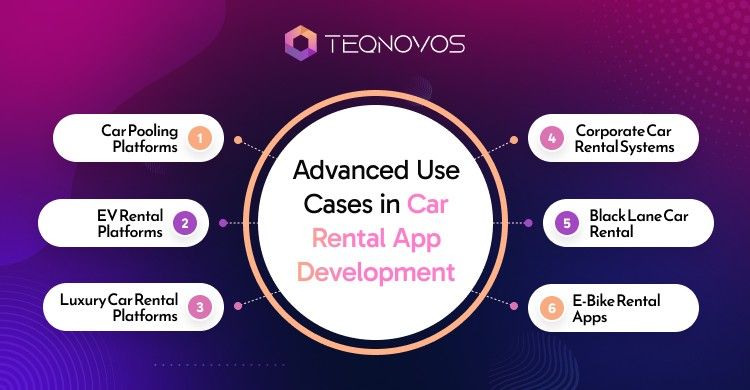
1. Car Pooling Platforms
This enables users to share rides with others. It optimizes vehicle usage and reduces transportation costs. This model works well in urban areas to address congestion and reduce environmental impact.
- Cost-effective solution for users
- Reduces traffic congestion
- Increases vehicle utilization
- Eco-friendly transportation option
2. EV Rental Platforms
Electric vehicle rental platforms cater to the growing demand for sustainable transport options. These platforms enable users to rent eco-friendly cars for short-term needs while promoting green mobility.
- Supports sustainable transport options
- Growing demand for electric vehicles
- Attracts eco-conscious users
- Lower operational costs with EVs
3. Luxury Car Rental Platforms
Cater to high-end customers who seek exclusive and premium vehicle experiences. These platforms provide rentals for luxury cars. They offer clients access to top brands for special occasions.
- Premium vehicles for exclusive experiences
- Attracts high-net-worth individuals
- Supports event-based rentals
- Flexible rental durations
4. Corporate Car Rental Systems
These platforms cater to businesses that need access to vehicles for employees or clients. These systems offer flexible pricing and centralized booking. This makes it easy to manage logistics.
- Centralized management for business needs
- Cost-effective employee transport solutions
- Streamlined corporate booking process
- Flexible payment options
5. Black Lane Car Rental
Chauffeur services like Black Lane provide users with a high-end transportation experience. These platforms offer premium cars with professional drivers, targeting travelers seeking luxury.
- Chauffeur-driven vehicles for premium experiences
- Ideal for corporate and leisure clients
- Pre-booking and flexible travel plans
- High standard of professional service
6. E-Bike Rental Apps
E-bike rental services provide users with eco-friendly and convenient transportation options. These platforms offer short-term rentals for electric bikes, catering to urban commuters and tourists in need of an efficient way to travel short distances.
- Sustainable and affordable transport
- Ideal for short-distance commuting
- Flexible rental periods
- Appeals to environmentally conscious users
Cost Factors in Car Rental App Development
The cost of car rental app development depends on the type of platform a business wants to launch. A simple booking solution needs less effort. A feature-rich system with fleet logic payment workflows and operations needs a deeper development scope.
Feature Scope
The number and depth of features directly affect the project cost. Core functions like search and payment require a lighter build. Advanced capabilities such as live tracking and automation fleet increase development time and technical effort.
Platform Coverage
The total cost also depends on the platforms selected for launch. Businesses may start with one platform to reduce early investment. A full rollout across iOS, Android, and web requires more design development and testing, which increases the total scope.
System Integrations
External integrations add important functionality but also increase complexity. All integrated third-party tools must work together without friction. Each connection adds development effort and affects the overall build cost.
Support and Scale
Post-launch support is part of the full investment. The platform needs updates and scaling support as usage grows. A well-maintained product stays stable and ready for business growth.
Build Your Car Rental App with Expert Guidance —Get a Custom Quote Today.
Schedule a CallHow to Build a Car Rental App Like Enterprise
Leading mobility platforms have shown that strong app design can reshape how people book vehicles and access transport services. Businesses now look to create booking apps for car rental to combine convenience and operational control in one digital experience.
Turo
Turo popularized the peer rental model by connecting private vehicle owners with renters through one platform. This approach reduced the need for large fleet ownership and opened new revenue opportunities. It is a strong reference for businesses planning a marketplace-driven rental app.
- Peer rental marketplace model
- Asset light platform setup
- Owner and renter workflows
- New revenue stream creation
Uber
Uber set the standard for fast booking and real-time service coordination. Its platform model highlights the value of instant access and streamlined payment flow. This structure is useful for businesses that want to add driver-based rental or mobility services.
- Instant booking experience
- Live tracking support
- Fast payment flow
- Driver-based mobility model
Lyft
Lyft is known for its clean user journey and pricing simplicity. The platform shows how easy navigation and clear fare visibility can improve trust and repeat usage. It is a useful example for businesses focused on customer-friendly booking experiences.
- Simple user experience
- Clear pricing visibility
- Smooth booking journey
- Better repeat usage potential
Zipcar
Zipcar built its platform around membership-based vehicle access. This model supports recurring revenue and encourages customer retention through flexible car usage plans. It works well for businesses targeting urban users and subscription-led mobility services.
- Membership access
- Recurring revenue model
- Flexible vehicle usage
- Urban mobility fit
Getaround
Getaround brought keyless access into the rental experience through connected vehicle technology. This model helps reduce manual handovers and improves convenience for owners and renters. It is a strong example for businesses planning smart access features.
- Keyless car access
- Reduced manual handovers
- Smart mobility features
- Better rental convenience
BlaBlaCar
BlaBlaCar expanded mobility through shared travel and ride matching. Its platform shows how community-based transport models can support cost savings and wider user adoption. This makes it relevant for businesses exploring ride-sharing or car-pooling solutions within a rental ecosystem.
- Shared travel model
- Ride matching system
- Lower travel cost value
- Broader user reach
Why Choose a Car Rental App Development Company
Building a rental platform requires more than app screens and booking forms. It needs the right technical approach and product strategy that supports growth from launch to scale.
1. Industry Experience
An experienced development company understands how rental businesses operate across bookings for vehicle availability and user management. This helps reduce planning gaps and supports better product decisions during development. Strong industry knowledge also improves the platform structure for real business use.
2. Scalable Architecture
Assists the platform in handling growing traffic and rising transaction volume without performance issues. It creates a stronger technical base for future growth. This is important for businesses that want to launch with confidence and scale without rebuilding core systems.
3. Custom Feature Development
Allows the platform to match specific business models and user needs instead of relying on generic software logic. It supports tailored workflows for fleet control and business reporting. This creates a more relevant and efficient product.
4. Long-Term Support
A strong development partner supports the platform beyond launch through updates and future enhancements. Long-term support helps the product stay stable and aligned with market changes. Hire no Replit developers to build a taxi & car rental mobile app for continuity as the platform needs evolve.
Bottom Line
Building a car rental app requires more than online booking. It needs a connected platform that supports business teams through smooth reservations and better fleet control.
The right development approach depends on business models and growth goals. Businesses can launch their rental car apps with custom solutions for better control and user experience.
Partnering with Teqnovos helps businesses build scalable car rental apps to improve bookings and support long-term mobility growth. Book a free consultation call with us today!