- Hire a Developer
 Android Developers
  iOS Developers
  Angular Developers
  DevOps Developers
  Laravel Developers
  MEAN Stack Developers
  MERN Stack Developers
  NestJS Developers
  NodeJS Developers
  NextJS Developers
  NuxtJS Developers
  Python Developers
  ReactJS Developers
  VueJS Developers
  WordPress Developers
  Shopify Developers
  BigCommerce Developers
  Salesforce Developers
 - AI Development
- Industries





Get in Touch
Why Planning Matters Before Development?
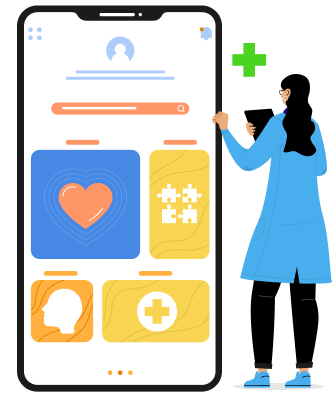
Mental health apps can handle mood records, therapy sessions, private notes, and other sensitive information. Before development begins, teams need to define the care model, user roles, data flows, feature boundaries, and crisis response process.
Early planning also helps separate general wellness support from clinical workflows. This gives the product team a clearer foundation for design, development, testing, and future scaling. Businesses planning broader healthcare products can also explore Teqnovos’ healthcare app development services.
Types of Mental Health Apps Businesses Can Build
The right product model depends on the audience, level of care, and intended user experience.
Mental wellness apps
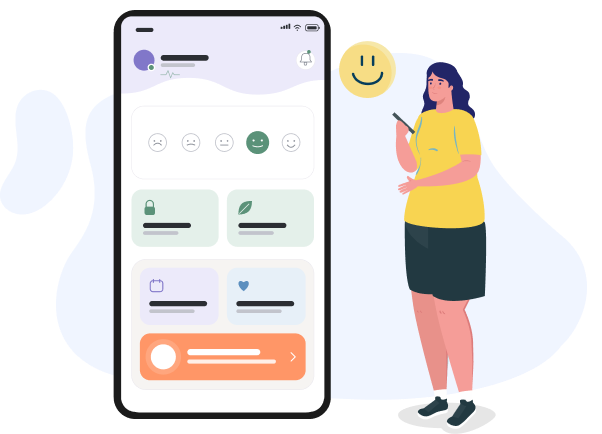
Designed around everyday well-being through mood check-ins, journaling, breathing exercises, and habit tracking.
- Mood check-ins and journaling
- Guided meditation and breathing
- Daily reminders and habit goals
- Progress view for user patterns
Therapy apps
Connect users with licensed professionals through scheduling, messaging, video consultations, and care records.
- Therapist profiles and booking
- Secure chat with care providers
- Video session access
- Session notes and care history
Mood tracking apps
Capture emotional patterns alongside factors such as sleep, stress, habits, and personal triggers.
- Daily mood entries
- Trigger and habit logs
- Sleep and stress tracking
- Visual progress reports
Meditation apps
Deliver structured meditation, breathing, relaxation, and sleep-focused content.
- Audio meditation sessions
- Breathing exercise library
- Sleep support content
- Saved sessions and reminders
Employee wellbeing apps
Provide workplace wellness resources, confidential check-ins, counseling access, and employee support tools.
- Anonymous wellbeing surveys
- Stress check-in tools
- Resource library access
- Counseling support requests
Crisis support apps
Prioritize rapid access to crisis resources, safety plans, emergency contacts, and defined escalation pathways.
- Emergency contact access
- Crisis resource directory
- Personal safety plans
- Escalation flow planning

1

2

3

4

5

6

7

8
Turn Your Mental Wellness Idea Into a Secure App
Launch a mental health product with safe workflows, strong data protection, and user focused features. Teqnovos helps businesses build apps that support wellness, therapy, and long term growth.
Safe AI Use in Mental Health Apps
AI features such as check-ins, recommendations, and workflow support require defined data boundaries, output validation, and human review. Teqnovos’ AI software development services can support these implementation requirements when AI is part of the product scope.


AI-guided check-ins
Smart check ins can ask users about mood, stress, and daily habits. The app can use these answers to guide users toward simple wellness actions. It must avoid diagnosis, medical advice, or crisis decisions.

Mood pattern review
Pattern review can study mood entries, journal activity, sleep inputs, and stress levels over time. The app can show useful trends that help users understand routine changes. It must not label users with a condition or present insights as clinical results.

Personalized content suggestions
Personalized suggestions can recommend meditation, breathing exercises, or coping resources. The app can match content with user activity and support goals. Users need simple controls to change preferences and stop personalization when needed.

Consent and data control
Clear consent gives users more control over sensitive information. The app needs to explain what data it uses and how long it keeps it. This gives users clearer control over how sensitive information is used.

Risk signal alerts
Risk alerts can flag concerning words, repeated distress patterns, or urgent support needs. The system can help care teams review high risk signals faster. It needs careful rules so the app does not create fear or false clinical claims.

Escalation rules
Escalation rules define what happens when the app detects serious risk. The product can show crisis resources, emergency contacts, or urgent care guidance. These paths need to be visible before users reach a difficult moment.

Therapist workflow support
AI can help therapists organize notes, review care history, and prepare follow up points. This can reduce manual work and improve care continuity. The final decision must stay with the therapist or qualified care provider.

Human care boundaries
Clear boundaries protect users and reduce product risk. The app needs to explain that AI supports wellness guidance but does not replace therapy, emergency help, or licensed clinical judgment. This message needs to appear before users rely on AI based support.
Why Businesses Choose Teqnovos for Secure Mental Health Apps
Teqnovos brings healthcare product development, interoperability, security planning, and structured delivery experience to digital health projects. Its healthcare work includes telehealth, EHR integration, data modernization, and connected care platforms.
Businesses that need dedicated product support can also hire healthcare app developers for mental wellbeing and healthcare app projects.
EHR and EMR integration
HL7 FHIR API implementation
Patient and provider data workflows
Connected care architecture
99% data migration accuracy
80% faster patient record access
65% less manual workflow effort
92% successful virtual visit completion
Role-based access controls
Authentication and permission planning
Audit logging
Integration safeguards
Product discovery and scope definition
UI/UX workshops
Agile development cycles
Phased testing and release planning

User consent
Clear consent tells users what data the app collects and why it needs it. Users also need simple ways to update privacy choices later.

Data encryption
Data encryption protects information by turning it into unreadable code for unauthorized users. It protects private notes, chat history, and account details.

Role-based access
Role based access gives each user type the right permission level. Users, therapists, and support teams need different access rights.

Secure communication
Secure communication protects chats, video sessions, and care notes. This matters for any mental health app development service that includes therapy workflows.

Audit logs
Audit logs record important system actions. They help teams review profile changes, access updates, and provider activity.

Data retention
Data retention defines how long the app keeps user information. Users also need a clear path to request data removal when allowed.

HIPAA planning
HIPAA may apply when a mental health app handles PHI for a covered entity or business associate, depending on the relationship and data flow. See HHS guidance on covered entities and business associates.

GDPR planning
GDPR may apply when an organization serves or monitors individuals in the EU. Health data receives additional protection under the regulation. See European Commission GDPR guidance.
Mental health apps may process journal entries, mood histories, therapy conversations, appointment data, and provider notes. Security therefore needs to be addressed at the architecture level, not added shortly before launch. For deeper privacy planning, businesses can review Teqnovos’ insights on patient data privacy in healthcare apps.
Build a Mental Health App Users Can Trust
Create a secure wellness or therapy platform with clear user journeys, privacy controls, and scalable app features. Teqnovos can help turn your idea into a reliable digital health product.
Mental Health App Development Services for Different Care Models
Different care models need different product structures. Teqnovos offers mental health therapy app development services for wellness brands, clinics, startups, and digital health businesses that need secure and user focused platforms.

Custom Mental Health App Development
Custom mental health application development gives businesses a product built around their users and privacy needs. This option suits teams that need more control than a ready made wellness tool can offer.
- User app and admin dashboard
- Custom feature planning
- Privacy-focused user flows
- Scalable backend structure

Therapy and Teletherapy App Development
Therapy apps help people connect with care providers via secure online journey processes. Mental therapy app development is suitable for clinics and start-ups requiring booking and session processes.
- Therapist profiles and availability
- Appointment booking and reminders
- Secure chat and video sessions
- Session notes and care history

Mental Wellness and Mindfulness App Development
Mental wellness app development targets personal mental health practices with structured content. Such apps are appropriate for businesses that want to create routines around mood care and meditation.
- Mood check-ins and journal flows
- Guided meditation and breathing tools
- Habit reminders and wellness goals
- Progress views for user activity
Mood and Symptom Tracking App Development
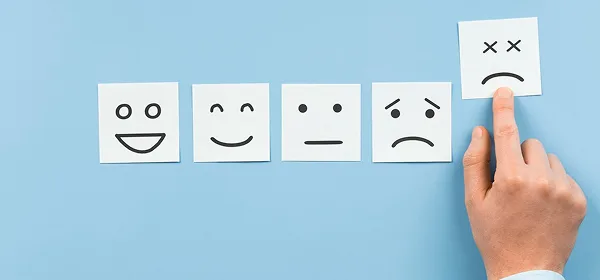
Tracking tools help users record mood, sleep, stress, and daily habits. This service suits products that need clear progress views without turning user entries into clinical claims.
- Mood and stress logs
- Trigger and habit tracking
- Sleep and routine inputs
- Visual progress reports
AI-Enabled Mental Health App Development
Artificial intelligence (AI) can guide check ins and review user patterns. This mental health app development service needs clear safety rules so AI supports users without replacing human care.
- AI guided mood check ins
- Content suggestions based on activity
- Risk signal review rules
- Human support escalation paths

Secure Integration and Compliance Support
Secure integration connects mental health apps with care systems or wearable data. Businesses can review our telehealth platform with EHR integration case study to see how connected records can support smoother care workflows.
- Health record integration planning
- Wearable data connection
- Role-based access control
- Consent and audit log setup
Mental Health App Development Cost Factors
The mental health app development cost depends on the product type, feature depth, and long term support plan. Businesses can use this section as a guide to build a mental wellness app with a clearer budget view.
App type
App type affects the full project scope because each product needs different workflows. A simple mood tracking app costs less than a therapy platform with booking, video sessions, and provider access.
Feature scope
Feature scope decides how much planning, development, and testing the product needs. The initial version should be focused on basic features, and further changes can be made later on.
Security requirements
Security needs can increase cost because mental health apps handle sensitive user data. Consent flow, encrypted records, and access control need proper planning before launch.
Therapist dashboard
A therapist dashboard adds more product depth for therapy-based apps. Providers may need profile control and calendar access in one secure place.
AI features
AI can increase cost through model integration, input filtering, output validation, monitoring, and escalation logic.
Maintenance needs
The mental health app development cost continues even after the launch. The app requires updates, fixes, and improvements. Ongoing support keeps the app secure and aligned with user needs.
Mental Wellness App vs Therapy App: What Should Businesses Build?
A business needs to choose the right care model before it starts development. This choice affects user expectations, feature depth, safety planning, and long term product responsibility.

User Intent
Wellness apps support users who want daily self care, stress support, and emotional balance. Therapy apps support users who need structured access to care providers and guided support journeys.
- Daily wellbeing and habit support
- Provider-led care access
- Light guidance for self-care users
- Structured journeys for therapy users

Product Responsibility
A wellness product needs clear content limits so users understand the app does not replace care. A therapy product needs stronger workflows because users may share sensitive concerns with a provider.
- Clear wellness content boundaries
- Provider accountability planning
- Safer communication workflows
- Stronger session record handling

Safety Planning
Wellness apps typically require lighter support workflows, while therapy platforms may need provider escalation and risk-response processes.
- Consent before sensitive inputs
- Visible limits for app guidance
- Human support pathways
- Risk response planning
Business Model Fit
A wellness app suits brands that want content based access and repeat daily use. A therapy app suits clinics, startups, and care platforms that need provider operations and secure service delivery.
- Content-based subscription plans
- Provider-based care models
- Workplace wellbeing access
- Clinic-focused operations
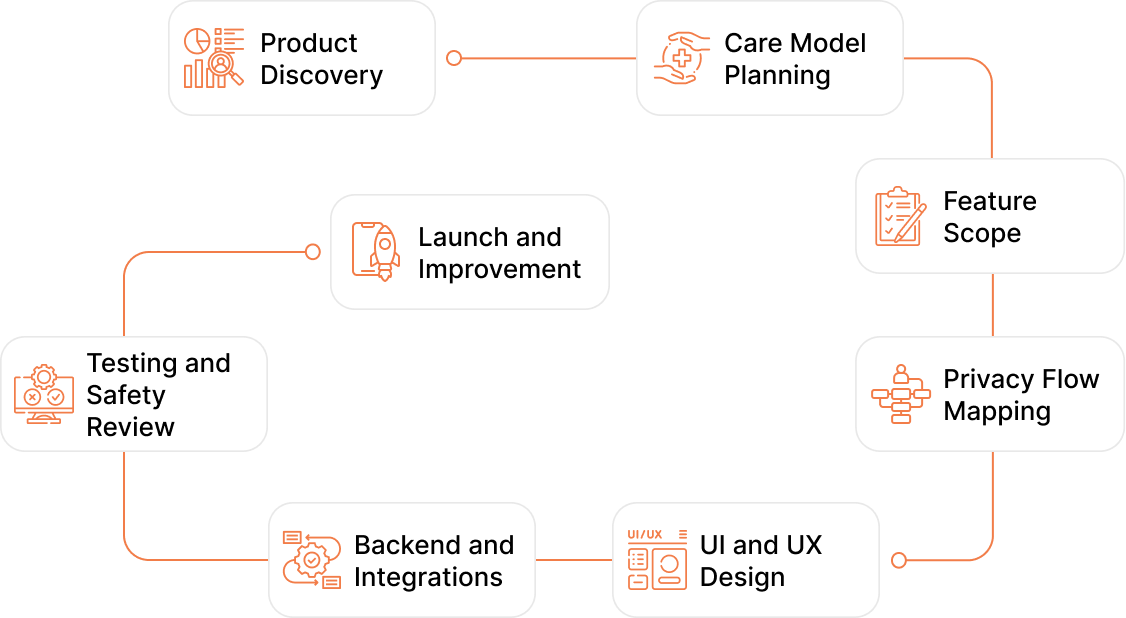
Product Discovery
Discovery defines the app’s goal, target users, care model, and business purpose. This step gives the team a clear base before design, content planning, and technical decisions begin.
Care Model Planning
Care model planning explains what the app will offer users. A wellness app may focus on self care, while a therapy app needs provider access, session flows, and safer support rules.
Feature Scope
Feature scope separates essential workflows from functionality that can be added in later releases. Teams planning an MVP can use a focused mental health support app development approach to prioritize core user journeys before adding advanced features.
Privacy Flow Mapping
Privacy flow mapping decides where consent, data access, and user control appear inside the app. This step protects sensitive user actions before the product moves into full development.
UI and UX Design
UI and UX design should validate sensitive journeys such as onboarding, consent, booking, and account recovery before development begins. Teqnovos’ UI and UX design services can support this stage when the product requires dedicated design work.
Backend and Integrations
Backend development manages data, content, and system logic. Integrations may connect the app with payment tools, wearable devices, or healthcare records.
Testing and Safety Review
Testing checks login, booking, chat, video, reminders, privacy controls, and crisis support paths. The team needs to fix confusing flows before users depend on the app.
Launch and Improvement
Launch needs app store setup, analytics, support workflows, and feedback channels. After release, the team can improve features based on real user activity, privacy reviews, and product performance.
Common Mistakes to Avoid in Mental Health App Development
Mental health apps need careful product choices because users may share sensitive thoughts, stress patterns, and care needs. A strong guide to build a mental wellness app must explain what businesses need to avoid before development starts.

Adding Too Many Features Early
Start with the features users need most.
Keep advanced tools for later product updates.
Test the first version with simple user journeys.
Avoid feature overload that makes support harder.

Using AI Without Clear Limits
Use artificial intelligence only when it improves guidance.
Set clear rules for diagnosis and crisis decisions.
Show users when they interact with AI.
Keep human support paths easy to access.

Ignoring Privacy Settings
Ask for consent before collecting sensitive data.
Give users control over personal records.
Limit access for therapists, admins, and support teams.
Review privacy settings before every major release.

Missing Crisis Support Paths
Plan urgent support before the app goes live.
Add established crisis resources, such as the 988 Suicide & Crisis Lifeline for U.S. users.
Show clear steps during high-risk moments.
Guide users toward human help when risk increases.
What makes Teqnovos different
Digital Strategy With a Clear Business Purpose
Teqnovos approaches digital transformation through business goals rather than isolated features. The team studies current workflows, technology gaps, integration dependencies, and user needs before defining the right delivery path. This creates focused solutions that fit existing operations and give organizations a clear basis for future technology decisions.
About Teqnovos
Teqnovos works with organizations that need software to solve clear business problems. Its teams combine product planning, user experience, engineering, system integration, and quality testing to create practical software products. The work covers new applications, connected platforms, and upgrades to existing systems, with attention to users, data, and daily operations.

Frequently Asked Questions
The mental health app development cost depends on app type and feature scope. Security needs and integrations should also be considered. A simple wellness app usually costs less than a therapy platform with video sessions, provider dashboards, and AI features.
The timeline depends on the app scope. A focused first version can move faster than a full therapy platform with advanced features like booking and video calls. Teams need enough time for discovery and launch preparation.
The most useful mental health app features depend on the care model. Common features include onboarding, mood tracking, and journaling. A few more are therapist booking, secure chat, and video sessions.
A mental wellness app supports daily self care through mood check ins and habit tools. A therapy app connects users with care providers through booking and care records.
Yes. AI can support check-ins, content recommendations, pattern analysis, and provider workflows when appropriate safeguards and human review are in place.
Common controls include consent management, encryption, role-based access, secure communication, audit logging, and defined retention policies.
Businesses should start with the features that solve the main user need. A wellness app may start with mood tracking and content access. A therapy app may start with provider profiles, secure chat, and session management.
No. A meditation app usually focuses mainly on guided audio and breathing. They also focus on sleep support and stress relief. A mental health app can include wider support such as mood tracking and therapy access.
Businesses should avoid adding too many features early. They should avoid using AI without clear limits and skipping crisis support paths. A clear guide to build a mental wellness app should define user safety before development starts.