
















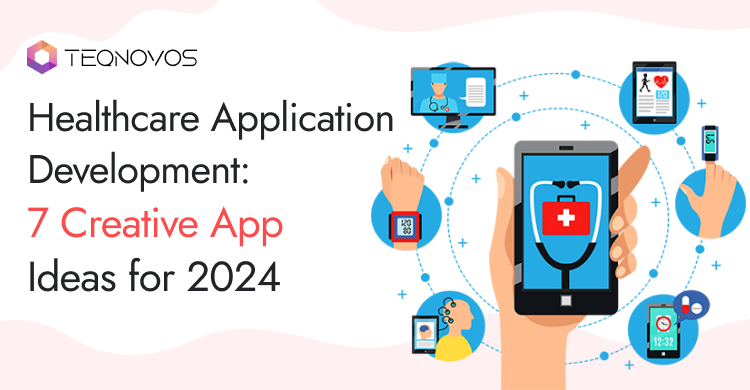
Healthcare Application Development: 7 Creative App Ideas for 2024
Healthcare technology continues to create new opportunities for digital health products. The mobile health market is also growing as more people use digital tools to manage care and wellness.
This growth is increasing interest in healthcare application development. Modern applications can now connect with clinical systems. They can work with wearable devices. They can also support remote care and artificial intelligence.
Strong healthcare apps for startups solve a clear problem. Some support patients, while others improve clinical work or daily administration. The right idea depends on the user’s needs and the healthcare service.
This guide covers seven creative healthcare app ideas that remain relevant in 2026. It also explains the main factors businesses need to consider before development starts.
Healthcare Application Development 101
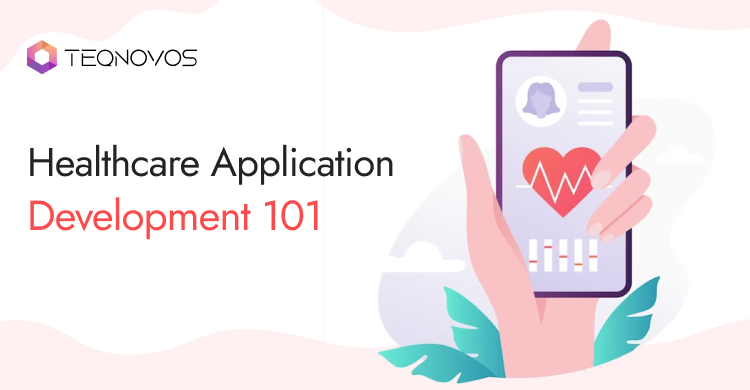
Healthcare application development is the process of building software for healthcare services and workflows. These applications may support patients or healthcare providers. They may also help medical organizations manage daily operations. A reliable healthcare application development process starts with a real healthcare need. The development team first defines the users and their needs. The team then studies the workflow and required integrations.
Modern healthcare app development requires more than useful features and a clean interface. Privacy needs attention from the start. Security is just as important. System integration and regulatory requirements also affect the final product.
Many organizations choose custom healthcare app development when standard software does not support a specific workflow. A custom product gives the business more control over features and integrations. It can also support future changes more easily.
Companies comparing healthcare app development services need to check healthcare experience and technical skills. The development partner also needs to understand the rules that apply to the product.
Turn a Healthcare App Idea Into a Real Product. Discuss Your Healthcare App Idea!
Schedule a CallWhat Healthcare Apps Need in 2026
Modern healthcare applications often handle sensitive information. They may also exchange data with several systems. These requirements make technical planning an important part of healthcare mobile app development. Some healthcare applications need Electronic Health Record integration. It stores digital patient information used by healthcare providers.
Fast Healthcare Interoperability Resources can also support data exchange. This standard helps healthcare systems exchange structured health information. Privacy also needs careful planning. Health Insurance Portability and Accountability Act rules may apply in some cases. This law is commonly known as HIPAA. It protects certain forms of patient health information in the United States.
Security cannot depend on encryption alone. Healthcare applications may also need strong authentication. Access controls can limit who can view sensitive data. Audit records can help teams track important account activity.
Artificial intelligence is another important factor. AI healthcare apps can support patient communication and administrative work. They can also help organize health information. AI needs more careful review when it influences medical decisions. Teams need to understand where automation can help and where human judgment is still required.
Product teams also need to understand the difference between a wellness application and software that performs a medical function. Some medical software may fall under Food and Drug Administration oversight in the United States. The agency is commonly known as the FDA.
These factors need attention early in the healthcare application development process. Late changes can increase cost and create extra development work.
Why Build Custom Healthcare Applications?
A custom healthcare application can support a workflow that standard software does not handle well. It can also give a healthcare organization more control over integrations and future development. Here are some of the main reasons businesses consider custom healthcare app development.
1. Better Patient Care
Healthcare applications can make important services easier to access. A patient may use an application to review health information. The same application may also help manage appointments or communicate with a care team.
Good healthcare app development keeps the patient journey simple. The application needs to support real needs instead of adding features that offer little value.
2. Better Control Over Product Costs
Custom software is not always cheaper than ready-made software. Initial development may require a larger investment. The main value comes from greater control. A healthcare company can choose the features that support its workflow. The business can also avoid paying for functions that provide little value.
Development cost depends on product scope and system integrations. Security requirements also affect the investment. Businesses planning custom healthcare app development can review the main factors that affect healthcare software development cost before setting the final budget.
3. Stronger Product Differentiation
A custom application can support a healthcare service in a more focused way. This can help a startup create a better user experience. The strongest healthcare apps for startups often solve one clear problem. They do not depend on a long feature list to create value. A reliable healthcare app development company can help turn that problem into a practical product plan.
Top 7 Healthcare App Ideas for Startups in 2024
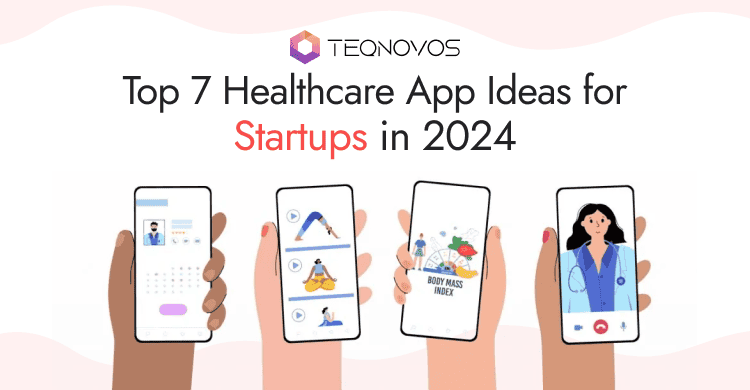
Choosing between different healthcare app ideas for startups can be difficult. Healthcare covers many user needs and service models. A startup first needs to define the problem it wants to solve. It also needs to understand how the application will access health information and connect with other systems.
The following creative healthcare app ideas focus on areas where digital products can provide practical value.
1. Health Tracking and Remote Patient Monitoring App
Health tracking applications help users monitor selected health and wellness information. These applications may receive data from wearable devices or connected medical equipment. The application does not create every health measurement. Connected devices collect supported information and send it to the software.
A simple wellness application may track activity or sleep. A more advanced product may support remote patient monitoring. Remote patient monitoring allows care teams to review patient health information outside a traditional medical setting. This can help providers follow selected health measures between visits.
Developers can also connect applications with platforms that support wearable health information. This can make healthcare mobile app development more useful when the product relies on information collected outside the application. Businesses planning this type of product can learn more about remote patient monitoring software and connected care systems.
The product team also needs to define how the application uses health information. A wellness product and a medical monitoring product can face very different requirements.
2. Medical Record App
A medical record application can give patients or healthcare professionals one place to access relevant health information. The application may include prescriptions and laboratory information. It may also provide treatment records and other approved healthcare documents.
Modern medical record applications often need to communicate with EHR platforms. FHIR can help different healthcare systems exchange information through standard connections. This makes interoperability an important part of healthcare application development. A medical record application offers less value when it creates another isolated system.
Security also requires more than encryption. Strong authentication can protect account access. Permission controls can limit access to sensitive records. Audit logs can help organizations monitor important actions.
Businesses building this type of product may also need EHR and EMR integration services when the application needs to connect with existing clinical systems.
3. Appointment Booking App
Appointment booking remains one of the most practical healthcare app ideas for startups. These applications allow patients to view open appointment times. Patients can also book or cancel visits through the application.
Reminder features can reduce missed appointments. Some applications can also support basic patient intake before the visit. The application becomes more useful when it connects with the existing scheduling system. This helps reduce duplicate bookings and outdated availability.
AI can also support limited administrative tasks. AI healthcare apps may answer basic appointment questions. They can also guide users toward the correct service. Human support still matters when a request requires medical judgment.
4. Pharmacy Delivery App
Pharmacy delivery applications help patients request approved medications and follow the fulfillment process. The application can connect prescription information with pharmacy workflows. It may also provide order status details and delivery updates.
This type of healthcare mobile app development needs careful workflow planning. Prescription rules can differ by medication and location. Medicine availability can also affect the final delivery time. A better product experience gives the patient clear information about approval and fulfillment. It also explains the current order status. A startup considering this model also needs to review local pharmacy requirements before development starts.
5. Doctor Finding and Virtual Care App
Finding the right healthcare provider can take time. A doctor finding application can make the process easier by organizing useful provider information. Patients may search by medical specialty or location. The application may also show availability and consultation options.
Some products can extend this experience into virtual care. Patients can then book remote consultations when the healthcare service supports them. A connected platform may also give providers access to relevant patient records before and after each visit.
Teqnovos has built a HIPAA compliant telehealth platform that connects virtual consultations with EHR access and appointment workflows.
6. Mental Health App
Mental health applications can support wellness and access to care. The product model can vary based on the user’s needs. Some products focus on guided relaxation or sleep support. Others connect users with mental health professionals or structured care programs.
The growth of AI healthcare apps creates another option. AI may support basic guidance or administrative interactions. It can also help users find relevant resources. AI needs clear limits in sensitive mental health situations. The application needs a defined response when a user may require professional or emergency support.
AI responses also need clear boundaries. They should not create the impression of clinical care when the product does not provide it. Startups exploring this area can review wellness app development services to understand how digital wellness features can support a broader product.
7. Women’s Health Management App
A custom healthcare application for women can support health needs across different stages of life. The application may help users manage menstrual health or fertility information. It may also support pregnancy tracking or other personal health goals.
Privacy deserves close attention in this category. Reproductive and fertility information can be highly sensitive. Product teams need to define what information the application collects. They also need a clear reason for collecting it.
Users need meaningful control over their information. Clear consent and secure access need to form part of the product design. Strong custom healthcare app development can help a business build these controls into the product from the beginning.
Have a Healthcare App Idea Worth Building? Share Your App Idea!
Schedule a CallHow Can a Startup Choose the Right Healthcare App Idea?
The best idea is not always the one with the most features. A startup first needs to define the user problem. The team then needs to understand who will use the application and what information it requires.
A simple wellness product may have very different needs from a clinical application that exchanges patient records. The startup also needs to consider integrations early. EHR connections and wearable information can change the technical scope of healthcare app development.
Regulatory requirements can also change the project scope. A product that supports general wellness may face different requirements than software that performs a medical function.
These decisions help businesses narrow down healthcare apps for startups before major development work begins. A reliable provider of healthcare app development services can also help define product architecture and integration needs before coding starts.
Bottom Line
Healthcare software continues to change as connected care becomes more common. Digital health products are also becoming more advanced. Artificial intelligence is creating new possibilities across several healthcare workflows. The strongest healthcare apps for startups will not succeed only because they use new technology. They need to solve a clear healthcare problem. They also need to support a practical user workflow.
The seven creative healthcare app ideas in this guide provide a useful starting point. Each idea serves a different need and requires a different development approach. Good healthcare application development also requires careful attention to privacy and interoperability. Security and regulatory scope matter as well.
A business comparing healthcare app development services needs a development partner with relevant healthcare experience. Teqnovos supports custom healthcare app development for organizations that need products built around specific workflows and integration needs.