



























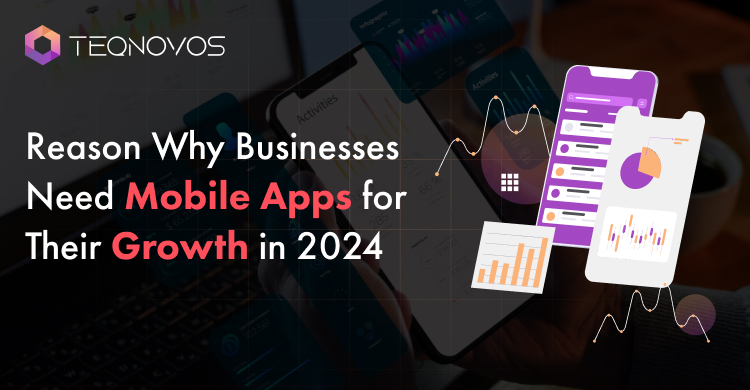
Reason Why Businesses Need Mobile Apps for Their Growth
Mobile applications play a regular role in daily life. People use them to order food and book services. They also use them to manage accounts and buy products. For business, this creates a direct route to customers through a device they already use every day.
The benefits of mobile apps for businesses become clear when an app solves a real customer need. A useful app can make repeated actions easier. It can also support faster access to services and account information.
Before a business starts mobile app development, it needs a clear goal. The team needs to understand the user and the main problem the app will solve. It also needs to define the required features. This helps the team select the right technology.
A business mobile app can support customer access and repeat engagement. It can also help a company deliver a more personal digital experience. The right approach depends on the product and the way customers use it.
Which Technology is Most Suitable for Creating Mobile Applications?
A business can use different development approaches. Each option fits a different type of product. The final choice depends on performance needs and device access. Budget and maintenance also matter.

1. Native App Development
Creates an application for one operating system. Android apps use Kotlin with Jetpack Compose. It is a modern toolkit used to build Android interfaces. Apple apps use Swift with SwiftUI. This toolkit helps build interfaces for Apple devices.
Native app development assists businesses with performance and when the product needs integrations. Native mobile app development services can also fit products with complex platform specific requirements.
Android projects also require developers who understand current platform tools and architecture. This guide to Android app development skills explains some of the technical knowledge involved.
2. PWA Development
A Progressive Web App is a web application that can offer app like features through a browser. It can support fast access and installable experiences. It can also support offline use in suitable cases.
PWA can work well when a businesses wants broad web reach without maintaining separate native apps. Users can open the product through a normal web link. This can make access and sharing easier.
A Progressive Web App still has limits. Some device features may not work in the same way as they do inside a native app. The business needs to compare those limits with the real product requirements.
3. Cross Platform Development
Cross platform app development allows a team to share much of the same code across Android and iOS. Frameworks such as Flutter and React Native support this approach. Developers can still use native features when the product needs them.
Cross platform app development can reduce repeated development work when the same product needs to support both mobile platforms. It can also make updates easier when both versions share the same product logic.
The approach is not automatically cheaper for every project. Cost depends on product scope and testing needs. Native integrations can also affect the total work. A business can choose cross platform app development when shared development fits the product and the team.
The platform choice also affects the type of mobile app development services involved in the project. Native apps and shared code applications have different development and maintenance needs.
Build a Mobile App That Drives Business Growth —Talk to Our App Experts Today!
Schedule a CallDoes Every Business Need a Mobile App?
Not every business gains the same value from an app. Some companies need frequent customer interaction. Others mainly need a strong website. A business mobile app makes more sense when customers return often. It can also help when users need personal accounts or notifications. Offline access and device features can make an app more useful as well.
A responsive website may be enough when customers mainly need information. Progressive Web Apps can fit businesses that want app style features with broad web access. The differences between a Progressive Web App and a responsive web app become important when offline access and notifications are part of the product plan.
Advantages of Developing a Mobile App for a Business
The benefits of mobile apps for businesses depend on how useful the product is to customers. An app can remove extra steps. It can also make repeat interactions easier.
1. Increase Revenue and Sales Opportunities
A mobile app can shorten the path between interest and purchase. Saved account details can help returning users move faster. Familiar checkout steps can also reduce effort.
These improvements can support sales when the app already serves a real customer need. An app does not create revenue on its own. Product value and ease of use still matter.
This is one reason businesses invest in mobile app development solutions that focus on the complete customer journey.
2. Establish a Direct Customer Channel
A mobile app gives customers a direct way to interact with a business. Users can check account details and access services without searching for the website each time.
Businesses can also provide more relevant content when users give the required permissions. Push notifications can support reminders and service updates. Location data and profile information need careful use and clear consent. A business mobile app works best when each message has a clear purpose.
3. Improve Customer Engagement
Mobile apps can make repeat interactions easier. Users can return to saved preferences and account details. They do not need to start again each time.
Notifications and in app features can bring users back when they offer real value. Social features may also support sharing when they fit the product.
Gamification can support engagement when it fits the product. Gamification means using game style elements inside a digital experience. A fitness app retention case study shows how community features and gamification can support repeat use.
4. Support Brand Visibility
An installed app gives returning users a direct route back to the business. The app icon can keep the brand visible on the device. Users do not need to search for the business every time.
Push notifications can also support product updates and useful reminders. The business needs to keep these messages relevant. Too many notifications can reduce interest.
5. Improve User Experience
User experience can affect how often customers return to an app. Clear navigation can make tasks easier. Fast loading can also reduce frustration.
A well planned app can use device features in ways that a website may not match. Camera access and location features can improve convenience when the product depends on them.
Good mobile app development starts with the user journey. Visual design then supports that journey.
6. Build Brand Loyalty
A useful app can support loyalty by making regular interactions easier. Customers can access saved information and account tools in one place.
Businesses can also use rewards and loyalty programs inside the app. These features work best when they give users a clear reason to return.
The benefits of mobile apps for businesses can grow over time when the app becomes part of a regular customer routine.
7. Create a Competitive Advantage
An app can create an advantage when it removes friction from the customer journey. It can also support features that a basic website cannot provide as effectively.
The advantage depends on usefulness. A business does not gain value simply because it has an app. Customers need a clear reason to keep using it.
Security and Privacy for Mobile Applications
Security is a core part of mobile app development. Applications often handle account details and personal data. Some also process payment information.
Developers need secure authentication and protected application programming interfaces. An API allows software systems to exchange data. Businesses also need to review app permissions and third party SDKs. Regular updates and security testing can reduce avoidable risks. A health insurance application security case study gives a practical example of access control and application security.
A mobile app development company can help define security needs during planning and testing. Security works better when it is part of the product process at the start.
Turn Your Business Idea Into a Powerful Mobile App —Start Your Project With Teqnovos!
Schedule a CallArtificial Intelligence in Modern Mobile Apps
AI is changing how some mobile products work. Newer devices can run supported AI features directly on the device. This can support tasks such as summarization and intelligent assistance. On device processing can also keep some data on the user’s device. The exact capability still depends on the phone and the model used.
Some applications also connect on device AI with cloud models or wider product systems. AI software development covers the broader architecture used for these types of features.
Conclusion
The benefits of mobile apps for businesses come from practical product value. A mobile app can support repeat engagement and direct customer access. It can also improve convenience when customers need device features or offline access.
The best technology depends on the product. Native applications fit some use cases. Shared code can fit others. A PWA may be enough when broad web access matters more than deep device integration.
A mobile app development company can help turn product requirements into a technical plan. Businesses can compare different mobile app development services based on scope and platform needs.
Start with a clear mobile app strategy that connects technology with real business needs. Book your free consultation call with Teqnovos.