
- Hire a Developer
 Android Developers
  iOS Developers
  Angular Developers
  DevOps Developers
  Laravel Developers
  MEAN Stack Developers
  MERN Stack Developers
  NestJS Developers
  NodeJS Developers
  NextJS Developers
  NuxtJS Developers
  Python Developers
  ReactJS Developers
  VueJS Developers
  WordPress Developers
  Shopify Developers
  BigCommerce Developers
  Salesforce Developers
 - AI Development
- Industries











Get in Touch
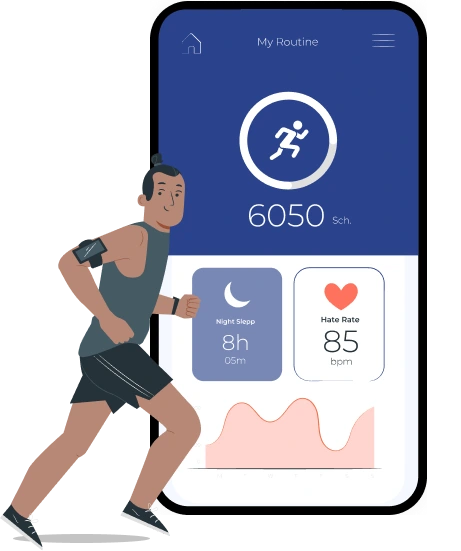
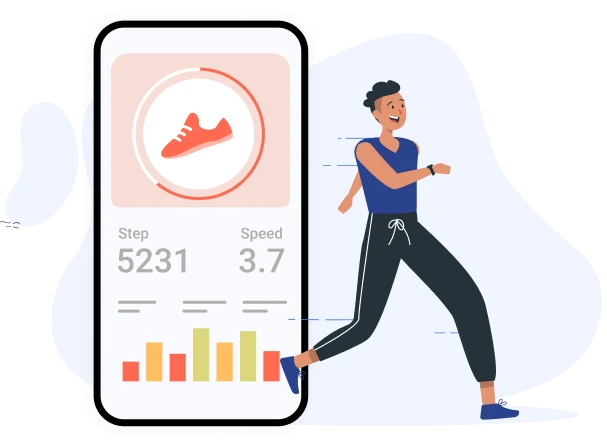
Transform Workout Experiences With Smarter Personalization
Fitness businesses need products that respond to real user behavior. Static workout plans often fail to support changing needs. Intelligent platforms can create more relevant journeys through adaptive routines and real time performance insights. This helps fitness brands improve user engagement and product value.
AI powered platforms can study activity and workout results to shape better experiences. They can adjust routines and deliver timely recommendations as user needs change. Teqnovos supports this shift through AI powered fitness app development and AI software development services designed around clear business goals and scalable product planning.
How Smart Fitness Platforms Turn User Data Into Better Workouts
An intelligent fitness product follows a structured data flow. It learns about each user and studies workout activity. The platform then builds relevant routines and improves them through ongoing feedback. This process helps businesses understand how to build an AI fitness app that delivers useful and adaptive experiences.
Goal Mapping
Focused onboarding helps the platform understand what each user wants to achieve. It creates a clear base for future workout decisions.
- Fitness goals
- Experience level
- Workout preferences
- Available equipment
Activity Tracking
Accurate tracking captures how users complete each workout. This data reveals progress and changing fitness needs through connected devices.
- Exercise completion
- Workout duration
- Heart rate data
- Movement activity
User Profile Building
Smart profiling turns collected information into a usable fitness profile. The platform updates this profile as user behavior changes.
- Strength level
- Activity patterns
- Exercise history
- Recovery needs
Recommendation Processing
Intelligent analysis reviews plans and recent performance. It then selects suitable exercises and adjusts workout intensity accordingly.
- Exercise selection
- Set adjustments
- Rest planning
- Routine changes
Workout Delivery
Clear delivery gives users structured guidance during every session. Visual support and timely prompts make each plan easier to follow.
- Workout schedules
- Exercise videos
- Session reminders
- Progress targets
Feedback Improvement
Continuous learning helps the platform refine future recommendations. See how adaptive challenges and progress rewards improved repeat activity in this fitness app retention case study.
- Workout ratings
- Skipped exercises
- Plan completion
- User feedback

Static Workout Experience
Traditional fitness apps provide fixed routines and standard tracking tools. Users follow the same workout plan until they change it manually. The app may record steps, calories, and completed sessions. However, it does not study performance patterns or adjust future workouts. This limits personalization and may reduce long term engagement.

Adaptive Workout Experience
Intelligent fitness apps study goals, activity history, and workout results. The platform can adjust exercise intensity and recovery time as the user’s progress changes. AI powered workout app development helps fitness businesses deliver relevant guidance and responsive coaching. This creates a flexible experience that evolves with each user.

1

2

3

4

5

6

7

8
Create Fitness Experiences That Keep Users Engaged
Build an adaptive fitness product that supports workouts and connected tracking with reliable performance. Turn fitness data into a smarter user experience with Teqnovos.
Intelligent Capabilities That Make Fitness Products More Responsive
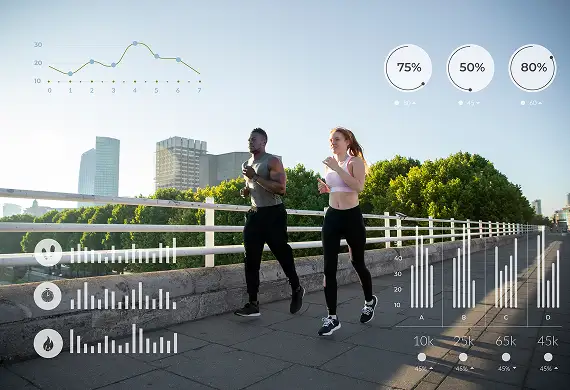
Modern fitness products need more than workout libraries and basic tracking. AI fitness application development adds adaptive functions that respond to real user activity. Each capability improves guidance while giving users and fitness teams greater control over the experience.

Adaptive Workout Planning
Dynamic planning changes routines as user performance develops. The system can adjust exercises and session difficulty based on goals and completed workouts.

Exercise Form Analysis
Computer vision analyzes body movement through a device camera. It can identify possible posture issues and provide timely guidance during selected exercises.

Goal Based Recommendations
Focused recommendations connect each workout with a defined fitness target. The platform can suggest suitable routines for strength and endurance or general activity.

Recovery and Intensity Control
Responsive logic reviews recent workload and workout completion. It can reduce intensity after demanding sessions or increase difficulty when progress remains consistent.

Progress Prediction
Predictive models study historical performance and current activity. They can estimate future progress and highlight areas that may need a different training approach.

Nutrition and Habit Insights
Diet and nutrition app development can connect workout activity with meal logs and daily habits. The platform can show useful patterns that support more balanced fitness routines.
Why Businesses Choose Teqnovos for Intelligent Fitness Products
Teqnovos combines product planning with AI and mobile expertise. Its AI fitness app development services focus on clear workflows and reliable systems. This approach helps fitness businesses reduce delivery risks and prepare the product for future growth.
Clear product goals guide every decision
User needs shape the first release
Feature priorities reduce unnecessary scope
Business models align with platform design
Intelligent features support real user needs
Mobile experiences remain simple and responsive
Recommendation logic follows defined rules
Data flows remain structured and controlled
Flexible architecture supports future features
Backend services handle growing user activity
Secure data layers protect fitness records
Monitoring tools track system performance
Clear milestones improve project visibility
Regular reviews support faster decisions
Integration planning reduces technical issues
Testing covers devices and user roles
| User Role | Primary Goal | Key Features | Platform Value |
|---|---|---|---|
| Fitness Users | Follow personalised plans and track steady progress | Personal workout plans, progress dashboards, activity tracking, goal management, smart notifications | Better guidance and stronger daily engagement |
| Trainers | Manage clients and adjust coaching plans | Client monitoring, workout creation, progress reviews, direct communication, plan adjustments | Greater control and more efficient coaching |
| Administrators | Oversee users' content revenue and platform activity | User management, subscription control, content management, recommendation review, system settings | Clear operations and stronger product oversight |

Mobile and Web Interface
Engaging interfaces give users clear access to workouts and progress insights. The design supports simple navigation across mobile devices and web dashboards.

Backend Services
Reliable backend services manage user accounts and workout content. They also process subscriptions and communication between different parts of the platform.

User Data Layer
Secure data storage keeps fitness goals and history organized. Clear data rules help the platform use relevant information without collecting unnecessary details.

Intelligent Model Layer
Adaptive models study user activity and workout results. They use these insights to update recommendations and support their more relevant fitness journeys.

Integration Layer
Connected services bring wearable data and payment tools into one product. A stable integration layer also supports video platforms and external fitness systems.

Analytics and Monitoring
Continuous monitoring tracks application speed and system errors. Product teams can also review feature usage and recommendation quality after the launch.
A strong system structure supports fast performance and secure data flow. AI fitness app architecture connects every product layer so workout guidance remains accurate and responsive as the user base grows.
Turn Complex Fitness Data Into a Stable Product
Create a stable product that supports smooth workouts and secure data movement. Give your fitness app a reliable technical core with Teqnovos.
Connected Tools That Expand the Fitness Experience
AI fitness app API integration connects the platform with external services and devices. These connections improve data flow and make each fitness journey more useful. They also help businesses support payments and connected workouts within one product.

Health Data Platforms
Centralized access helps the app use approved activity data from Apple Health and Health Connect. Users control which records the platform can access.
- Heart rate data
- Step count
- Sleep records
- Workout history

Fitness Wearables
Seamless wearable app development brings live activity data into the fitness platform. This helps the app provide more relevant guidance with better insights.
- Smartwatch syncing
- Heart rate tracking
- Sleep monitoring
- Activity updates
Smart Gym Equipment
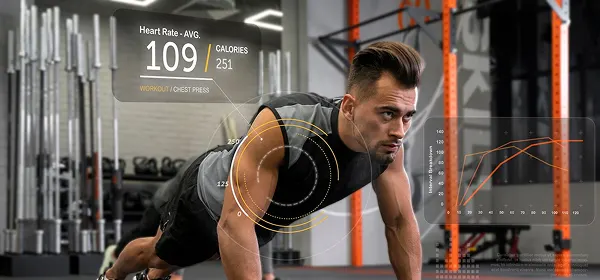
Connected machines can send workout activity directly to the app. This integration supports workout history, equipment usage, and guided training sessions.
- Exercise tracking
- Equipment usage
- Session history
- Performance data

Payment and Subscription Tools
Secure payment services simplify purchases and help users buy plans and manage recurring access. The platform can support several revenue options in the app.
- Monthly memberships
- Premium workout plans
- Trainer session payments
- Subscription renewals

Live Video Coaching
Enable personal training through embedded video sessions. Trainers can conduct live workouts and share guidance without moving users to another platform.
- One to one sessions
- Group classes
- Live exercise reviews
- Trainer feedback

Nutrition Data Services
Enrich meal tracking through trusted food databases. The app can access nutrient data and use it to support food logging and user fitness goal planning.
- Calorie tracking
- Nutrient data
- Meal history
- Goal based insights
Create Secure Fitness Platforms With Responsible AI Controls
Fitness platforms often process personal goals and activity records. They may also collect heart rate and sleep data through connected devices. Businesses handling sensitive wellness data can use AI in healthcare to understand responsible data practices and system controls. Strong controls help businesses protect this information and keep recommendations transparent. AI fitness app development must balance personalization with user choice and responsible data use.
Clear User Consent
Transparent consent explains which data the platform collects and why it needs that information. Users must be able to approve or reject optional access before any data enters the system.
Secure Data Storage
Protected storage reduces exposure across the platform. The system can separate account details from workout records and apply strong safeguards to sensitive information.
Role Based Access
Controlled permissions limit data access by user role. Trainers can view relevant client information while administrators receive only the access required for platform management.
Data Encryption
Strong encryption protects information during storage and transfer. This helps secure workout records and payment details as data moves between the app and connected services.
Activity Audit Logs
Detailed logs record important changes and access events. Product teams can review who viewed data and when settings or recommendations changed.
Recommendation Review
Human oversight helps teams review unusual workout suggestions. Clear controls allow trainers or administrators to adjust recommendations when user safety or product rules require intervention.
Defined Product Boundaries
Responsible platforms clearly separate fitness guidance from medical advice. The product must explain its intended use and avoid presenting automated recommendations as professional diagnosis or treatment.
Account and Data Deletion
Simple controls allow users to close accounts and request data removal. The platform should explain what information is deleted and what records may need to remain for valid operational reasons.
Revenue Models to Support Sustainable Fitness App Growth
A fitness platform needs a clear revenue plan before development begins. The right model depends on the target audience and service scope. Strong AI fitness app monetization strategies can support steady income while keeping the user experience simple and valuable.

Monthly Subscriptions
Recurring plans give users continued access to workouts and progress insights. Businesses can offer flexible tiers based on features and coaching access.
- Monthly billing plans
- Annual membership options
- Tier based feature access
- Automatic subscription renewal

Premium Workout Plans
Specialized programs can create extra revenue beyond standard access. These plans may focus on strength training, weight management, or guided recovery.
- Strength training programs
- Weight management plans
- Recovery focused routines
- Advanced coaching content

Trainer Memberships
Fitness professionals can pay for tools that support client management and workout planning. Higher tiers can offer deeper insights and client capacity.
- Client profile management
- Workout plan creation
- Performance analytics
- Expanded account limits

Corporate Wellness Plans
Companies can purchase group packages for employees. The platform can support participation tracking and activity programs for workplace wellness teams.
- Employee access packages
- Group fitness challenges
- Participation tracking
- Wellness activity reports
In App Purchases
Users can buy individual services without changing their main subscription. This model supports flexible spending and targeted upgrades for workouts.
- Personal coaching sessions
- Exclusive workout programs
- Nutrition guidance plans
- One time feature access

Brand Partnerships
Fitness brands can promote relevant products through approved placements and sponsored programs. Clear disclosure helps users understand commercial content.
- Sponsored fitness programs
- Product recommendation placements
- Co branded challenges
- Affiliate purchase links
Product Discovery
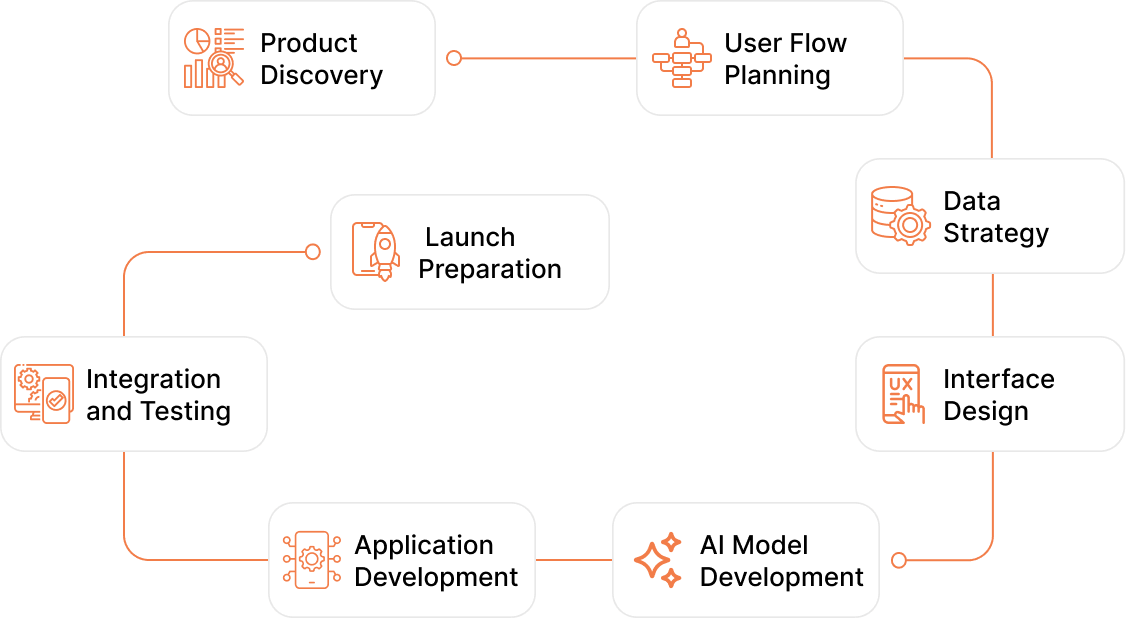
Focused discovery defines the product purpose and target audience. The team reviews business goals and competitor gaps before setting the first release scope.
User Flow Planning
Clear user journeys map how users and trainers interact with the platform. This stage covers onboarding, workout progress tracking, subscriptions, and account management.
Data Strategy
Reliable planning identifies which data the platform needs and how it will use it. The team defines consent rules and storage controls before connecting activity records or wearable data.
Interface Design
Practical design turns complex fitness functions into simple screens. Prototypes help validate navigation and workout flows before custom mobile app development begins.
AI Model Development
Controlled model development builds the logic behind workout suggestions and progress insights. Training and testing help the system produce relevant results across different user profiles.
Application Development
Scalable engineering connects the interface with backend services and intelligent models. AI fitness application development also covers user accounts, content tools, payment systems, and administrative controls.
Integration and Testing
Thorough testing checks device connections and payment flows. It also reviews data accuracy and recommendation quality across supported devices and user conditions.
Launch Preparation
Careful release planning prepares the platform for application store approval and real user activity. The team configures monitoring tools and support workflows before the public launch.
Common Development Mistakes and Risks to Avoid
An intelligent fitness product needs clear planning and reliable controls. Weak data choices can reduce trust and slow growth. Poor AI fitness app deployment can also create launch issues across devices and connected services. Early risk review supports a safer and more scalable product.

AI Purpose and Data Planning
Adding AI without a clear user need
Collecting more data than the product requires
Ignoring onboarding data for new users
Using unclear consent and privacy controls

Scope and Integration Risks
Adding too many integrations in the first release
Building features before validating user demand
Depending on unstable external services
Launching without backup data flows

Recommendation and Safety Gaps
Providing workout changes without clear reasons
Skipping trainer or expert review controls
Presenting fitness guidance as medical advice
Ignoring different fitness levels and limitations

Testing and Performance Failures
Skipping AI fitness app performance optimization
Launching without speed and device testing
Ignoring wearable syncing errors
Failing to prepare update and rollback plans
What makes Teqnovos different
Scalable Digital Solutions To Power Business Growth
Business success is our benchmark. At Teqnovos, we design and develop custom mobile applications that solve real operational challenges. Our solutions enhance customer experiences and support long-term scalability. By aligning technology with your workflows and market needs, we ensure every solution delivers lasting value.
About Teqnovos
Teqnovos’ team provides custom mobile app solutions to gain a competitive advantage in a growing market. Digital readiness helps businesses build loyalty and scale sustainably. Businesses are moving toward digital experiences that support convenience and speed. Mobile app development plays a key role in meeting these expectations. A well-planned app helps improve customer engagement and repeat purchases. It also gives businesses better control over branding, operations, and data. Book a free consultation with us to become a powerful growth channel in the market.

Frequently Asked Questions
The timeline depends on product scope and AI complexity. A focused first version takes less time than a platform with form detection and wearable connections. Clear requirements and early testing also help the development team avoid delays during AI fitness app development.
The main cost factors include platform choice and feature depth. Custom recommendation models and video coaching can increase the budget. Wearable connections and advanced analytics also add development work. A focused first release helps businesses control the cost of AI powered fitness app development. Businesses can review the main AI software development cost factors before finalizing the product budget.
A reliable AI fitness app architecture includes a user interface and backend services. It also needs secure data storage and an AI model layer. An integration layer connects external tools. Monitoring systems then track errors and recommendation quality after launch.
AI fitness app API integration can connect the product with Apple HealthKit and Android Health Connect. It can also support payment systems and video tools. Health data access requires user permission on both supported ecosystems.
Testing covers user flows and device compatibility. It also checks data syncing and recommendation quality. AI fitness app performance optimization improves response speed and system stability. Controlled AI fitness app deployment then prepares the product for application store release and real user activity.