- Hire a Developer
 Android Developers
  iOS Developers
  Angular Developers
  DevOps Developers
  Laravel Developers
  MEAN Stack Developers
  MERN Stack Developers
  NestJS Developers
  NodeJS Developers
  NextJS Developers
  NuxtJS Developers
  Python Developers
  ReactJS Developers
  VueJS Developers
  WordPress Developers
  Shopify Developers
  BigCommerce Developers
  Salesforce Developers
 - AI Development
- Industries









Get in Touch
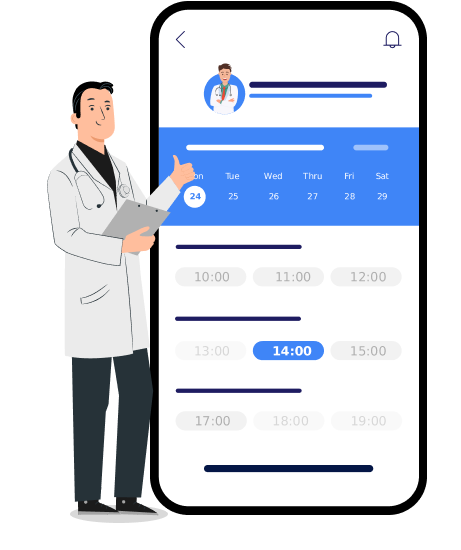
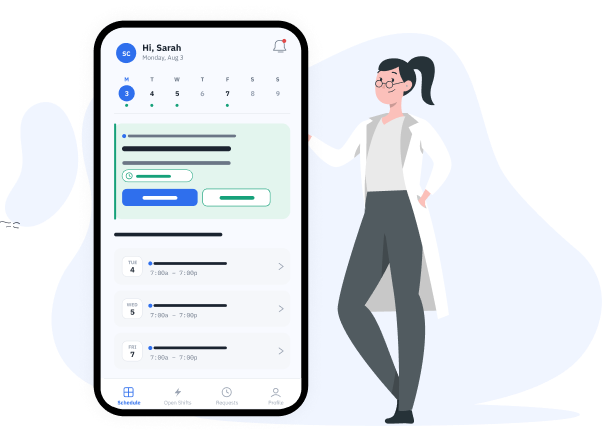
Why Healthcare Organizations Need Staff Scheduling Software
Healthcare organizations consist of individuals with varying levels of expertise, qualifications, and shift limitations. Manually scheduling may lead to delays, thus giving the managers no control over scheduling. Staff changes can also happen without warning. With a dependable scheduling system, it becomes easy for managers to control such activities from one place. It can reduce manual work and make schedule changes easier to track. It can also support fair shift distribution and timely communication.
Healthcare workforce scheduling software becomes especially valuable for hospitals and clinics that operate across several departments or locations. It gives managers clearer workforce visibility and allows staff to access schedules without relying on calls or disconnected messages.
What Problems Does Healthcare Staff Scheduling Software Solve?
Healthcare organizations must ensure that they have their shifts fully covered by trained personnel. The manual approach could be inefficient, leading to mistakes and time loss. An effective scheduling solution provides more power to management over staffing issues.
Coverage Gaps
Unexpected absences can leave critical shifts open. Hospital staff scheduling software gives managers a clear view of available workers and urgent staffing needs.
- Open shift alerts
- Qualified staff matching
- Real-time coverage updates
- Faster replacement decisions
Overtime Pressure
Manual planning can assign too many hours to the same employees. The software tracks scheduled time and warns managers before overtime increases.
- Work hour tracking
- Overtime threshold alerts
- Balanced shift allocation
- Clear approval records
Credential Conflicts
Healthcare roles often require active licenses and specific skills. The system can stop unqualified employees from receiving restricted shifts.
- Credential status checks
- Expiry date alerts
- Role-based assignment rules
- Blocked invalid bookings
Last-Minute Changes
Shift changes can create confusion when teams rely on calls or spreadsheets. A central system records each update and informs the right employees.
- Instant schedule updates
- Automated staff notifications
- Shift change history
- Manager approval controls
Uneven Workloads
Poor scheduling can place repeated night or weekend shifts on the same employees. Healthcare workforce scheduling software can apply fair distribution rules across teams.
- Weekend rotation rules
- Night shift balancing
- Preference tracking
- Workload visibility
Multi-Location Complexity
Healthcare groups often manage several departments or facilities. A shared scheduling platform gives leaders one view of staffing demand across every location.
- Location-based schedules
- Cross-facility staffing
- Department coverage views
- Central workforce control

1

2

3

4

5

6

7

8
Turn Complex Staffing Rules Into Smarter Schedules
Build a secure scheduling platform that keeps teams organized and workforce decisions clear.
How Healthcare Staff Scheduling Software Works
A scheduling platform turns workforce policies into clear digital rules. It reviews staff data before assigning shifts. This process reduces conflicts and gives managers more control over each schedule.


Staff Data Collection
The system collects employee roles, skills availability, credentials, and preferred hours. Accurate data allows the platform to match the right worker with each open shift.

Coverage Rule Setup
Managers define how many workers each department needs. They can also set rules for roles, skills, locations, and shift types before schedule creation begins.

Credential Verification
The platform checks licenses and required qualifications before confirming an assignment. It can block unsuitable matches and alert managers about expired credentials.

Shift Matching
The system compares open shifts with qualified staff. It reviews the availability, workload location, and approved leave before recommending or assigning a worker.

Conflict Detection
Healthcare staff scheduling software development must include checks for overtime, missing coverage, and overlapping shifts. Managers can resolve each issue before publishing the final schedule.

Manager Review
Automated recommendations should remain open to human review. Managers can approve changes, adjust assignments, and record reasons when they override system suggestions.

Schedule Publishing
The approved schedule becomes available to employees through web or mobile access. Staff can review shifts and receive updates when managers make changes.

Performance Monitoring
Medical staff scheduling software development should include reporting tools. These tools can track open shifts, overtime conflicts, and manager overrides after schedules go live.
Architecture and Integrations Healthcare Scheduling Software May Need
Healthcare scheduling software must connect with the systems teams already use. Strong integrations keep workforce data accurate and reduce manual work across daily operations.
Sync employee role data
Update approved leave records
Confirm active employment status
Manage staff location details
Transfer approved work hours
Track employee overtime data
Compare shifts with attendance
Reduce manual payroll entries
Verify licenses before assignments
Track credential expiry dates
Apply role-based permissions
Protect user login access
Sync provider availability data
Share approved staffing information
Connect appointment scheduling systems
Update linked healthcare platforms

Demand Forecasting
AI reviews past staffing patterns and expected patient demand. It can estimate future workforce needs and highlight departments that may require extra coverage.

Intelligent Shift Matching
AI healthcare staff scheduling software can match open shifts with qualified employees. It reviews skills availability, workload, and location before suggesting suitable workers.

Schedule Optimization
The system can balance coverage rules, staff preferences, and overtime limits. It then recommends schedules that reduce conflicts and improve workforce use.

Absence and Coverage Risk Detection
AI can identify shifts with a higher risk of becoming understaffed. Managers can prepare replacement options before a last-minute absence affects operations.

Fair Workload Distribution
AI healthcare staff scheduling software can monitor night shifts, weekends, and overtime. Managers can review the distribution and correct patterns that place repeated pressure on certain employees.

Human Review and Approval
Managers should review AI recommendations before publishing schedules. They can adjust assignment record override reasons and keep control over sensitive workforce decisions.

Staff Scheduling and Appointment AI
AI appointment scheduling software for healthcare manages patient bookings and available time slots. Staff scheduling AI focuses on employee shifts, workforce coverage, and staffing rules.

AI Performance Monitoring
AI models can lose accuracy as staffing patterns change. Regular monitoring checks recommendation quality, fairness, and override rates. Managers can update rules or retrain models when performance begins to decline.
Artificial Intelligence uses workforce data to predict demand and recommend suitable schedules. It can improve planning speed while managers retain control over final staffing decisions. Healthcare teams can explore the broader role of AI in healthcare to understand how intelligent systems support scheduling and resource planning.
Build Schedules That Work for Every Shift
Create a healthcare scheduling system that improves coverage and gives managers stronger control.
Healthcare Staff Scheduling Software Development Services
Healthcare organizations need services that match their staffing rules and existing systems. The right development approach can support daily scheduling and future product growth.

Product Discovery and Planning
Discovery turns operational needs into a clear product plan. Teams review users’ workflows, scheduling policies, and technical limits before development starts.
- Workforce workflow assessment
- User role mapping
- Product scope planning
- Technical risk review

Custom Platform Development
Healthcare staff scheduling software development creates a platform around specific workforce rules. Teqnovos can build secure solutions through its web app development services that fit daily healthcare operations.
- Custom platform architecture
- Manager portal development
- Employee interface design
- Scalable backend development

Scheduling Engine Development
Teams that build staff scheduling software for healthcare need a reliable decision engine. The engine applies staffing rules and resolves conflicts before managers publish schedules.
- Scheduling logic design
- Constraint rule configuration
- Conflict resolution workflows
- Approval process setup

Data Migration and Integration
Teams that create staff scheduling software for healthcare may need to move legacy records and connect existing systems. Careful migration protects data quality and continuity.
- Legacy data assessment
- Secure record migration
- Third-party integration
- Data validation testing

Security and Quality Testing
Testing checks performance, security, and reliability before launch. The process should cover unusual scheduling cases and unauthorized access attempts.
- Security control testing
- Workflow quality checks
- Load performance testing
- User acceptance testing

Maintenance and Scaling
Ongoing support keeps custom healthcare scheduling software stable as users and locations grow. Teams can improve performance and add new capabilities based on real usage.
- Platform health monitoring
- Feature enhancement planning
- Infrastructure scaling support
- Integration maintenance services
Security and Compliance Planning
Healthcare scheduling software stores sensitive workforce data and access records. Strong healthcare app data privacy and security planning should begin before workforce records enter the platform.
Role-Based Access
Role based access limits what each user can view or change. Managers, employees, and administrators should receive permissions that match their responsibilities.
Secure Authentication
Secure login controls protect user accounts from unauthorized access. Multi factor authentication adds another verification step before users enter the platform.
Data Encryption
Encryption protects information during storage and transfer. It reduces exposure when scheduled data moves between connected systems or authorized users.
Audit Logs
Audit logs record schedule changes, approvals, and account activity. Managers can review these records during investigations or internal compliance checks.
HIPAA Scope
The Health Insurance Portability and Accountability Act applies when the platform handles protected health information. Staff scheduling data alone may not always fall under this requirement.
Notification Privacy
Notifications should avoid exposing private employee or patient details. The platform should use neutral messages and allow users to control alert preferences.
What Affects Healthcare Scheduling Software Development Cost?
The healthcare scheduling software development cost depends on product scope and technical depth. A focused system costs less than a multi facility platform with advanced automation and complex data requirements. Teams should compare the pros and cons of custom healthcare app development before finalizing the product scope and budget.

Product Scope and Platforms
A basic web platform suits smaller teams with standard scheduling needs. Larger healthcare groups may need mobile access and multi facility controls, which increase design and development effort.
- Number of user roles
- Web and mobile platforms
- Facility management scope
- Workflow complexity level

AI and Scheduling Logic
Rule based scheduling suits predictable workforce policies. Advanced Artificial Intelligence features require stronger data models and testing, which can increase the healthcare scheduling software development cost.
- Demand forecasting models
- Intelligent shift matching
- Fairness rule testing
- Human review controls

Data and Deployment Needs
Small projects may use clean employee records and cloud hosting. Complex projects may require legacy data migration and private deployment, which demand more planning and validation.
- Data migration volume
- Legacy record quality
- Cloud hosting setup
- Private deployment needs

Testing and Long Term Support
A simple pilot needs focused workflow testing. Large healthcare platforms require deeper security and performance testing, plus ongoing support after launch.
- User acceptance testing
- Performance testing depth
- Maintenance support level
- Future scaling plans
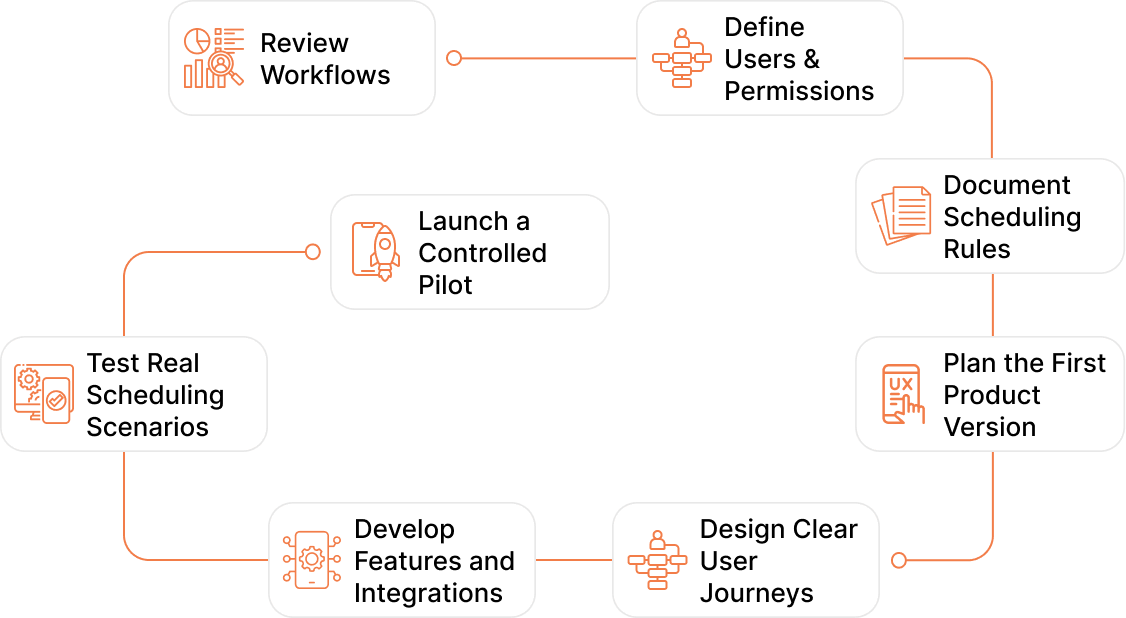
Review Current Scheduling Workflows
Teams should study how managers create shifts and handle absences. This review reveals delays and manual tasks that the new system must address.
Define Users and Permissions
The platform may serve managers, employees, administrators, and staffing partners. Each user needs clear access rights based on daily responsibilities and data needs.
Document Scheduling Rules
Teams must record coverage limits, credential needs, rest periods, and approval steps. These rules guide the scheduling engine and reduce unclear development decisions.
Plan the First Product Version
Teams that build staff scheduling software for healthcare should begin with essential features. A focused first version reduces complexity and supports faster user testing.
Design Clear User Journeys
Managers need simple tools for shift creation and approvals. Employees need easy access to schedule availability settings and shift change requests.
Develop Features and Integrations
Teams that create staff scheduling software for healthcare must connect workforce features with payroll, attendance, and employee data systems.
Test Real Scheduling Scenarios
Medical staff scheduling software development requires testing for absences, overtime credential expiry, and overlapping shifts. Real scenarios reveal issues before the system reaches wider teams.
Launch a Controlled Pilot
Teams can build staff scheduling software for healthcare within one department first. Feedback from managers and employees can guide improvements before a larger rollout.
Common Mistakes in Healthcare Staff Scheduling Software Development
Small planning mistakes can weaken scheduling accuracy and reduce staff trust. Clear policies, reliable data, human oversight, and controlled testing can prevent many issues before the platform reaches wider teams.

Unclear Scheduling Policies
Shift allocation rules remain poorly defined
Approval workflows vary across departments
Overtime limits lack clear controls
Staff eligibility criteria remain inconsistent

Poor Workforce Data Quality
Employee records contain outdated information
Credential details remain incomplete or missing
Duplicate profiles create scheduling conflicts
Availability data does not stay current

Excessive Automation
Managers cannot review important decisions
Override controls remain difficult to use
AI recommendations lack clear explanations
Fairness checks remain weak or absent

Weak Pilot Planning
Teams skip a controlled department launch
Staff receive limited platform training
User feedback is not collected
Performance results remain poorly tracked
What makes Teqnovos different
Scalable Digital Solutions To Power Business Growth
Business success is our benchmark. At Teqnovos, we design and develop custom mobile applications that solve real operational challenges. Our solutions enhance customer experiences and support long-term scalability. By aligning technology with your workflows and market needs, we ensure every solution delivers lasting value.
About Teqnovos
Teqnovos’ team provides custom mobile app solutions to gain a competitive advantage in a growing market. Digital readiness helps businesses build loyalty and scale sustainably. Businesses are moving toward digital experiences that support convenience and speed. Mobile app development plays a key role in meeting these expectations. A well-planned app helps improve customer engagement and repeat purchases. It also gives businesses better control over branding, operations, and data. Book a free consultation with us to become a powerful growth channel in the market.

Frequently Asked Questions
Healthcare employee scheduling software manages shifts and workforce availability across healthcare facilities. It matches qualified employees with open shifts. It can also track leave requests and credentials. Managers can review conflicts before publishing the schedule.
Hospital staff scheduling software should include automated shift planning and availability tracking. It should also support credential checks and shift swaps. Overtime alerts and mobile access are also important. Reporting tools give managers better workforce visibility.
Appointment scheduling software development for healthcare focuses on patient bookings and provider time slots. Staff scheduling focuses on employee shifts and workforce coverage. Both systems may share provider availability data. However their users and operational goals remain different.
AI appointment scheduling software for healthcare predicts suitable booking times and reduces appointment conflicts. AI healthcare staff scheduling software predicts workforce demand and recommends qualified employees for shifts. Managers should review important staffing recommendations before publishing schedules.
The timeline depends on scope and scheduling complexity. Teams that build staff scheduling software for healthcare may launch a focused first version before adding advanced capabilities. Integrations and Artificial Intelligence can extend the development timeline.
The Health Insurance Portability and Accountability Act applies when the platform handles protected health information. Staff schedule data alone may not always trigger this requirement. The organization must review every data source and integration before development.
Yes. Medical staff scheduling software development can include payroll and attendance connections. It may also connect with an Electronic Health Record when patient demand or provider data affects workforce planning. Secure data access must remain a priority.
Ready made software suits standard scheduling workflows. Custom healthcare scheduling software suits organizations with complex rules and several locations. Teams may also create staff scheduling software for healthcare when existing platforms cannot support required integrations or approval processes.